
Nuclear Power Is It Renewable Or Nonrenewable

Hey there, energy enthusiasts! Ever find yourself pondering the big questions of the universe? Like, is pineapple on pizza a crime? (Okay, maybe not that big.) But what about nuclear power? Is it renewable or nonrenewable? Let's dive in and untangle this atomic enigma!
So, picture this: you're at a party, and someone asks you, "Hey, what's the deal with nuclear energy? Renewable or nah?" You don't want to be caught speechless, right? Don't worry, I've got your back.
Nonrenewable Vibes, Mostly
Technically, nuclear power falls into the nonrenewable category. Why? It all boils down to the fuel source: uranium. Uranium is a finite resource, meaning there's only a limited amount of it on Earth. We dig it up from the ground, process it, and then use it to create energy in nuclear reactors. Once we've used it all up (or more accurately, once it becomes too inefficient to use), that's it! No more uranium…at least, not until geological processes cook up some more over, oh, a few million years. So maybe not super practical for our next power bill.
Must Read
Think of it like your favorite brand of cookies. Once you've eaten all the cookies in the box, you can't magically create more without going back to the store (or baking them yourself, which is a whole other energy-intensive process!). Same with uranium – eventually, the "cookie box" will be empty.
The Renewable-ish Twist: Breeder Reactors
Now, here's where things get a little…nuclear. (Pun intended! Sorry, I couldn't resist.) There's this cool technology called a breeder reactor. Basically, it's a type of nuclear reactor that can produce more nuclear fuel than it consumes! It does this by converting non-fissile isotopes (like uranium-238 or thorium) into fissile materials (like plutonium-239). It's like having a cookie oven that magically multiplies your cookie supply... except instead of cookies, it's potentially dangerous nuclear fuel.
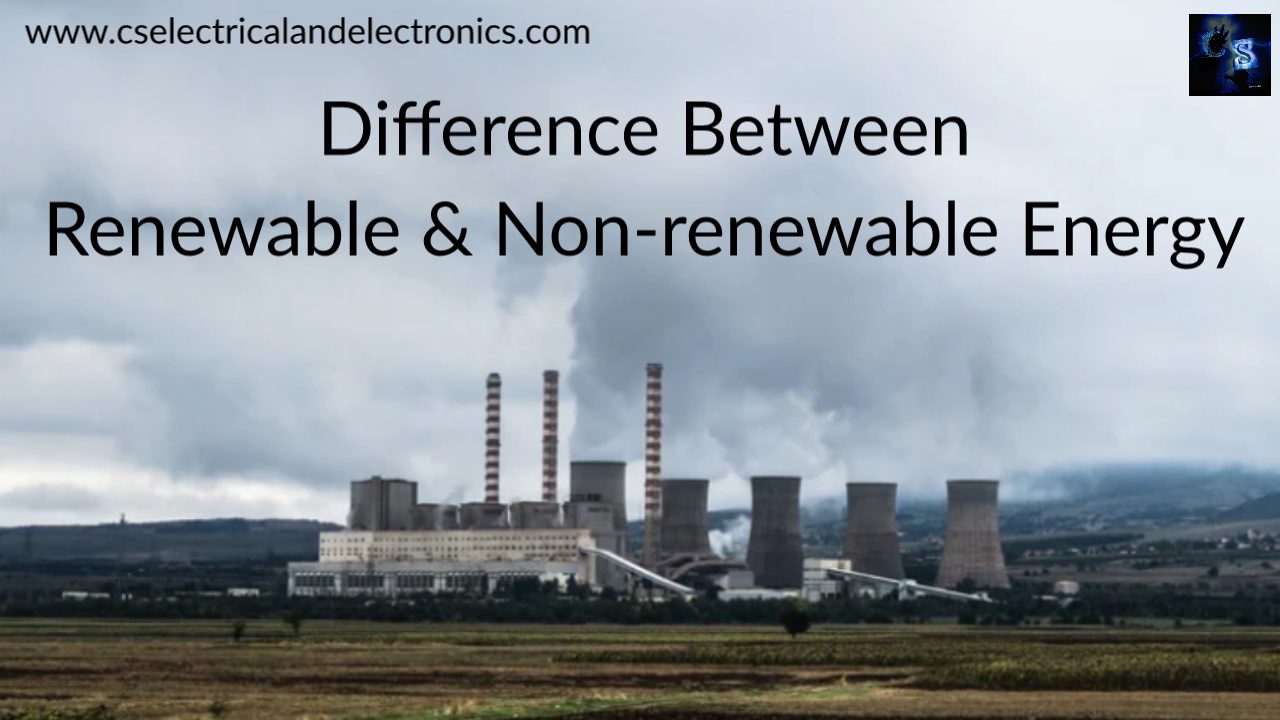
Think of it like this: you start with a small amount of uranium, and the reactor "breeds" more fuel from otherwise unusable materials. This effectively extends the lifespan of our nuclear fuel resources. Sounds pretty awesome, right?
However, breeder reactors are still under development and aren't widely used due to concerns about safety, cost, and the potential for nuclear proliferation. (Plutonium can also be used to make weapons, which isn't exactly ideal.) So, while they offer a glimpse of a potentially more sustainable nuclear future, they're not quite ready for prime time.
![Is Nuclear Energy Renewable? [Our EASY In-Depth Guide]](https://greenbuildingelements.com/wp-content/uploads/2021/03/BFP_IsNuclearEnergyRenewable.jpg)
The Sustainability Factor
Even though nuclear power isn't technically renewable, it's often touted as a sustainable energy source. Why? Because it doesn't produce greenhouse gas emissions during electricity generation. That means no smog, no carbon dioxide contributing to climate change – pretty sweet!
Compared to burning fossil fuels like coal and natural gas, nuclear power is a much cleaner option. It helps us reduce our carbon footprint and combat global warming. So, while the fuel itself isn't renewable, the benefits in terms of climate change mitigation are significant. It's like choosing to walk to the grocery store instead of driving – you might still need groceries (the non-renewable fuel), but you're doing it in a more eco-friendly way!
Waste Not, Want Not (Maybe?)
Of course, no discussion of nuclear power is complete without mentioning nuclear waste. The used fuel from nuclear reactors remains radioactive for thousands of years, which presents a major disposal challenge. Storing this waste safely and securely is crucial to prevent environmental contamination.
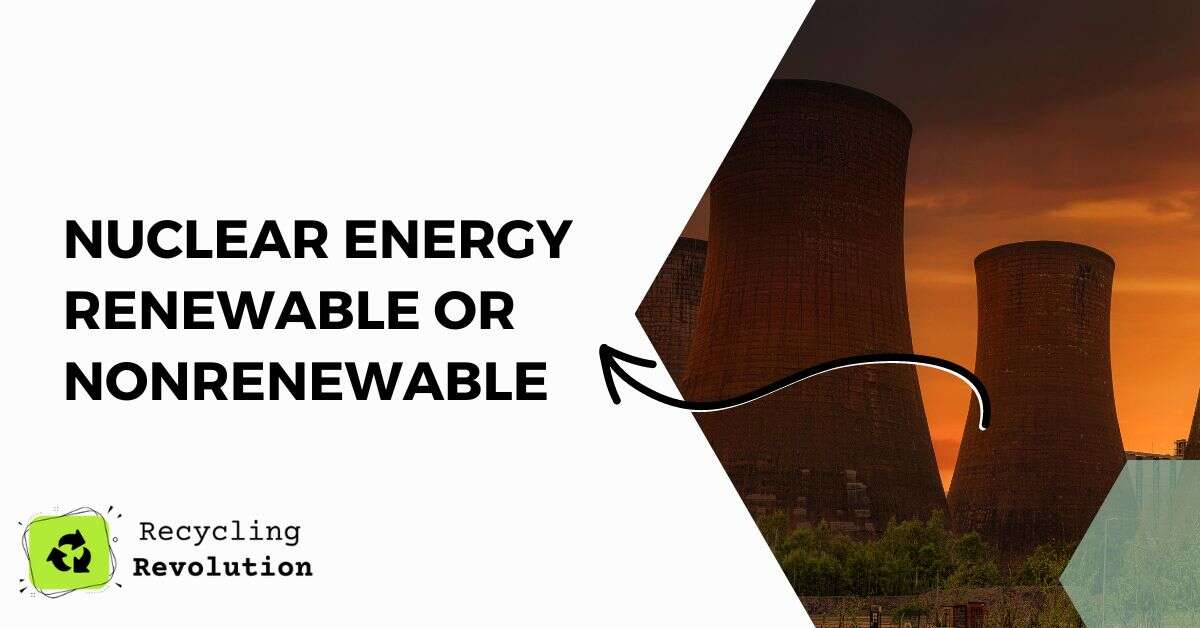
Scientists are working on ways to reprocess nuclear waste to extract valuable materials and reduce its volume and radioactivity. If we can successfully develop and implement these technologies, it could significantly improve the sustainability of nuclear power.
The Final Verdict
So, to recap: nuclear power is technically nonrenewable because it relies on a finite fuel source (uranium). However, breeder reactors offer a potential pathway towards a more sustainable nuclear future. And despite the waste issue, nuclear power is a low-carbon energy source that can help us combat climate change.
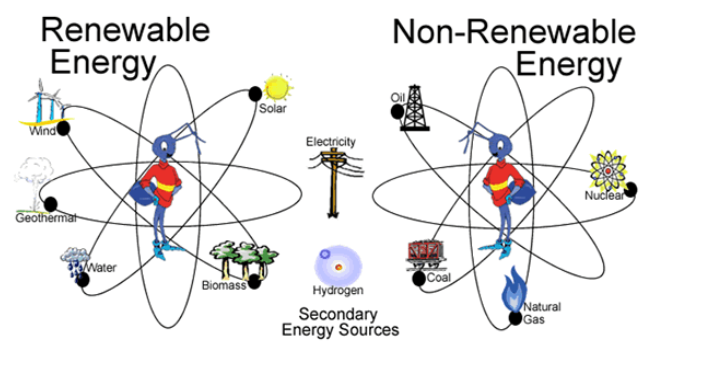
Ultimately, the question of whether nuclear power is "good" or "bad" is a complex one with no easy answer. It involves weighing the benefits of clean energy against the risks of nuclear accidents and waste disposal. But hey, that's what makes things interesting, right?
So, next time you're at that party and someone asks you about nuclear power, you can confidently explain the nuances of renewable vs. nonrenewable. You'll be the smartest person in the room! (And if they ask about pineapple on pizza, just politely change the subject.)
Keep exploring, keep questioning, and remember that even complex topics like nuclear energy can be understood with a little bit of curiosity and a dash of humor!