Non-renewable Energy Source Created By Earths Pressure

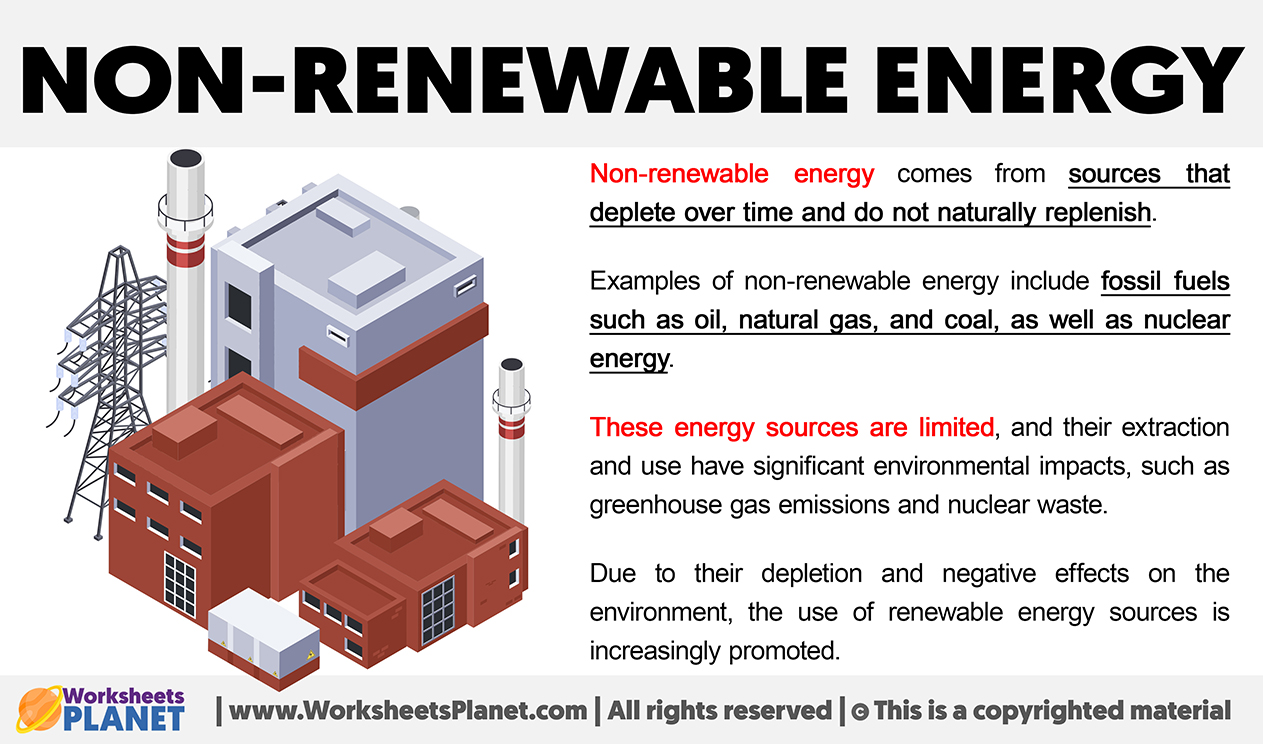
Isn't it amazing to think about the sheer power simmering beneath our feet? We often hear about renewable energy sources like solar and wind, but today, let's dive into a fascinating non-renewable resource formed by the Earth's incredible pressure: fossil fuels! This isn't just dry science; understanding where our energy comes from and how it impacts the planet is crucial for everyone.
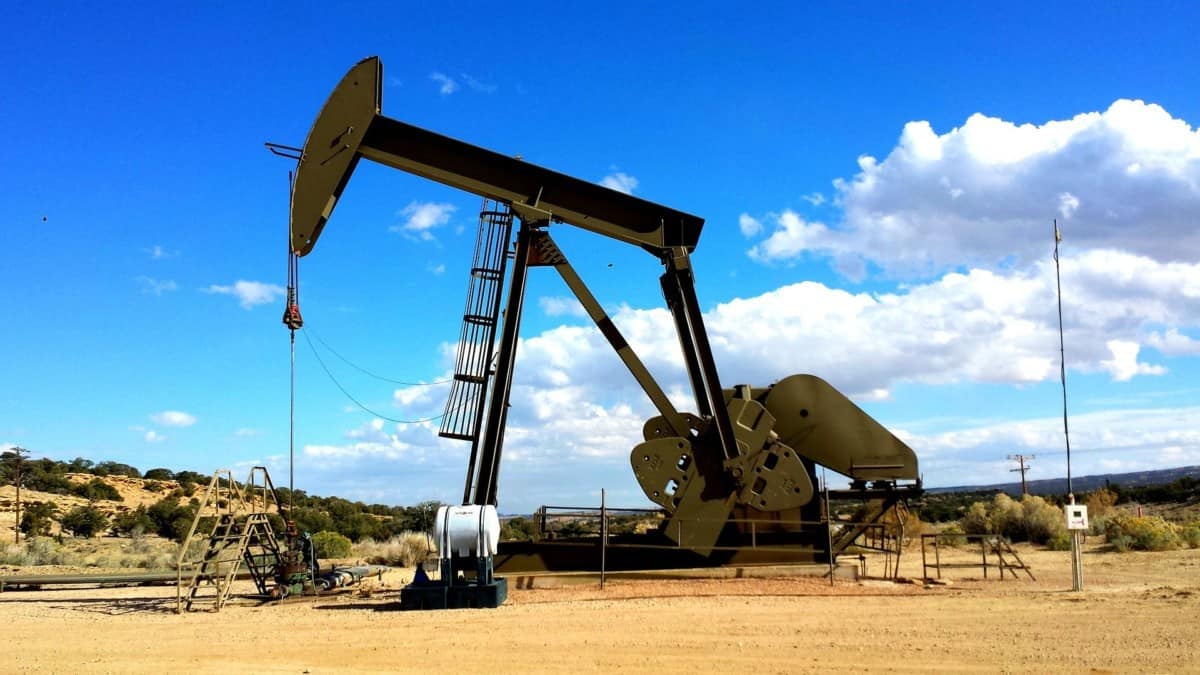
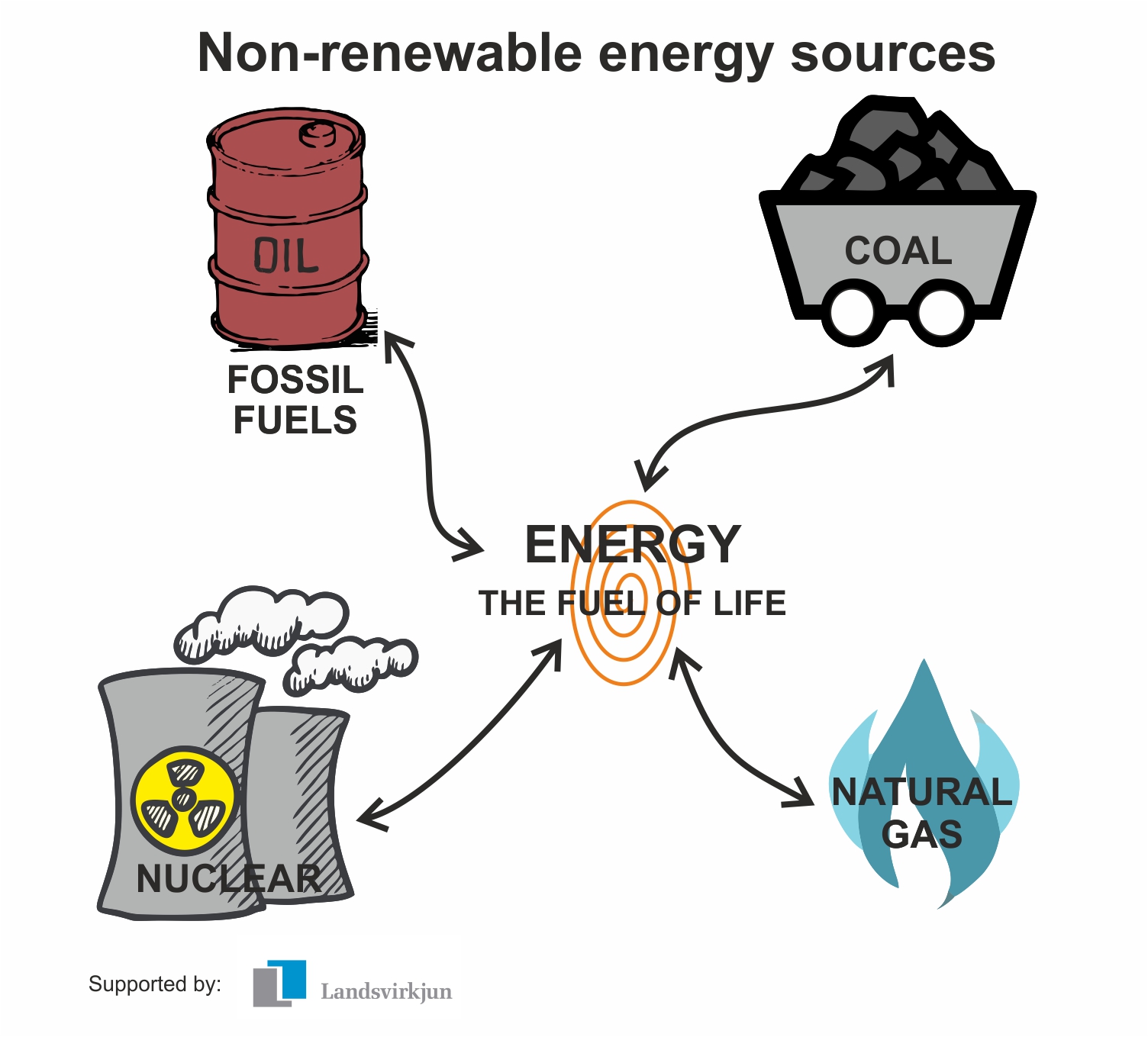
For beginners, think of fossil fuels like ancient sunlight trapped in the Earth. Over millions of years, the remains of plants and animals, subjected to immense pressure and heat, transformed into coal, oil, and natural gas. These are essentially stored forms of energy. The purpose of extracting them is to provide us with power for electricity, transportation, heating, and manufacturing. For families, this means understanding where the energy powering your lights, car, and gadgets comes from. Talking about this can spark conversations about energy conservation and responsible consumption. And for hobbyists, especially those interested in engineering or environmental science, understanding the geological processes behind fossil fuel formation can be a seriously cool deep dive. You can explore different geological formations and even learn about the various methods used to extract these resources.
Let's look at some examples. Coal, formed from ancient plant matter, is used primarily for generating electricity. Oil, derived from marine organisms, is refined into gasoline, diesel, and other fuels that power our vehicles and machinery. And natural gas, often found alongside oil deposits, is used for heating homes and businesses, as well as generating electricity. There are variations within each category too! Different types of coal have varying carbon content, impacting their energy output. Crude oil varies in its composition, affecting the refining process. Natural gas can be "dry" (mostly methane) or "wet" (containing other hydrocarbons).
Must Read
So, how can you get started learning more? First, explore reputable websites like the U.S. Energy Information Administration (EIA). They offer tons of information in a digestible format. Second, watch documentaries about the oil and gas industry or coal mining. This gives you a visual understanding of the scale and complexity involved. Third, read articles from scientific journals or magazines aimed at a general audience. Don’t be afraid to ask questions! Understanding the jargon takes time, but persistence pays off. You can even visit a local museum with geological exhibits to see actual samples of coal, oil shale, and other related materials. Lastly, consider joining a local environmental group or attending a public forum on energy policy to learn about the debates surrounding fossil fuels and their future.
Learning about non-renewable energy sources, especially those created by the Earth's pressure, is not only informative but also empowering. It allows us to make informed decisions about our energy consumption and understand the complex challenges facing our planet. So, dive in, explore, and enjoy the journey of discovery!