
Non Renewable Energy Advantages And Disadvantages
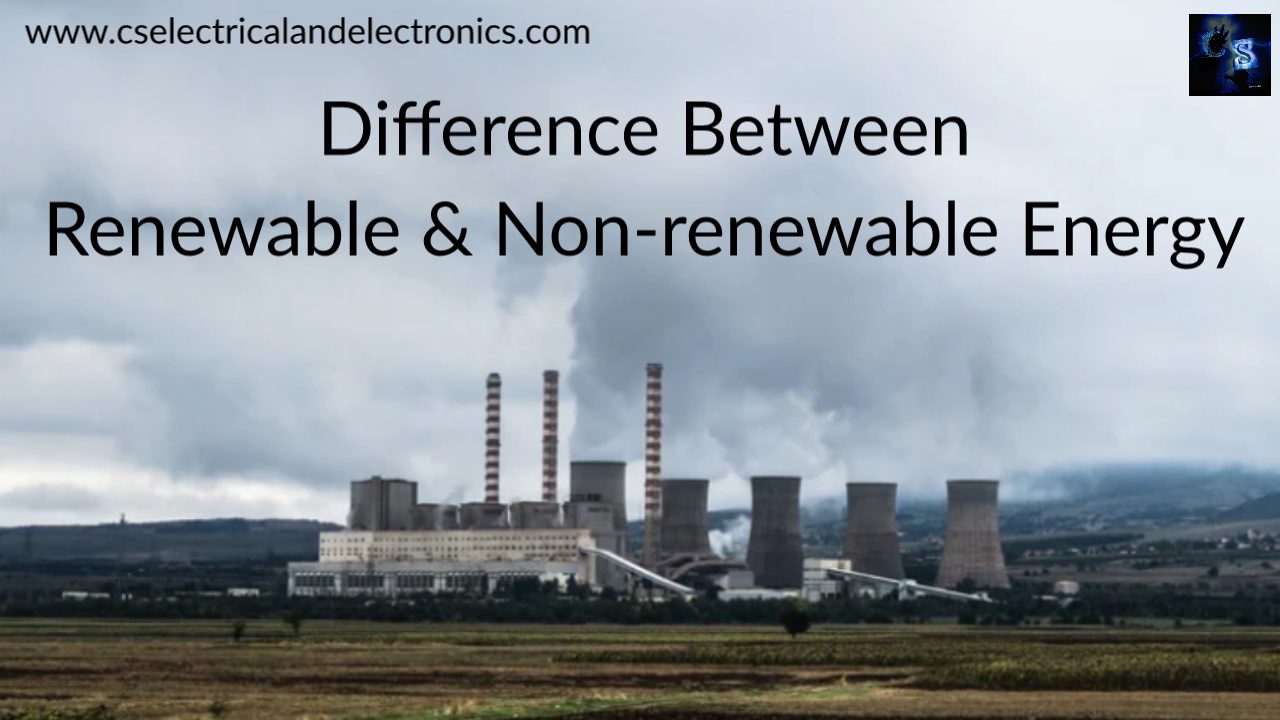
Hey everyone! Ever stopped to think about where the electricity powering your phone, or the gas heating your home, actually comes from? We're talking about energy, and specifically, the stuff that's been fueling our world for, well, quite a while now: non-renewable energy.
Now, before you switch off thinking, "Ugh, school stuff!", stick with me. It's actually pretty interesting. We're gonna dive into the pros and cons of these energy sources – the good, the bad, and the downright fascinating.
So, What Are We Even Talking About?
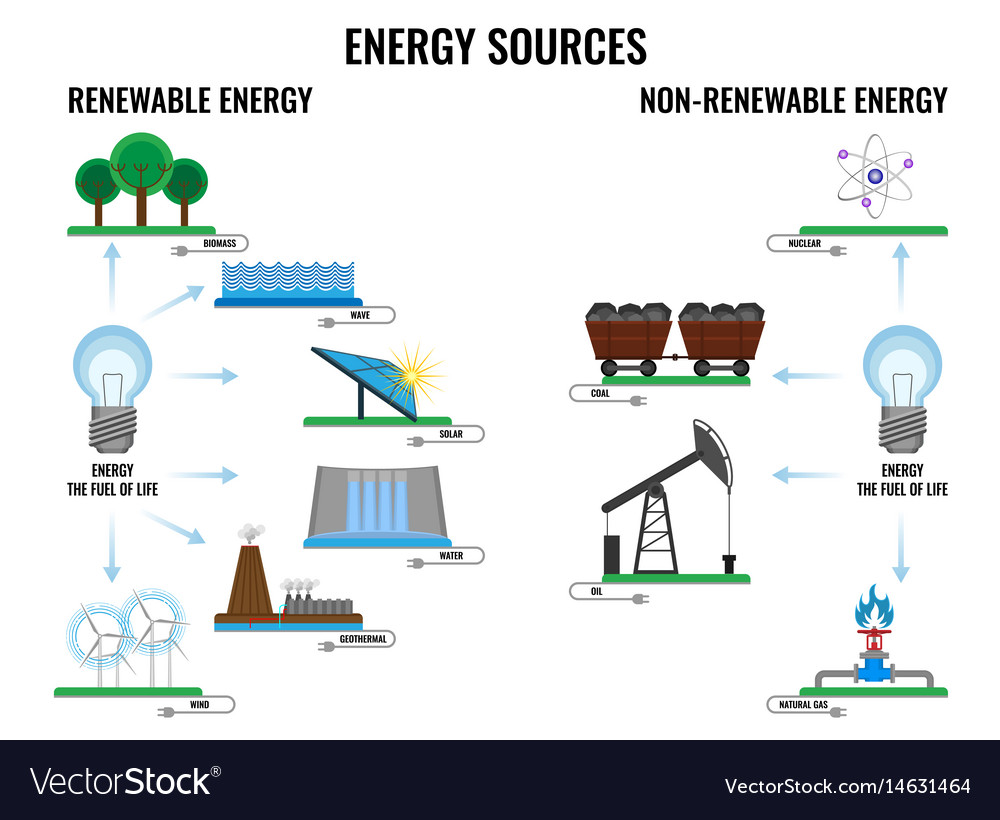
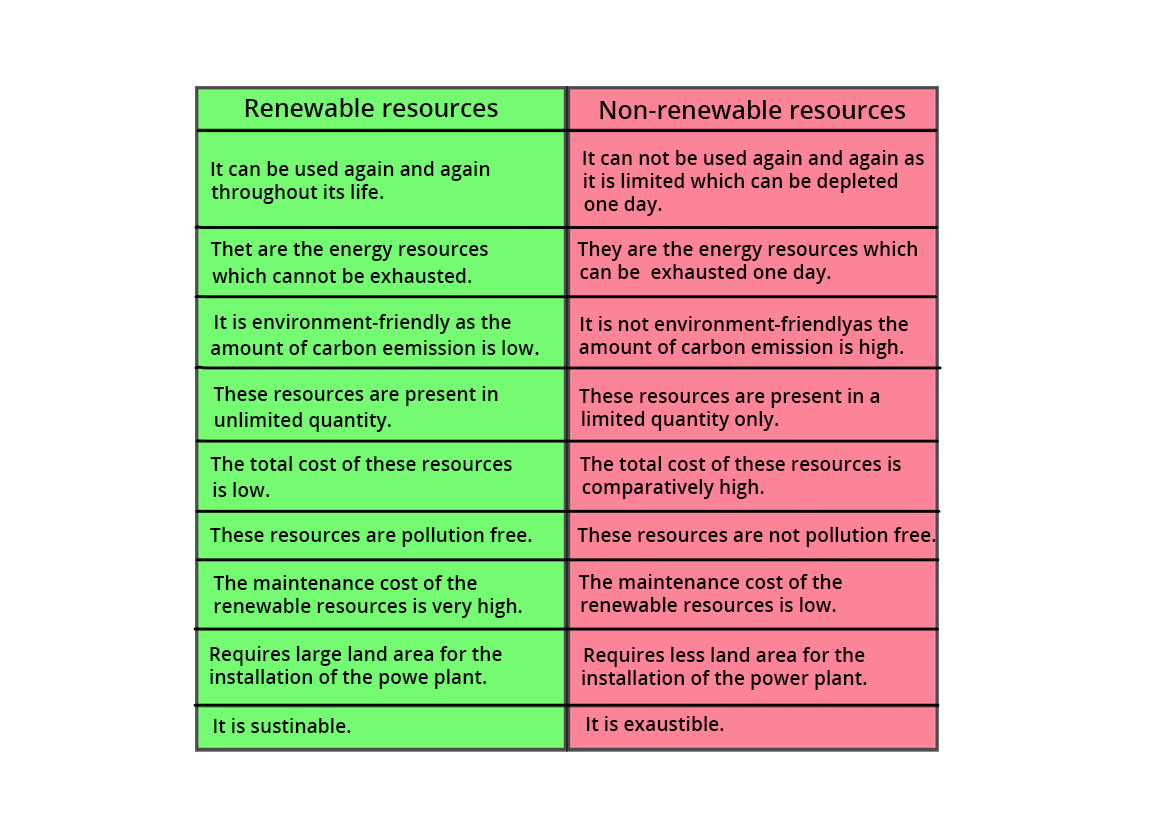
Non-renewable energy sources are essentially finite resources. Think of them like that limited-edition vinyl record you managed to snag. Once they're gone, they're gone (at least in any timeframe that matters to us humans!). The main players here are fossil fuels: coal, oil (petroleum), and natural gas. Nuclear energy, which relies on uranium, also falls into this category.
Must Read
The Perks: Why We've Been Hooked for So Long
Okay, let's be real: there's a reason we've relied on these bad boys for so long. Here's the inside scoop on their advantages:
Energy Density: These fuels pack a serious punch! Imagine comparing a tiny grape (solar energy) to a massive watermelon (coal). Which one's going to give you more juice, faster? Fossil fuels release a lot of energy when burned, making them super efficient.
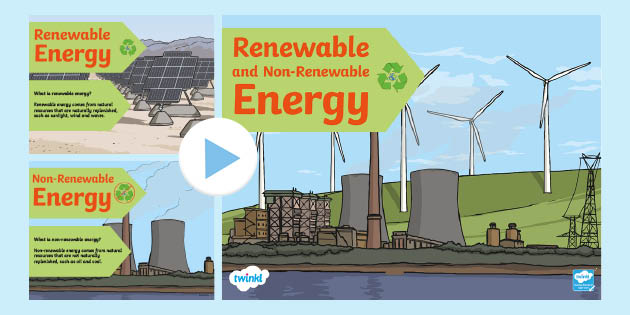
Established Infrastructure: We've been using these fuels for, like, over a century. That means we've built power plants, pipelines, and refineries. Changing to something totally different is like trying to run a marathon in flip-flops – possible, but definitely not ideal at first.
Reliability: Solar panels need sunshine, wind turbines need wind...you get the picture. Fossil fuel power plants can operate 24/7, rain or shine. This reliability is a major selling point, especially when we're talking about keeping the lights on in hospitals or powering factories.
Cost: Historically, non-renewable energy has been relatively cheap (though that's changing!). This has made them attractive for both consumers and industries. Think of it like choosing between that fancy artisan bread (renewable energy) and the classic sliced loaf (fossil fuels) – sometimes you just gotta go with what your wallet allows!
The Downside: Why We Need to Rethink Things
Alright, time for the not-so-fun part. Non-renewable energy sources come with some serious baggage. It's like that delicious cake that gives you a massive sugar crash later.
Environmental Impact: This is the big one. Burning fossil fuels releases greenhouse gases, which contribute to climate change. We're talking rising sea levels, extreme weather events, and all sorts of other problems. Think of it as a giant global warming blanket being draped over the planet.
Pollution: Besides greenhouse gases, burning fossil fuels also releases other pollutants that can cause respiratory problems and other health issues. It's like breathing in second-hand smoke, but on a massive scale.
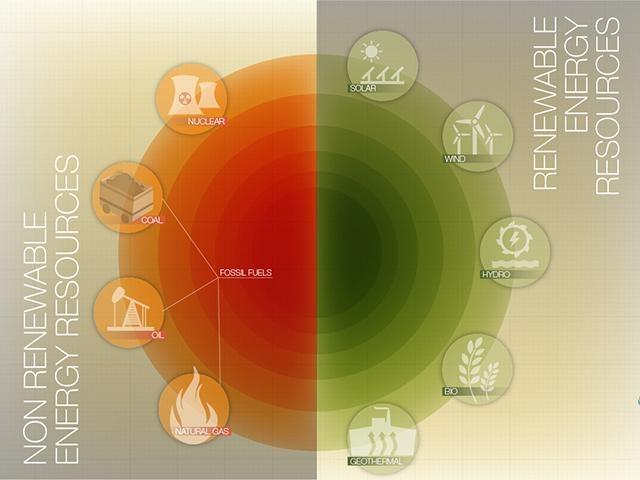
Resource Depletion: Remember that limited-edition vinyl? Well, fossil fuels are finite resources. We're using them up faster than they can be naturally replenished (which takes millions of years!). It's like eating all the cookies in the jar without baking more.
Geopolitical Issues: Control over fossil fuel reserves can lead to political instability and conflicts. Think of it as a global tug-of-war over a shrinking pie.
Nuclear Energy: The Odd One Out
Nuclear energy doesn't burn fossil fuels, so it doesn't directly contribute to greenhouse gas emissions. That's a huge plus! However, it produces radioactive waste, which needs to be stored safely for thousands of years. Plus, there's the risk of accidents, like Chernobyl or Fukushima. It’s kinda like a superhero: powerful and potentially life-saving, but also comes with some serious risks.
So, What's the Future Look Like?
The reality is, we can't just ditch non-renewable energy sources overnight. But, we can and are working on transitioning to cleaner, more sustainable alternatives. Think of it as slowly swapping out ingredients in your favorite recipe to make it healthier.
Renewable energy sources like solar, wind, and hydro are becoming more affordable and efficient all the time. Plus, there's a ton of research and development happening in areas like energy storage (think better batteries!) and carbon capture technologies. The future is certainly looking greener, and that's something to be excited about!
Ultimately, understanding the advantages and disadvantages of non-renewable energy is crucial for making informed decisions about our energy future. It's not just about flipping a switch – it's about shaping the world we live in.