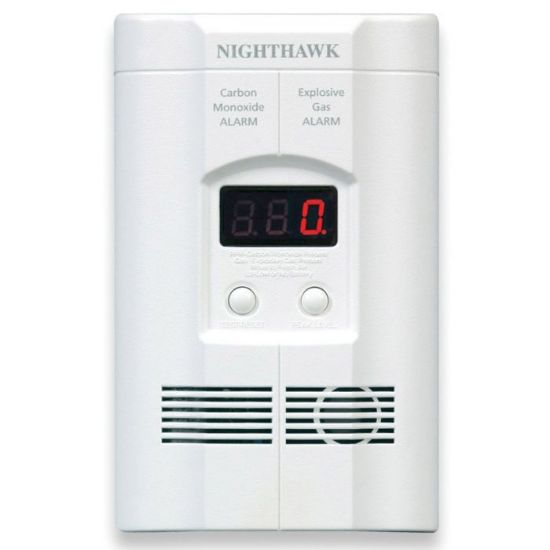
Nighthawk Carbon Monoxide Detector Beeping
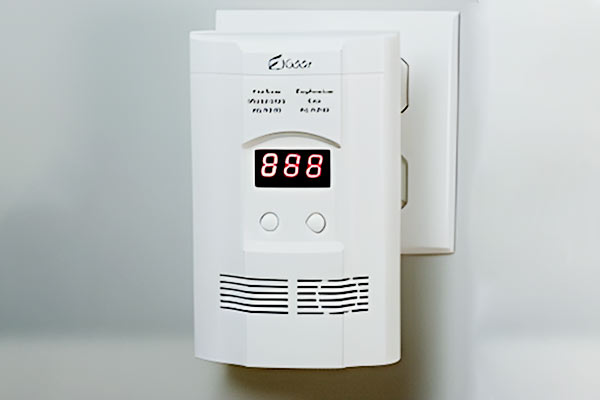
So, picture this: you're just chilling, maybe binging your favorite show, scrolling through endless TikToks, when suddenly – BEEP! Not a gentle little "ding," but a shrill, insistent, "HEY! PAY ATTENTION TO ME!" kind of beep. And it's your Nighthawk Carbon Monoxide detector. Ugh. Total buzzkill, right?
Your heart might do a tiny little flutter, maybe even a full-on leap if you're prone to dramatics (like me, honestly). Is it a fire? Is it a gas leak? Is the apocalypse finally here, announced by a tiny plastic box on your ceiling? Before you go full-on emergency mode and start evacuating the cat (though, good on you for being prepared!), let's take a deep breath. Because most of the time, when your Nighthawk starts its little song-and-dance, it's not actually screaming "LETHAL GAS!"
The Annoying Chirp: Probably Not an Emergency (But Listen Up!)
More often than not, if you're hearing a sporadic, single, piercing chirp every 30 seconds or so, your Nighthawk isn't signaling an immediate, life-threatening CO leak. Nope, it's usually something a lot more mundane, and frankly, a lot more annoying. Like a toddler demanding attention, but without the cute factor.
Must Read
The number one culprit? You guessed it: batteries. Yeah, those little guys that power your life, your remote controls, and apparently, your CO detector's emotional well-being. They start to dwindle, and your detector, being the drama queen it is, decides to announce its imminent energy crisis to the whole neighborhood with a periodic chirp. Annoying? Absolutely. Life-threatening? Probably not. But still, time for new batteries, pronto!
Or, plot twist, your detector might just be telling you it's seen better days. Carbon monoxide detectors, bless their little hearts, don't last forever. They usually have a lifespan of about five to seven years. Think of it like a gallon of milk; it has an expiry date. So, if your Nighthawk is older than your last phone (or, gasp, your last relationship!), it might just be politely (or not so politely) telling you it's time for retirement. This is often indicated by an "END" message on the display, or just a persistent chirp that won't quit, even after new batteries. Check the back for a "replace by" date. Seriously, it's usually right there, bold as brass.
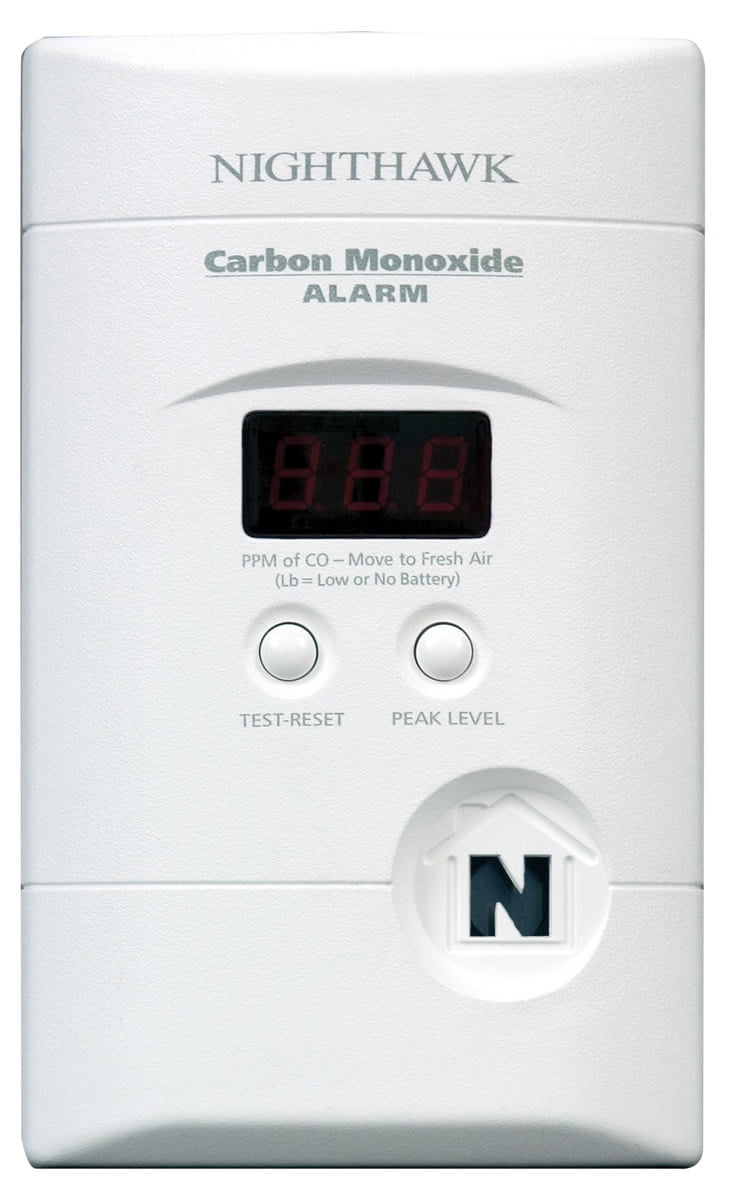
Sometimes, less common but still possible, it could be a dusty sensor or even just a temporary glitch. These devices are sensitive, you know? A little dust bunny can sometimes make them throw a fit.
The Real Alarm: THIS Is When You Act Fast!
But, hold up. What if it's not a chirp? What if it's a persistent, LOUD, piercing, "GET OUT NOW!" kind of alarm? Like, four short beeps every five seconds? That, my friend, is a whole different ballgame. That means you need to take it seriously. Like, super seriously. The Nighthawk is designed to scream at you for a reason when it detects dangerous levels of CO.

If you hear that, don't second-guess it. Don't grab your phone for a quick Google search. Just act. Get everyone (and yes, the cat too, we love the cat) out of the house. Immediately. Open windows and doors on your way out if you can safely do so, but don't delay your exit. And then, from a safe distance, call 911 or your local emergency services. Let the pros handle it. They have the equipment to check for CO levels properly and keep everyone safe. You've done your part by getting out.
Troubleshooting the Chirp: Your Game Plan
Okay, so let's circle back to the more common, less terrifying scenario: the annoying chirp. Here's your casual, friend-to-friend game plan to silence that little diva:
- Check the display: Many Nighthawks will actually tell you why they're chirping. Look for "LO BATT" (low battery, duh!), "END" (end of life), or sometimes an error code. Super helpful, honestly.
- New batteries: Seriously, this solves like 90% of all CO detector "emergencies." Make sure they're fresh. Got spares in the junk drawer? Now's their time to shine.
- Dust it off: Sometimes a little dust bunny can mess with the sensor. Give it a gentle wipe or a quick vacuum around the vents. Think of it as giving your detector a spa day.
- Check the date: Look for that "replace by" date on the back or side. If it's expired, it's time for a new one. No debate, no trying to extend its life. Safety first, always!
So there you have it. Your Nighthawk CO detector is probably just being a bit of a diva, giving you a gentle nudge about its needs. But hey, better a diva than totally silent when it really matters, right? A little chirp can be a pain, but it's also a valuable reminder that this silent guardian is still on duty, keeping you and your loved ones safe. Now, go grab those batteries, or maybe even a brand-new detector, and let's get back to that show. Coffee's getting cold!