
Nickel Cast Iron Welding Rods
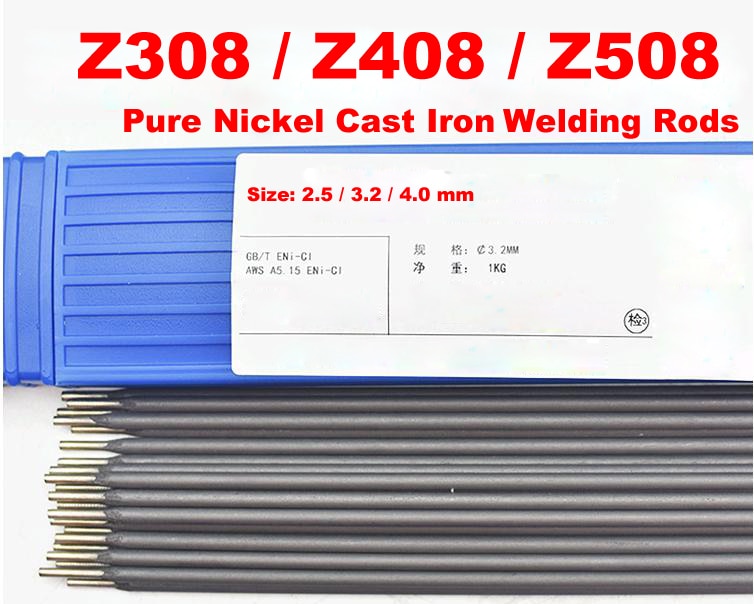
Alright, settle in, grab your metaphorical cup of joe, because we're about to dive into a topic that, on the surface, sounds about as thrilling as watching paint dry: welding rods. Specifically, the unsung heroes known as Nickel Cast Iron Welding Rods. Now, don't yawn just yet! This isn't your grandpappy's metallurgy lesson. This is the wild, wacky, and surprisingly dramatic tale of how a little stick of metal saves the day, time and time again.
Ever stared at a broken cast iron skillet? A vintage engine block? Maybe an antique radiator that’s sprung a leak and now looks less like a heating appliance and more like a sad, weeping monument to bygone eras? You know that feeling. That gut-wrenching realization that you’re dealing with cast iron. And if you’ve ever tried to weld cast iron, you know it’s about as cooperative as a grumpy cat in a bathtub.
The Grumpy Old Man of Metals: Cast Iron
Cast iron is, let's just say, temperamental. It's brittle. It's full of carbon, which makes it about as easy to bond with as trying to convince a teenager that chores are fun. When you try to weld regular steel to cast iron, it's like two completely different personality types clashing at a family dinner. One wants to expand and contract freely, the other wants to stay rigid, crack, and generally make your life miserable. It gets angry, it gets stressed, and before you know it, you've got a new crack right next to your old one. It's the equivalent of fixing a hole in your sock by ripping a new one.
Must Read
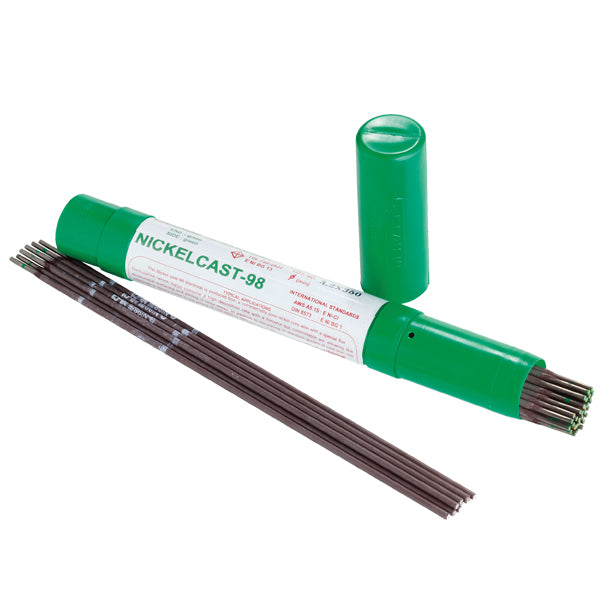
This is where our hero, the Nickel Cast Iron Welding Rod, dramatically enters the scene. Imagine a small, unassuming stick. It doesn't look like much, perhaps a bit like a glorified sparkler. But within that humble exterior lies the power to mend the un-mendable, to unite the un-unitable, and to make that grumpy old cast iron play nice.
Enter the Superhero: Nickel!
So, what's the big secret? It’s all in the nickel, baby! These rods are often made of a high-nickel alloy, sometimes up to 99% pure nickel, or a nickel-iron blend. Why nickel? Because nickel is the ultimate diplomat. It's flexible. It's ductile. It’s got a lower melting point and a lower thermal expansion rate than cast iron, which is a big deal when you're dealing with a metal that actively tries to rip itself apart when heated and cooled.

Think of it like this: cast iron is stiff, rigid, and prone to snapping when stressed. Nickel, on the other hand, is like that super chill friend who can bend, twist, and adapt to any situation without breaking a sweat. When you introduce molten nickel into a crack in cast iron, the nickel spreads out, gently "wetting" the cast iron surfaces. As it cools, the nickel solidifies, creating a strong, yet surprisingly ductile weld. This means the weld can absorb some of the stress that would normally cause cast iron to crack. It's like giving your grumpy old metal a tiny, flexible shock absorber.
The nickel also doesn't try to force the carbon in the cast iron to do anything it doesn't want to do, which is usually to form brittle carbide structures. Instead, it forms a kind of metallic handshake that even the grumpiest cast iron can appreciate.
The Delicate Dance: Welding with Nickel Rods
Now, while these rods are brilliant, welding cast iron isn’t a smash-and-grab operation. It’s more like a delicate ballet. You often need to pre-heat the cast iron slowly, coaxing it into a relaxed state, like giving it a warm bath before surgery. Then you lay down your bead with the nickel rod, often in short, controlled passes. Each pass is a small victory.
And here's a fun trick: some welders will even peen the weld after each pass. "Peening," you ask? It sounds like something a bird does, but it actually involves lightly tapping the weld with a hammer. This isn’t to punish it; it’s to relieve stress in the cooling metal and help it stretch a little, preventing those dreaded cracks. It’s like a gentle massage for your stressed-out metal, telling it, "It's okay, little weld, just relax."

Finally, and perhaps most importantly, you cool it down slowly. Wrap it in a thermal blanket, bury it in sand, tell it a lullaby – anything to prevent it from cooling too quickly and building up internal stresses that lead to, you guessed it, more cracks. It’s a patient process, but the results are often worth the extra effort.
The Unsung Hero's Legacy
So, the next time you see a miraculously repaired cast iron engine part, a sturdy antique stove, or a fence post that’s seen better days but is still holding strong, give a silent nod of appreciation. Chances are, a humble Nickel Cast Iron Welding Rod was the quiet, flexible hero that saved the day. It's proof that sometimes, the most unassuming tools hold the most powerful solutions. And who knew a little stick of nickel could be so utterly fascinating? Definitely not me, until now!
