New Battery And Alternator Battery Light Still On

That sinking feeling. You've just replaced your car battery and maybe even the alternator. You turn the key, the engine roars to life, but there it is, mocking you from the dashboard: that little battery light. It's like a persistent digital gremlin, reminding you that something, somewhere, isn't quite right. It’s incredibly frustrating because logic dictates that with new components, the problem should be solved. But fear not, fellow motorist, this seemingly impossible scenario isn't always a sign of impending automotive doom! Let's explore why a new battery and alternator might still leave that dreaded light illuminated.
Understanding the potential causes can benefit anyone, from the weekend mechanic tinkering in their garage to the everyday driver who simply wants to avoid being stranded. Even if you're not mechanically inclined, knowing the possibilities allows you to communicate more effectively with your mechanic, saving you time and potentially money. Think of it as automotive empowerment! Knowing the common culprits makes you a more informed and proactive car owner.
So, what could be causing this automotive enigma? There are several possibilities, often more nuanced than a simple "bad battery" situation. Consider these common scenarios:
Must Read
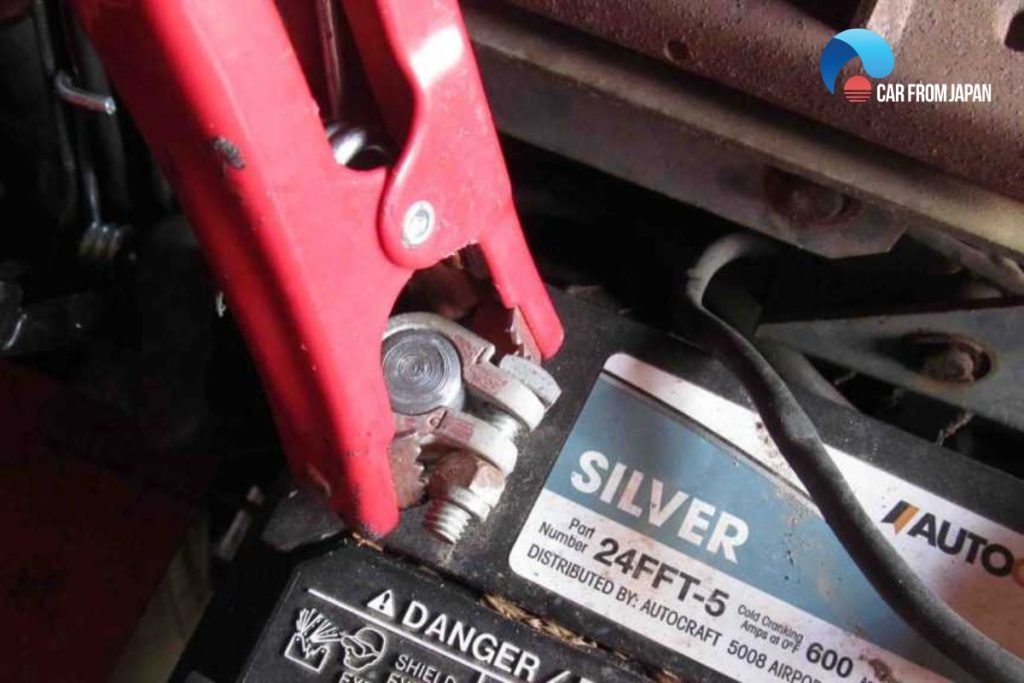
- Loose or Corroded Connections: This is often the simplest, yet most overlooked, problem. A loose battery cable or a corroded terminal can prevent the alternator from properly charging the battery. Ensure all connections are clean and secure.
- Faulty Wiring: The wiring harness connecting the alternator to the battery and the car's computer can sometimes develop shorts or breaks. A damaged wire can disrupt the charging circuit, triggering the warning light.
- A Bad Ground: A good ground connection is crucial for proper electrical flow. A rusty or loose ground strap can hinder the charging process, leading to the light.
- Defective Alternator (Yes, even new ones!): While rare, a brand new alternator can occasionally be defective. Manufacturing errors happen. Always have the new alternator tested to ensure it's functioning correctly. This is especially important if you purchased it online or from a less reputable source.
- Voltage Regulator Issues: The voltage regulator, often integrated into the alternator, controls the voltage output. If it's malfunctioning, it may not be regulating the voltage properly, causing the battery light to illuminate.
- A Problem with the Serpentine Belt: The serpentine belt drives the alternator. If it's loose or worn, it may not be turning the alternator at the correct speed, affecting its charging ability.
Trying to diagnose this at home requires some basic tools and knowledge. First, visually inspect all connections. Look for corrosion, loose wires, or damaged connectors. Clean any corroded terminals with a wire brush. Next, use a multimeter to check the voltage at the battery terminals with the engine running. It should be around 13.5-14.5 volts. If it's significantly lower, something is definitely amiss. You can also try tightening the serpentine belt. However, if you're uncomfortable working on your car's electrical system, it's best to consult a qualified mechanic.
Ultimately, troubleshooting a persistent battery light after replacing the battery and alternator can be a rewarding, if sometimes frustrating, experience. It's a puzzle to be solved, a chance to learn more about your car's inner workings. And the feeling of finally identifying and fixing the problem? Priceless! Remember to be patient, methodical, and safe. With a little detective work, you can conquer that pesky battery light and enjoy the open road with confidence.