Nevada Power Cost Per Kwh
Hey there, energy explorer! Ever stare at your Nevada power bill and wonder, "What on earth is a kWh, and why does it cost what it costs?!" You’re not alone. Our power bills can feel like a magic trick – poof! – money gone, and we're left scratching our heads. But don't you worry your pretty little head! We're going to break down Nevada's power cost per kWh in a way that’s actually fun, easy, and maybe even a little enlightening. Grab a virtual coffee, let's chat!
First things first, let's talk about the big kahuna in Nevada's electricity scene: NV Energy. These are the folks who keep the lights on, the AC humming (a must in our desert climate!), and your fridge chilling. They generate, transmit, and deliver all that juicy power right to your doorstep. So, when we talk about cost, we're generally talking about their rates, approved by the state's Public Utilities Commission.
What's a kWh Anyway?
Okay, let's tackle the mysterious kWh. It stands for kilowatt-hour. Think of it like this: if a kilowatt is a certain amount of power (1,000 watts, to be exact), then a kilowatt-hour is that amount of power used for one hour. It’s the standard unit for measuring electricity consumption, much like miles per gallon for your car's fuel efficiency.
Must Read
So, when you plug in your phone charger, it uses a tiny fraction of a kWh. Your big, power-hungry AC unit, however? That's probably chugging kWhs like they're going out of style, especially in July! Knowing this is step one to becoming an electricity guru.
The Nitty-Gritty: What You Actually Pay
Now for the million-dollar question: what's the actual cost? And here’s where it gets a little… layered. It's not just one flat rate, my friend. Oh no, that would be too simple!
NV Energy typically uses a tiered rate system. Imagine it like buying ice cream – the first scoop is one price, but if you go for a super-sized mega-sundae, each additional scoop might cost a little more. For electricity, it means your first block of kWhs is at one price, and then subsequent blocks might be at a slightly higher rate. It’s like a gentle nudge to say, "Hey, maybe conserve a little!"
Beyond the tiers, there's also the element of time of year. Ever notice your bill creeping up in the summer? That's because AC use skyrockets, demanding more power from the grid. To manage this peak demand, summer rates (especially for residential customers) can often be a bit higher than in the cooler months. It's NV Energy's way of encouraging you to maybe open a window in October instead of blasting the heat!
And then there are all the other little charges. Your bill isn't just the straight kWh cost. There are also charges for transmission (getting the power from the plant to your neighborhood), distribution (getting it from the neighborhood to your house), taxes, and sometimes even environmental or energy efficiency program fees. Think of them as the service charges on your electricity dinner plate – not for the food itself, but for getting it to you!

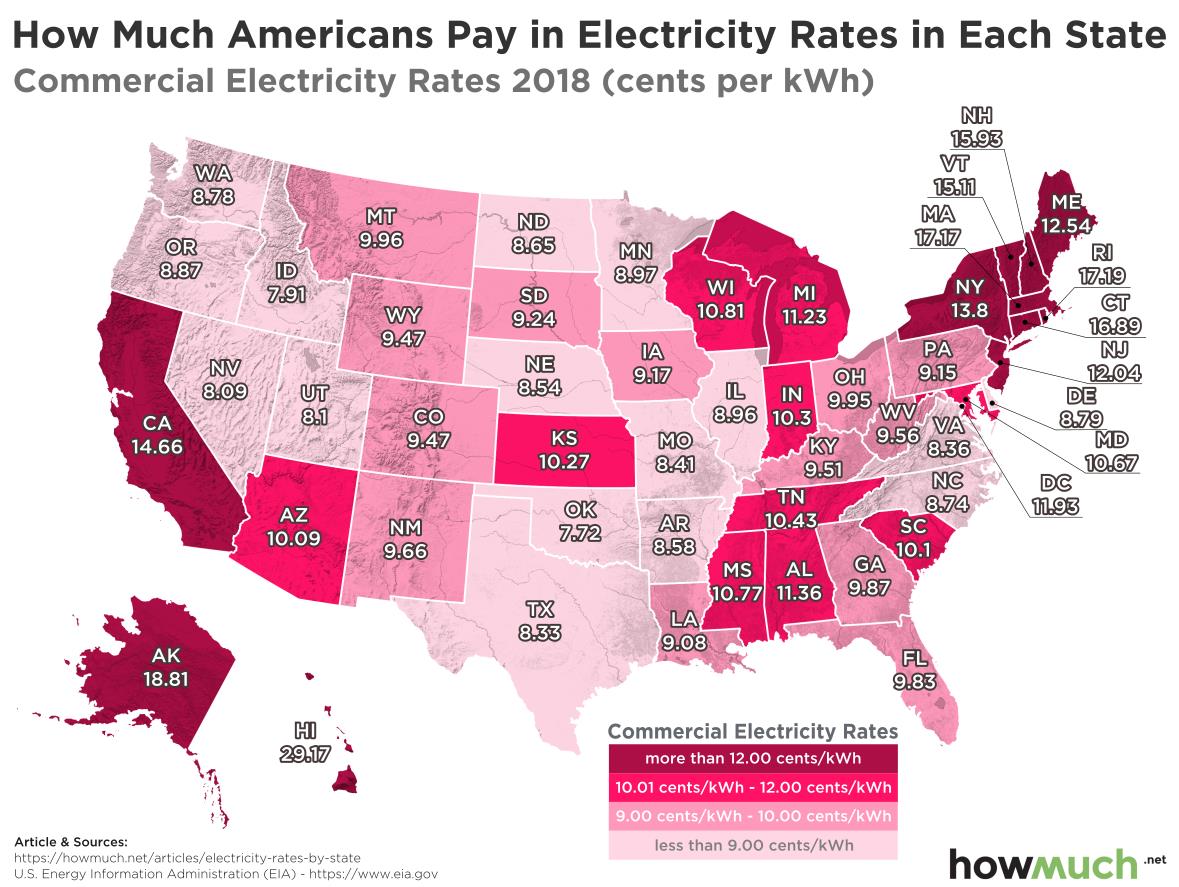
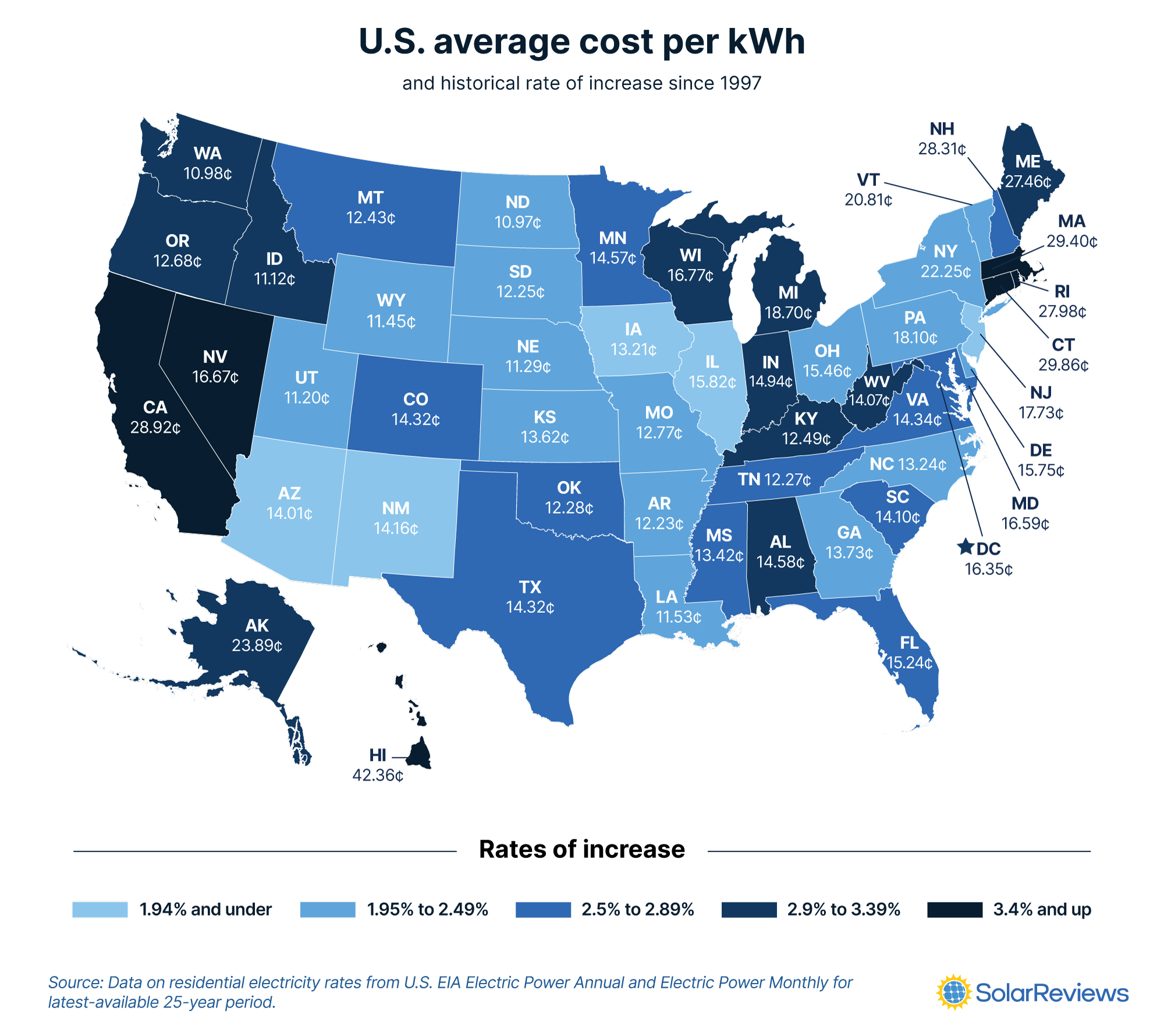
So, what's the ballpark figure? While it varies based on your usage, the specific rate plan, and the time of year, you can generally expect residential rates in Nevada to hover somewhere in the $0.12 to $0.18 per kWh range for the actual energy consumed. But remember, that's just the energy part; all those other charges will add to your total bill.
Saving Energy (and Your Wallet)!
Understanding these costs isn't just for trivia night; it’s for empowering you! Knowing that using more kWhs can bump you into a higher-priced tier means you can be smarter about your consumption. Little things add up:

- Swap old incandescent bulbs for energy-efficient LEDs. They’re like magic light sources that barely sip power.
- Unplug "vampire" electronics that suck power even when off (looking at you, gaming console!).
- Be mindful of your thermostat. Each degree cooler in summer (or warmer in winter) can make a difference.
- Run your dishwasher and laundry during off-peak hours if you have a Time-of-Use plan (some folks do!).
It's about making conscious choices, not living in the dark! You don't have to become an energy hermit, just an energy smartie.
The Uplifting Ending!
So, there you have it! Nevada power cost per kWh, demystified and hopefully with a few smiles along the way. While electricity might always have a cost, understanding how that cost is calculated puts you firmly in the driver's seat. You’ve got the power (pun absolutely intended!) to make smart choices, save a few bucks, and feel good about your energy footprint.
Go forth, my friend, and shine brightly – both literally and figuratively!