
Neutral And Ground On Same Bus Bar Subpanel

Okay, so picture this: My buddy Dave, who's not an electrician (bless his heart), decided to wire up a hot tub in his backyard. He watched a couple of YouTube videos – always a recipe for success, right? – and confidently declared himself ready. Fast forward to him yelling across the yard about why the breaker kept tripping. Turns out, he had neutral and ground happily chilling together on the same bus bar in his subpanel. Cue the facepalm. You’d think after the third time he tripped the breaker, he’d call someone, but hey, DIY spirit, and all that…
That little fiasco brings us to today’s topic: neutral and ground on the same bus bar in a subpanel. Is it okay? Is it a recipe for electrical disaster like Dave's hot tub escapade? Let's dive in!
The Short Answer (Spoiler Alert: Usually No)
The quick answer is: generally, NO. In a main panel (the one directly after your meter), it's perfectly acceptable and, in fact, necessary to bond the neutral and ground. But in a subpanel (a panel fed from your main panel), things get a bit more nuanced. Think of it like this: your main panel is where the electrical party starts, and the subpanel is just a satellite party. You don't want the same people doing the same jobs at both locations.
Must Read
Why? Because you need to provide a separate and dedicated ground path back to your main panel. This dedicated ground path is essential for safety. It’s there to provide a low-resistance route for fault current in case something goes wrong (like, say, a wire insulation failing and touching the metal casing of your washing machine – yikes!). If neutral and ground are bonded in the subpanel, you can create a situation where current flows through the ground wire under normal operating conditions. This isn’t good.
Why It's So Important: The Safety Factor
Imagine this: you’re touching a metal appliance, and because the ground is carrying neutral current, that appliance is now subtly energized. You probably wouldn't feel it most of the time. But that little bit of stray current can cause nuisance tripping of GFCI breakers, and more importantly, create a potential shock hazard if something else goes wrong. Remember, electricity always takes the path of least resistance. But we want it to go back to the source, not through you!

Think of it as a plumbing system. You want the waste water to flow in one direction, right? You don't want it backflowing into your drinking water. Similarly, you want your fault current to go directly back to the main panel, not potentially through other paths in your home. Makes sense, right?
How to Tell if You Have a Problem
So, how do you know if you have neutral and ground bonded in your subpanel? Here’s what to look for:
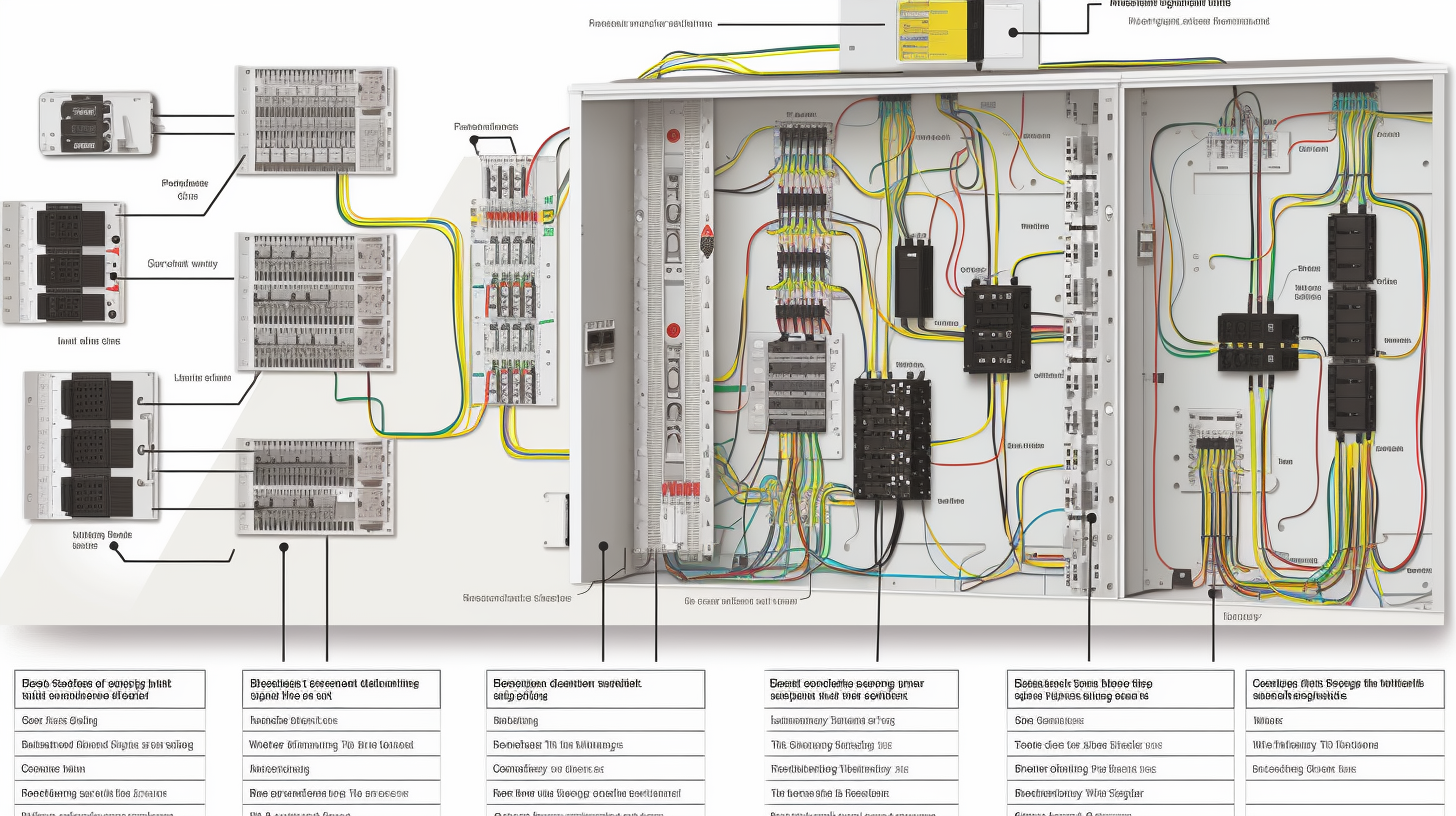
- Visual Inspection: Open up your subpanel (after killing the power, of course! Seriously, be careful!) and look closely. Are the neutral wires (usually white) and the ground wires (usually bare copper or green) connected to the same bus bar? If so, and this is a subpanel, you've got a problem.
- Continuity Test: Use a multimeter to check for continuity between the neutral bus bar and the metal enclosure of the subpanel. If you get a reading of very low resistance (close to zero), it’s likely they are bonded together. Again, make sure the power is off before doing this! Safety first, always!
The Exception to the Rule
Now, I did say generally no. There's an exception to every rule, isn't there? In some specific situations, like outbuildings that are fed by a single circuit and have no other metallic connections to the main building, the neutral and ground may be bonded at the subpanel. This is a very specific scenario, and it's best to consult with a qualified electrician to ensure it's done correctly and meets all applicable codes.
The Bottom Line
For the vast majority of residential applications, keep neutral and ground separated in your subpanels. It's a crucial safety measure that protects you and your family from potential electrical hazards. Don't be like Dave! If you're unsure about anything, always call a licensed electrician. They're the pros for a reason, and their expertise is worth every penny.
And hey, while you’re at it, maybe buy Dave a book on electrical safety. He might need it!

