
Natural Gas Price Per Btu

Alright, settle in, grab your imaginary latte, because we're about to dive into something that sounds drier than a desert biscuit but is actually way more fascinating (and occasionally terrifying) than you’d think: natural gas prices per Btu.
I know, I know. "Btu" sounds like a sound effect from an old arcade game or a secret spy organization. But trust me, once you understand it, you'll feel like you've unlocked a secret level in the game of adulting.
What in the World is a Btu, Anyway?
Let's demystify this bad boy. Btu stands for British Thermal Unit. Yeah, British. Don’t ask me why; maybe they were just really good at measuring heat back in the day. Think of it as the calorie count for energy. You know how a calorie measures the energy in your snack (and probably makes you feel guilty)? Well, a Btu measures the energy in, say, natural gas, or a lump of coal, or even your Uncle Barry’s fiery opinions.
Must Read
Specifically, one Btu is the amount of energy needed to raise the temperature of one pound of water by one degree Fahrenheit. Ta-da! Sounds simple, right? It's just a tiny, invisible unit of heat.
So, when we talk about the price per Btu, we're essentially asking: "How much bang for my buck am I getting when I want to make my house toasty, boil some water, or power a giant industrial furnace?" It's like comparing apples to oranges, but instead, it’s comparing the heating power of natural gas to, say, electricity or propane.
Why Should You Care About This Energy Nerd Stuff?
Because your wallet, my friend, your wallet! We all use natural gas, probably without even thinking about it. Heating your home? Cooking dinner? Drying your clothes? That’s often natural gas doing the heavy lifting. And guess what? The price of that lifting changes more often than a chameleon on a disco ball.
Understanding "per Btu" allows you to compare different energy sources on a level playing field. You wouldn't just buy the cheapest car without knowing its fuel efficiency, would you? (Okay, maybe some of us would, but we’d regret it later!) The Btu gives you the ability to say, "Is this natural gas really a better deal for my heating needs than, say, that newfangled electric heat pump?" It’s all about value for energy.
Imagine going to the grocery store. You see a giant bag of chips for $5 and a tiny bag for $2. Which is cheaper? Well, you need to know the price per ounce to really tell, right? Btu is that ounce of energy.
The Wild Ride of Natural Gas Prices
Natural gas prices per Btu are like a rollercoaster designed by a mischievous squirrel. They go up, they go down, they sometimes even do a loop-de-loop just to keep us on our toes. What makes them so volatile?
A few culprits:

- Weather: Oh, the weather! A brutally cold winter? Everyone cranks up the heat, demand skyrockets, and suddenly that invisible gas is acting like it's wearing a crown. A mild winter? Prices might take a nap. It’s simple supply and demand, but with more shivering involved.
- Storage: We store natural gas in giant underground caverns – seriously! It's like a massive, invisible piggy bank. If those caverns are full, prices tend to be lower. If they’re running low, panic buying (or anticipatory buying) can drive prices skyward.
- Production & Exports: Fracking technology has unlocked vast reserves of natural gas in recent decades. More supply should mean lower prices, right? But then we started exporting it! Sending our gas overseas, sometimes for a pretty penny, can also influence domestic prices. It's a global market now, baby!
- Economic Activity: When factories are humming and businesses are booming, they use more energy. More demand = potentially higher prices. When things slow down, gas prices can take a breather.
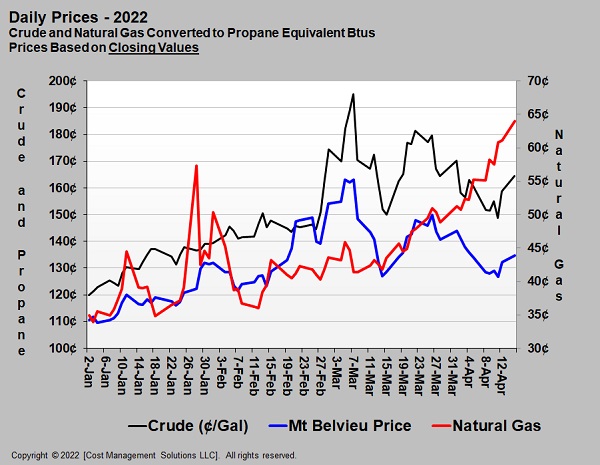
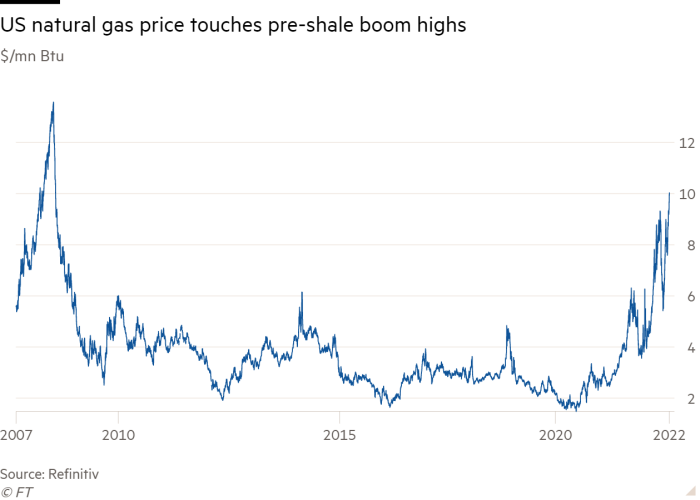
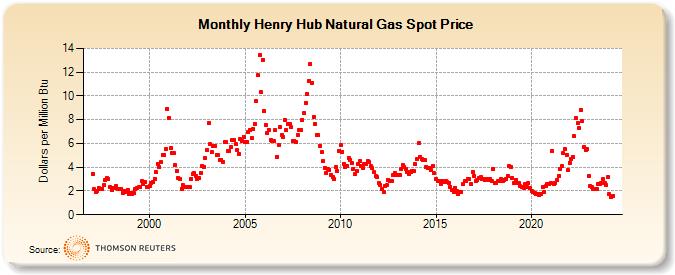
Remember 2022? Natural gas prices went absolutely bonkers. Why? A perfect storm of global events, a very hot summer (more air conditioning!), and worries about supply. It was like everyone suddenly realized they needed a Btu, and there weren’t enough to go around without breaking the bank. Then, like a magician's trick, they cooled off again. It’s a drama series, I tell you!
So, What Does This Mean For You, the Humble Consumer?
Well, for starters, when you see those headlines screaming about energy prices, you now have a secret weapon: your understanding of the Btu. You can nod sagely and think, "Ah yes, the invisible unit of heat. I know her well."
It also empowers you to make smarter choices. If you're considering a new appliance, or debating between different heating systems, checking the cost per Btu for the energy source it uses can be a real eye-opener. Sometimes, what seems cheaper upfront might be a budget vampire in disguise when you look at the long-term energy costs.
Next time you flip on your stove or feel that glorious blast of heat from your vents, give a little nod to the humble Btu. It’s working tirelessly to keep you warm, fed, and sometimes, just a little bit confused about your utility bill. But now, you're armed with knowledge!
And that, my friends, is worth more than a fancy coffee. Though, feel free to buy me one for this illuminating chat!