
Natural Gas Mmbtu Per Cubic Foot

Hey there! Ever found yourself staring at a utility bill, scratching your head, and wondering what on earth "Mmbtu Per Cubic Foot" means? Sounds like a secret code, right? Or maybe the name of a super-cool robot. Well, don't you worry, because today we're going to break it down into something as clear as a sunny day and as fun as a picnic!
Think of it like this: you've got a fantastic cake. You know it's delicious, but you also want to know how much oomph, how much energy, each slice gives you. That's kinda what we're doing with natural gas!
First Up: The Humble Cubic Foot
Let's start with the easy part. A cubic foot. What is it? Imagine a box where all sides are exactly one foot long. One foot by one foot by one foot. Ta-da! That's a cubic foot.
Must Read
It's basically a measure of volume – how much space something takes up. When we talk about natural gas, we often measure it in these imaginary cubic boxes. Your gas meter outside your house? It's usually counting how many cubic feet of gas are zipping through.
Next, We Meet the Mysterious BTU (and its Friend, MMBTU)
Now, this is where things get a tad bit more interesting, but still totally doable. Ready? Say hello to the BTU. That stands for British Thermal Unit. Sounds super fancy, right? Like something a Victorian scientist with a monocle invented!
A BTU is simply a tiny unit of heat energy. Specifically, it's the amount of energy needed to raise the temperature of one pound of water by one degree Fahrenheit. Don't worry, no pop quiz!

Think of it like a calorie for food. A calorie tells you how much energy is in that cookie. A BTU tells you how much energy (heat) is in a tiny bit of fuel. A single match burning? That's about one BTU. Lots of tiny sparks, right?
But natural gas usage involves way more heat than a single match. So, we need a bigger unit. Enter its buddy: MMBTU.
Now, you might be thinking, "Why two 'M's? Is it a typo?" Nope! In the world of natural gas, 'M' often represents one thousand (like 'K' in other contexts). So, two 'M's together, MM, means a thousand thousands, which is a cool one million!
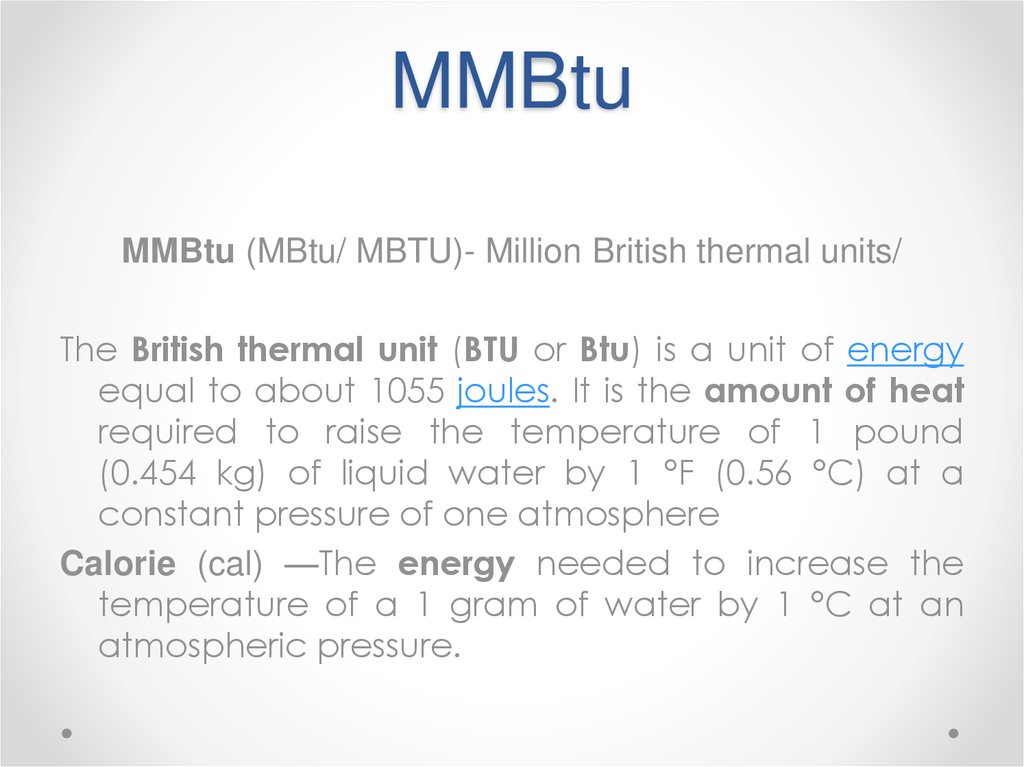
So, MMBTU just means Million British Thermal Units. It's a big, hearty bundle of heat energy!
The Big Reveal: Mmbtu Per Cubic Foot!
Alright, drumroll please! Now that we know about cubic feet (how much space the gas takes up) and MMBTUs (how much heat energy it contains), we can put them together. Mmbtu Per Cubic Foot is simply telling you how much energy is packed into each cubic foot of natural gas.
It's like asking: "How many actual power-ups are in this particular volume of gas?"

Why is this important? Well, natural gas isn't always identical. Gas from one source might have slightly more methane (which burns hotter) than gas from another. So, a cubic foot of gas from Texas might have a slightly different MMBTU content than gas from, say, Pennsylvania.
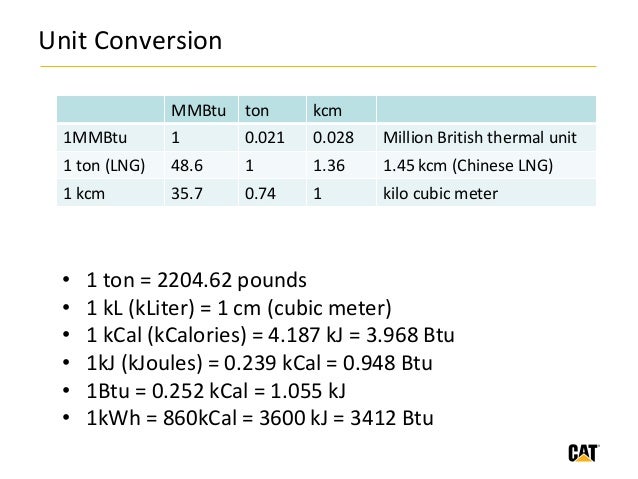
Your gas company wants to make sure you're paying for the actual energy you're getting, not just the volume. They measure the gas that comes into your home by volume (cubic feet), but then often convert it on your bill to reflect the true energy content in BTUs or therms (which are just 100,000 BTUs). Smart, right?
It's all about making sure that whether your cubic foot of gas has a little extra pep or is just a regular ol' cubic foot, you're getting a fair shake for the heat it provides.
So, What Does This Mean For You?
Honestly? For your everyday life, probably not a ton! But it's super important for folks who run power plants, manage pipelines, or deal with large-scale energy transactions. They need to know the exact energy content for efficiency and fair trade.
For you, it means you're now an honorary energy expert! The next time you see "Mmbtu Per Cubic Foot" on a report or hear it in conversation, you can nod sagely and think, "Ah yes, the energy density of my fiery friend!"
A Smile-Inducing Conclusion!
See? It wasn't nearly as scary as it sounded! It's just a way to understand the amazing energy packed into the natural gas that warms our homes, cooks our food, and generates electricity. It's a little peek behind the curtain of how our world works, reminding us that even complex-sounding terms are just simple concepts dressed up in fancy words.
You've just leveled up your energy knowledge! Go forth and shine bright, knowing you've demystified another piece of the incredible puzzle that powers our lives. And remember, understanding makes everything a little bit brighter. Stay curious, stay awesome!