
National Financial Services Llc 1099 Div

Okay, picture this: You're chilling on a Sunday afternoon, maybe scrolling through cat videos (guilty!), when BAM, a tax form arrives in the mail. Suddenly, all thoughts of fluffy felines vanish, replaced by the cold, harsh reality of... taxes. Specifically, a 1099-DIV. And it’s from National Financial Services LLC. dun dun DUNNNN
So, what’s the deal with this whole 1099-DIV situation, especially when it comes from a big player like National Financial Services? Let’s break it down, shall we? Think of this as your friendly neighborhood guide to deciphering tax paperwork. (Because, let's be honest, who actually enjoys reading tax forms?)
What Even IS a 1099-DIV?
Alright, let's get the basics out of the way. A 1099-DIV form is basically a report card from your investments. It tells the IRS (and you!) how much you earned in dividends and capital gains distributions throughout the year from your investments. Dividends are essentially a cut of a company's profits paid out to shareholders. Capital gains distributions are profits made when a mutual fund or ETF sells assets at a profit. Pretty straightforward, right?
Must Read
National Financial Services LLC is a custodian, often holding your investments with places like Fidelity. They might be managing your brokerage account, or holding your mutual funds. Basically, they're the middleman (or middle-entity?) keeping track of your investment activity.
Why Did I Get One From Them?
If you received a 1099-DIV from National Financial Services LLC, it means you likely had investments held by them that paid out dividends or distributed capital gains during the tax year. You might have investments directly through them, or, as said, they might act as a custodian for investments held elsewhere (like Fidelity). Don't freak out! It's a normal part of investing. Think of it as a sign that your investments are, hopefully, doing their job. (Fingers crossed they're going up and not down!)

Basically, National Financial Services is letting you (and the IRS) know that they paid out dividends or capital gains on your behalf, and now you need to report that income on your tax return.
Decoding the 1099-DIV Form
Okay, let's dive into the nitty-gritty. The 1099-DIV is divided into boxes, each with a specific purpose. Box 1 is your main focus – this shows the total ordinary dividends you received. Box 2a shows qualified dividends (which are taxed at a lower rate than ordinary income – yay!). Boxes 2b, 2c, 2d, and 2e detail various types of capital gains distributions. These might include things like 28% rate gain, unrecaptured section 1250 gain, etc. Don’t panic if these terms sound like gibberish! Just make sure the amounts are accurately reported on your tax return.
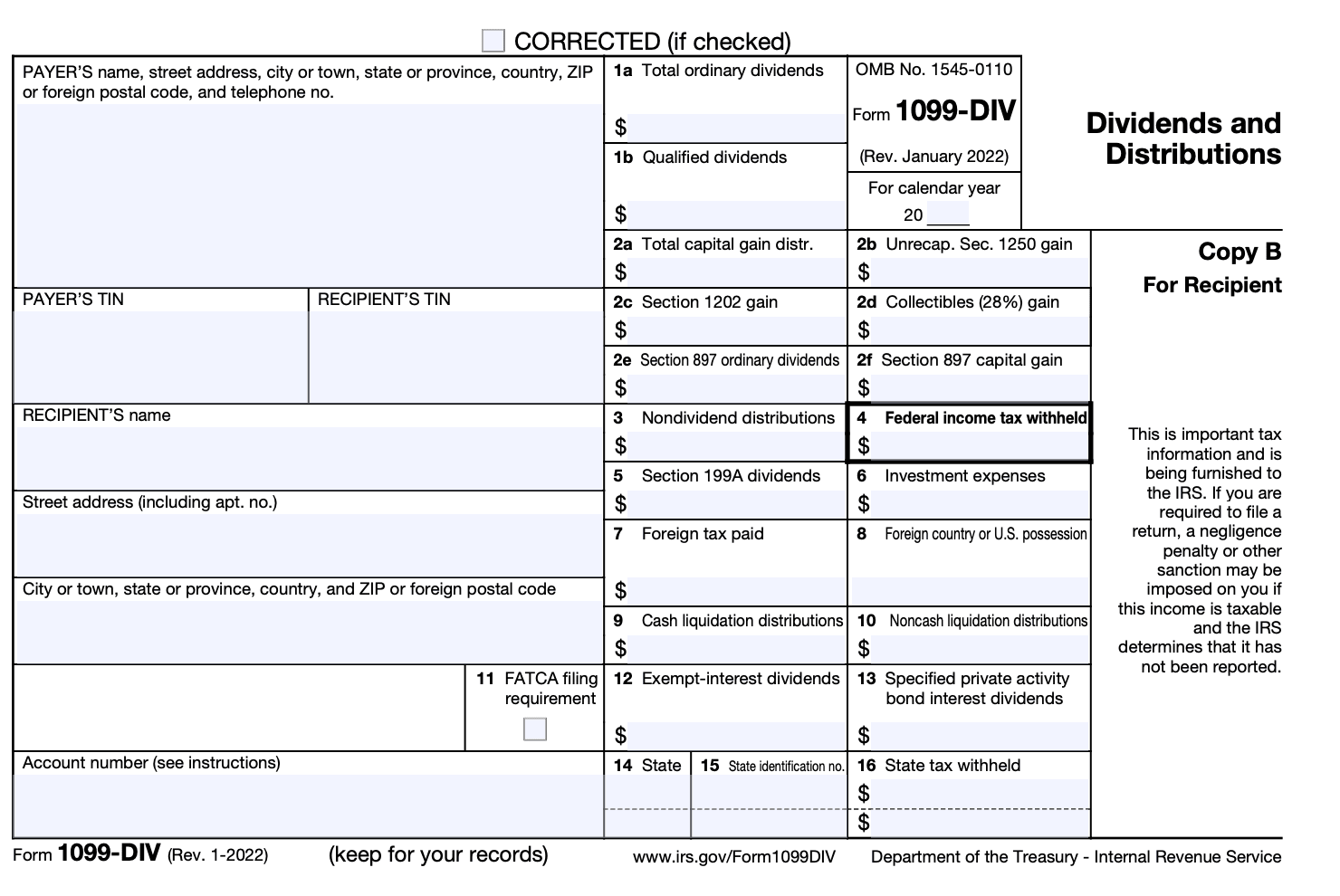
The key is to make sure the information on the 1099-DIV matches your own records. You should have documentation from your investment accounts showing the dividends and capital gains you received throughout the year. If something doesn't add up, contact National Financial Services LLC. It's better to catch any errors early than to deal with potential headaches later with the IRS. (Trust me, nobody wants that!)
What To Do Next
Now that you have your 1099-DIV from National Financial Services LLC (and you understand what it is... mostly!), it's time to put it to good use. Give a copy to your tax preparer (if you use one) or use it to file your taxes yourself. You'll need to report the income shown on the form on your tax return. This income will then be taxed at the appropriate rates based on the type of income (ordinary dividends, qualified dividends, capital gains, etc.).
:max_bytes(150000):strip_icc()/ScreenShot2020-02-03at11.15.35AM-a3c24d655e9748e19bab699b55c1b7b6.png)
Remember, it's always a good idea to keep accurate records of all your investment activity throughout the year. This will make tax time much less stressful and ensure that you're reporting your income correctly. Also, consider consulting with a qualified tax professional or financial advisor if you have any questions or concerns. They can provide personalized advice based on your specific financial situation.
Investing and taxes can feel complicated, but with a little knowledge and understanding, it doesn't have to be so scary. And hey, at least you got this far, right? Now go forth and conquer those taxes! Just maybe after one more cat video break… ;)
