My Septic Filter Is Plugged With Sludge

Ever paused to wonder what goes on beneath the surface of your home, especially after that satisfying flush? Most of us rarely give it a second thought until something goes awry. But there's a fascinating, hidden world working tirelessly to keep our homes hygienic and our environment safe. Today, we're diving headfirst into a topic that might sound a little... well, sludgy: a septic filter plugged with sludge. Far from being a gross inconvenience, understanding this small but mighty component can actually be quite an enlightening journey into home ecology and preventative care.
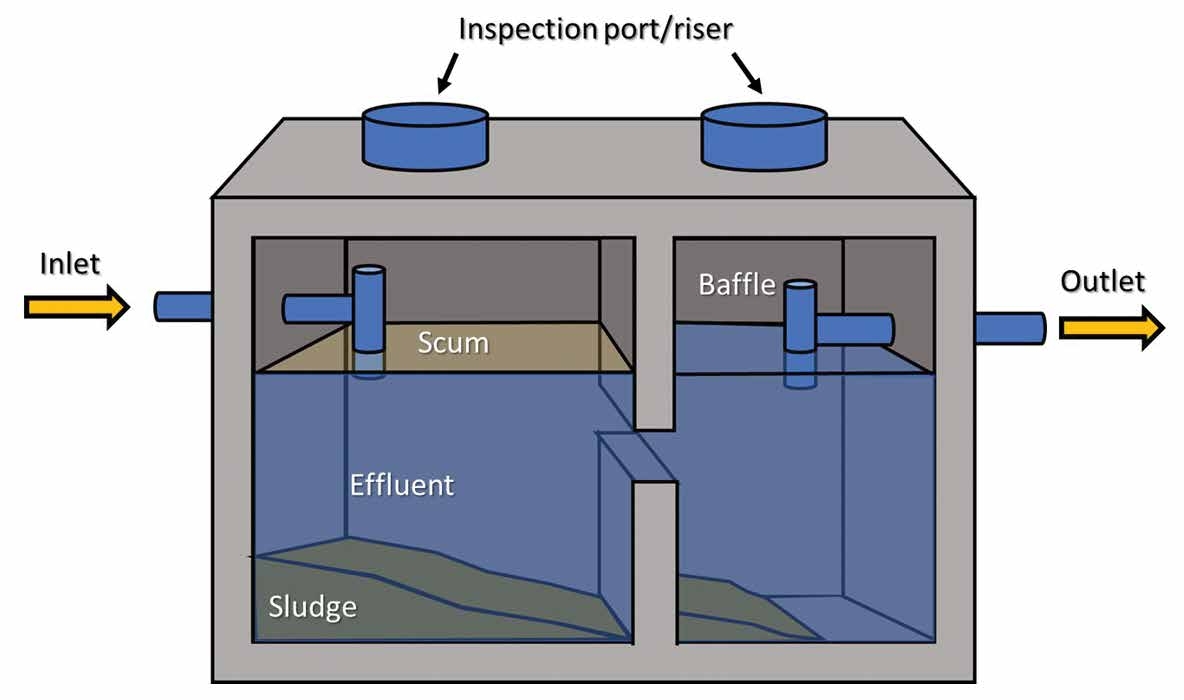
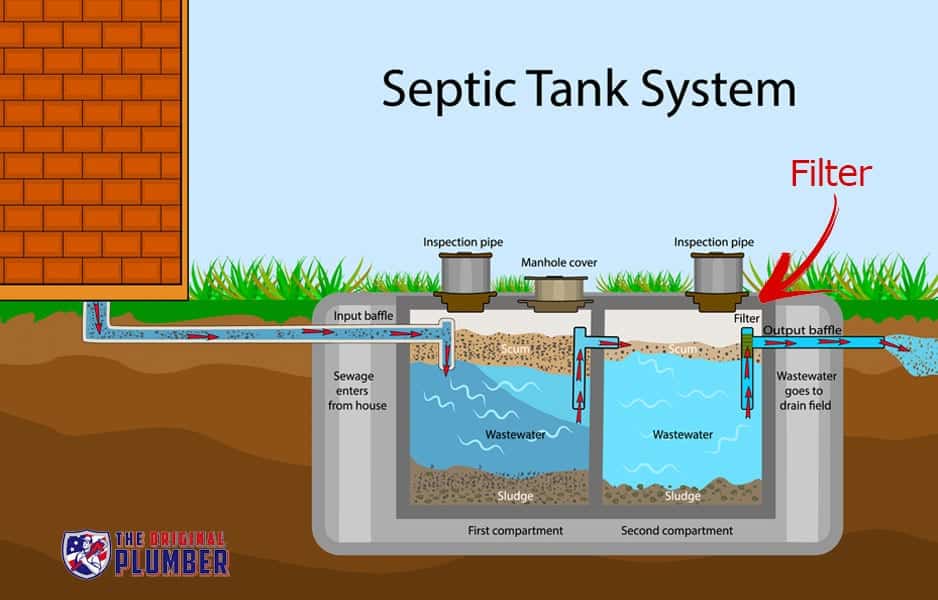
So, what exactly is a septic filter, and why does it get plugged? Think of your septic system as your own personal, underground wastewater treatment plant. Water from your sinks, showers, and toilets flows into a large tank where solids settle, and beneficial bacteria get to work breaking down waste. The effluent (the liquid portion) then flows out to a drainfield to be further purified by soil. But here's the crucial part: we don't want any chunky bits making it to that drainfield. That's where the septic filter comes in. Typically located at the outlet of your septic tank, its purpose is to catch any suspended solids or scum that might try to sneak past. It's the last line of defense, safeguarding your expensive drainfield from premature clogging and failure. When it gets plugged with sludge, it's not a sign of failure but actually a testament to it doing its job perfectly – filtering out all the undesirable gunk!
Understanding this process offers insights far beyond just home maintenance. In a daily sense, knowing about your filter encourages mindful flushing habits. Things like "flushable" wipes (they're not!), excessive grease, or harsh chemicals can accelerate sludge buildup and stress your system. Educationally, this humble filter touches upon several fascinating fields. For budding environmental scientists, it’s a tangible example of decentralized wastewater treatment and the delicate balance of microbial ecosystems. Biology students can explore the anaerobic decomposition happening in the tank. Even for those interested in practical engineering, it showcases simple yet effective design principles for flow management and particle separation. It makes you appreciate the unseen infrastructure that supports modern living, inspiring curiosity about other systems in our daily lives.
Must Read
Ready to explore this topic a bit further, without getting your hands dirty? Here are a few practical tips. First, become a septic system steward. Learn what goes into your drains. Avoid pouring grease or harsh chemicals down the sink, and only flush human waste and toilet paper. Secondly, if you have a septic system, learn about its maintenance schedule. Most systems benefit from regular pumping (every 3-5 years) and filter cleaning (often annually). This is usually best handled by a professional, who can safely inspect and clean the filter, explaining its condition to you. Simply understanding where your tank is located and its basic components can be empowering. Finally, read up! There are fantastic resources online from local health departments and environmental agencies that provide detailed, easy-to-understand guides on septic care. This curious dive into a plugged septic filter isn't just about avoiding a messy situation; it's about appreciating the clever engineering in our homes and becoming a more responsible inhabitant of our planet.