
Moving Lower Jaw Forward In Adults
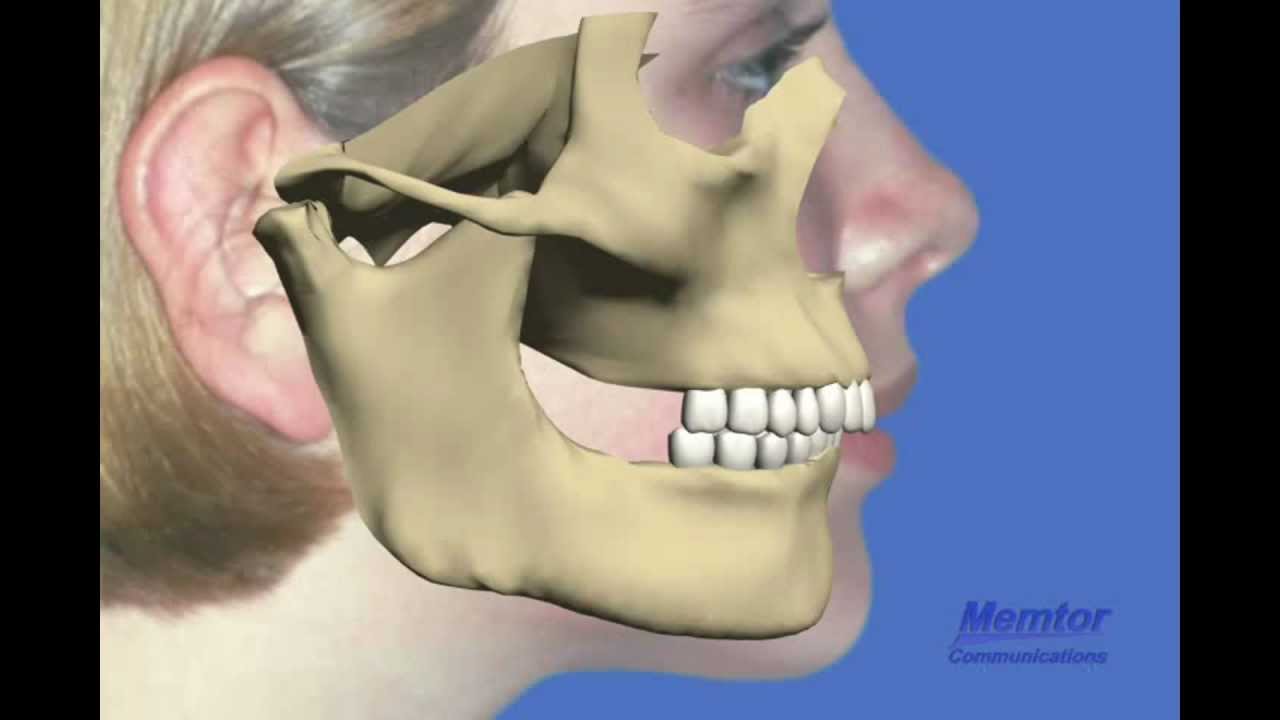
Ever feel like you're clenching your jaw, snoring up a storm, or just noticing your chin seems a little…recessed? We're going to talk about something that might surprise you: consciously moving your lower jaw forward. It's not some strange new fitness trend, but a simple adjustment that can have a surprisingly big impact on your comfort, sleep, and even your overall appearance. Think of it as a little life hack for your face!
So, why bother moving your lower jaw forward? The reasons are varied and depend on who you are:
For Beginners: Just becoming aware of your jaw's position is a great first step. Many of us unknowingly hold our jaws tightly or in a retracted position. Bringing your lower jaw slightly forward can immediately relieve tension in your jaw muscles, potentially easing headaches and neck pain. It's a simple relaxation technique you can practice anywhere, anytime.
Must Read
For Families (especially snorers!): Snoring often happens when the tongue and soft tissues in the throat relax and obstruct the airway. Bringing your lower jaw forward opens up the airway, reducing the likelihood of snoring. While it's not a cure-all, it can be a helpful technique for mild snoring or as part of a broader sleep hygiene strategy. Think of it as a quiet night's sleep for everyone!

For Hobbyists (musicians, public speakers): Proper jaw alignment is crucial for clear articulation and vocal projection. Experimenting with a slightly forward jaw position can improve resonance and allow for fuller, more controlled speech or singing. It can make a real difference in performance quality.
Examples and Variations:
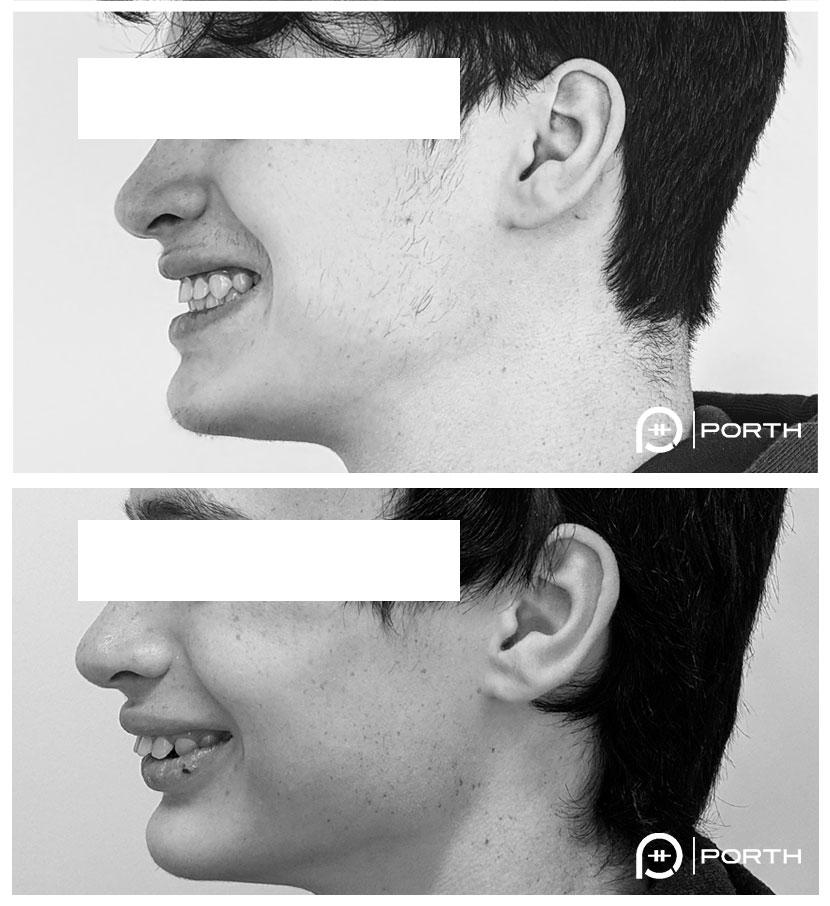
- The "Slight Shift": Gently move your lower jaw forward just a millimeter or two. The change is subtle but can be very effective.
- The "Open Bite" Awareness: Imagine you have a small, flat object between your front teeth (like a playing card). Practice maintaining a slight forward jaw position that creates a minimal gap. This increases awareness of the muscles used.
- The "Tongue Posture" Connection: Where your tongue rests in your mouth influences your jaw position. Try gently pressing your tongue against the roof of your mouth while bringing your jaw forward. This can help maintain the desired alignment.
Getting Started is Easy:
- Awareness: Throughout the day, check in with your jaw. Is it clenched? Is it retracted?
- Experiment: Gently try moving your lower jaw forward. Don't force it! It should feel like a slight adjustment, not a strain.
- Mirror Check: Look in a mirror. A slight forward movement can subtly improve your profile.
- Practice: Incorporate this into your daily routine. Try it while driving, working at your desk, or watching TV.
Remember, consistency is key. This isn't a one-time fix, but a practice that can gradually improve your comfort and well-being. Moving your lower jaw forward is a simple, often overlooked, technique that can bring about positive changes in your life. Whether it's a more restful night's sleep, improved speech, or just a release of jaw tension, it's a worthwhile experiment with potentially significant rewards. So, give it a try – your jaw (and maybe your family!) will thank you!

