Most Tools That Run On Liquid Are Powered By
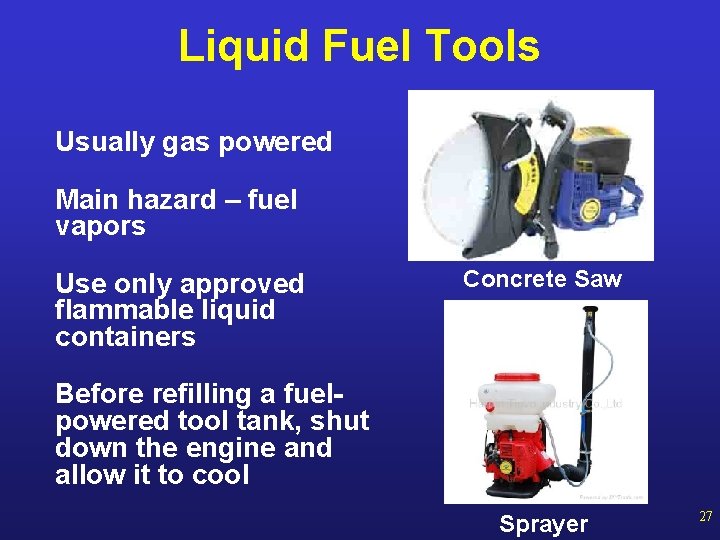
Ever wonder what makes that roaring lawnmower, that precise chainsaw, or even that humble pressure washer spring to life? We're surrounded by tools that harness the power of liquids, but the unsung hero that fuels them all is often... internal combustion.
That's right, we're talking about the fascinating process where a controlled explosion of fuel and air within an engine's cylinder creates the force necessary to get things moving. Think of it like a tiny, contained firecracker repeatedly going off, pushing a piston that ultimately drives the tool's mechanism.
The Liquid Connection
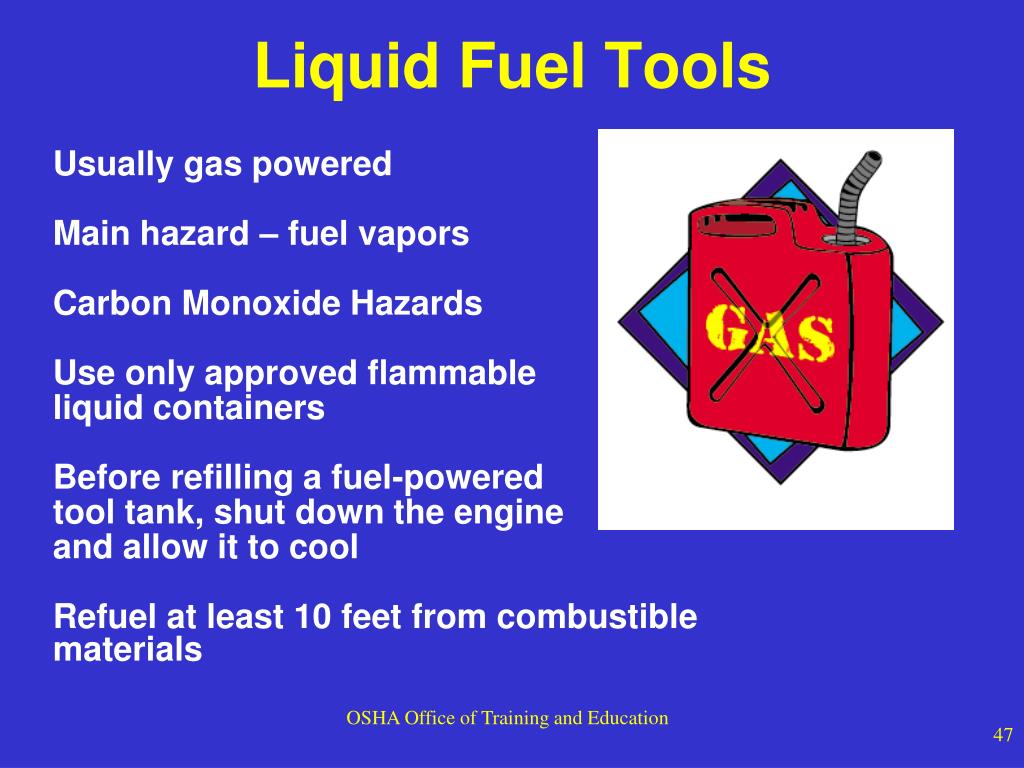
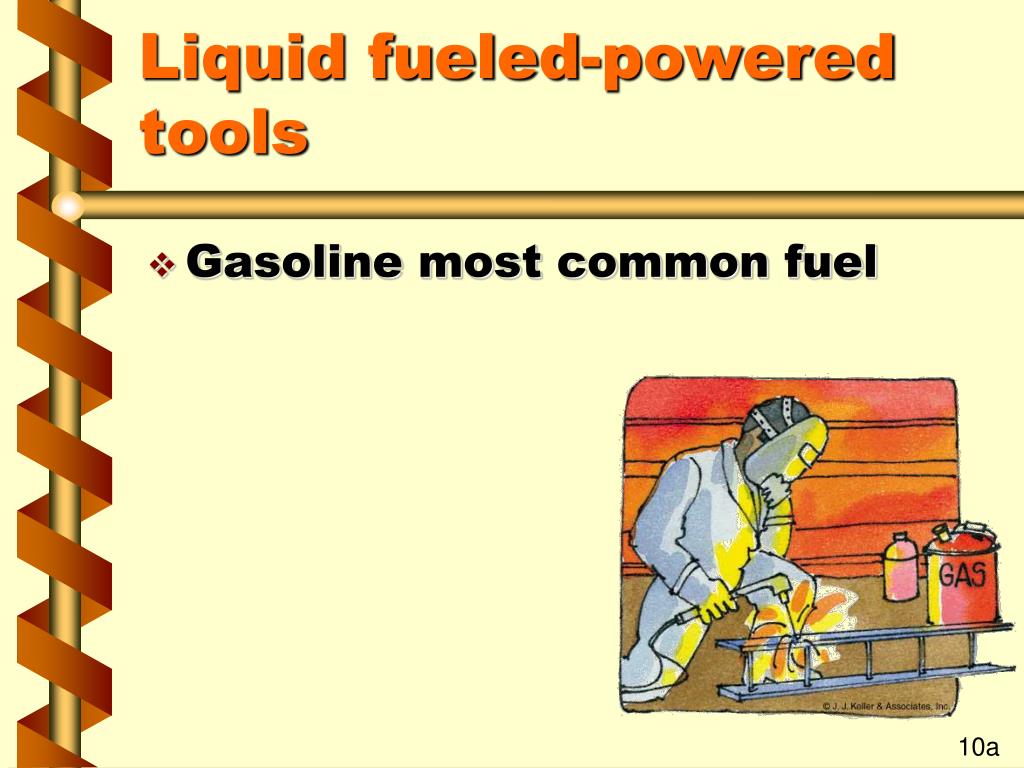
So, where do the liquids come in? They’re not just any liquid, of course. We’re primarily talking about gasoline (petrol) or diesel fuel. These liquids are chosen for their high energy density – meaning they pack a serious punch when ignited. They're also relatively easy to store and transport, making them ideal for powering portable tools.
Must Read
Here’s the breakdown:
- Fuel: The gasoline or diesel is the primary energy source.
- Oil: Lubricating oil is crucial for reducing friction between moving parts inside the engine, preventing wear and tear, and keeping things running smoothly. Think of it as the engine's lifeblood!
- Coolant: Many larger, more powerful tools also use coolant (often a mixture of water and antifreeze) to regulate engine temperature, preventing overheating and potential damage.
Beyond these core liquids, you might also find hydraulic fluid in tools like log splitters or some heavy-duty machinery. Hydraulic systems use pressurized liquid to transmit force, allowing for incredible power in a relatively compact package.
A Little Engine History
The internal combustion engine has a rich history, stretching back to the 19th century. While various inventors tinkered with the idea, Nikolaus Otto is generally credited with creating the first successful four-stroke engine in 1876. His invention revolutionized transportation and industry, paving the way for the tools we use today. It’s a bit like the impact Gutenberg had with the printing press – fundamentally changing how we work and live.
Did you know? The Otto cycle (the four-stroke process) is still used in most gasoline engines today!
Practical Tips for Liquid-Fueled Tools
Using and maintaining liquid-fueled tools safely and effectively is crucial:
- Read the Manual: Seriously, read the manual! Each tool is different, and the manufacturer's instructions are your best guide.
- Use the Right Fuel: Don't put diesel in a gasoline engine or vice versa. This can cause serious damage.
- Proper Storage: Store fuel in approved containers away from heat sources and open flames.
- Regular Maintenance: Change the oil, replace air filters, and inspect spark plugs regularly to keep your tools running efficiently.
- Safety First: Always wear appropriate safety gear, such as eye protection and hearing protection.
Think of it like taking care of a prized possession. A little preventative maintenance goes a long way in extending the life of your tools and ensuring they're ready when you need them.
The Future of Power
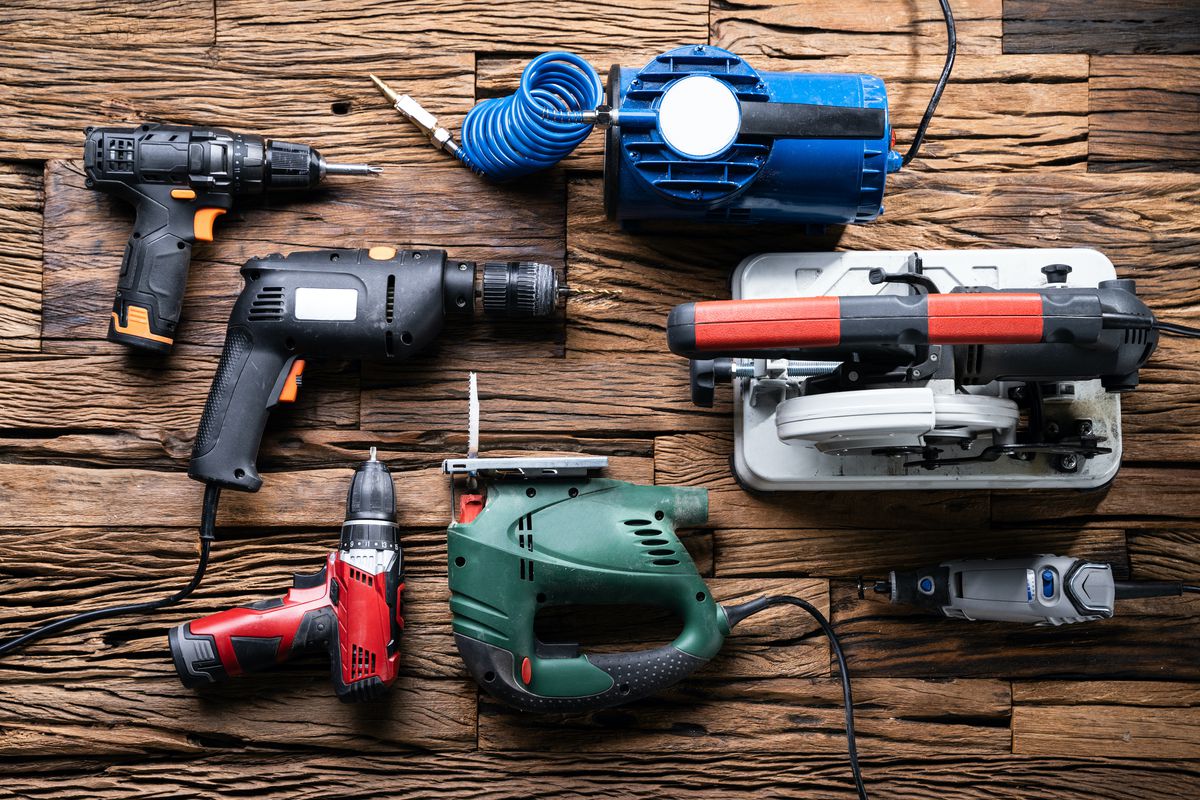
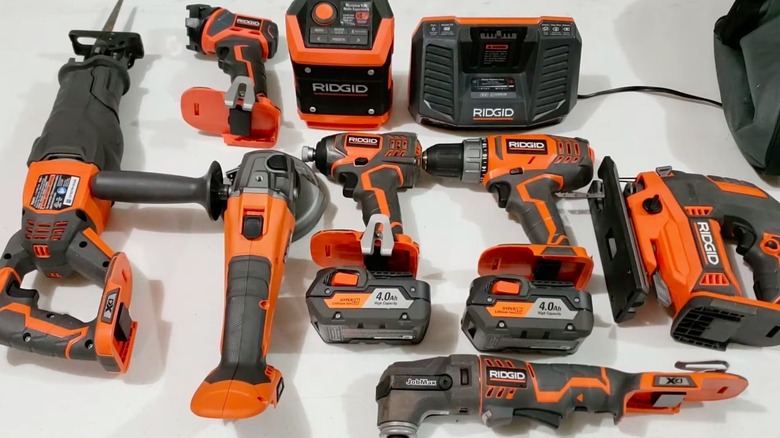
While internal combustion engines have been the workhorses of powering many tools, the future is shifting. Electric power is making significant inroads, offering quieter, cleaner, and more efficient alternatives. Battery-powered lawnmowers, chainsaws, and other tools are becoming increasingly popular, especially for residential use.
However, internal combustion still holds its own, particularly in demanding applications where power and runtime are critical. The debate between gas and electric is ongoing, and the best choice depends on your specific needs and priorities. It's a bit like the vinyl vs. digital music debate – each has its advantages and loyal fans.
In the end, understanding how these tools work, powered by the principles of internal combustion and liquid fuels, allows us to use them safely and efficiently. It helps us appreciate the ingenuity behind them and make informed decisions about the tools we choose to use.
So, the next time you fire up your lawnmower or use a pressure washer, take a moment to appreciate the tiny explosions happening inside, harnessing the power of liquid to make our lives a little easier. It's a reminder that even the most mundane tasks are often powered by fascinating science and engineering. And perhaps, it encourages us to reflect on the energy we consume and the choices we make in our daily lives, seeking a balance between power and sustainability.