Mono Or Polycrystalline Solar Panels

Ever found yourself gazing up at a rooftop covered in shimmering solar panels, or noticed a small one powering a garden light, and wondered what makes them tick? It's fascinating, isn't it? As our world increasingly embraces renewable energy, understanding the basics of solar power becomes not just relevant, but genuinely fun! Today, we're going to peek behind the curtain at two of the most common types of solar panels you'll encounter: monocrystalline and polycrystalline. Don't worry, it's not as complex as it sounds, and learning the difference can actually help you appreciate the clever engineering saving our planet (and our wallets!).
At their core, both types of panels share the same magnificent purpose: to capture sunlight and convert it into usable electricity. This amazing process helps us reduce our reliance on fossil fuels, shrink our carbon footprint, and often, significantly lower our energy bills. But while their goal is identical, the way they're manufactured and their resulting characteristics offer distinct benefits. Think of it like different car models – both get you from A to B, but one might be sportier while the other is more economical.
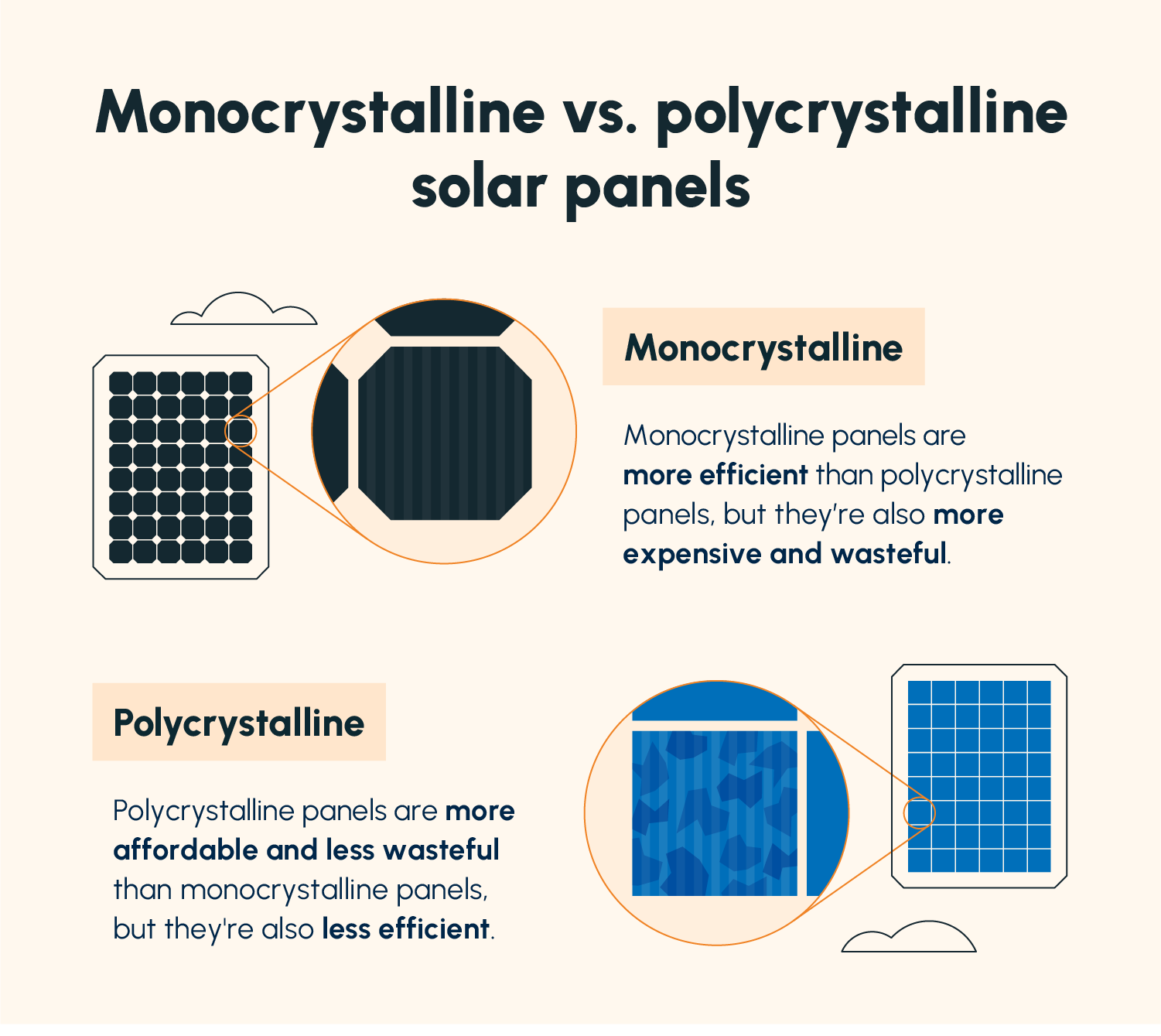
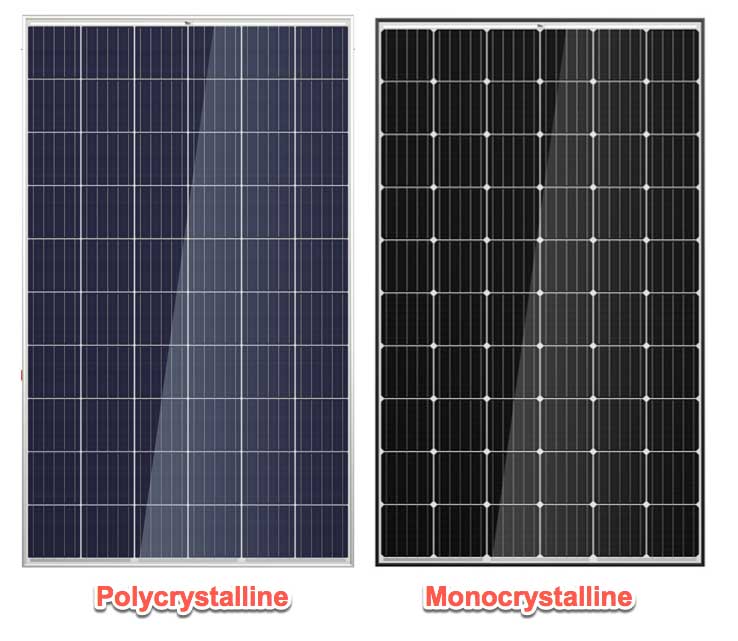
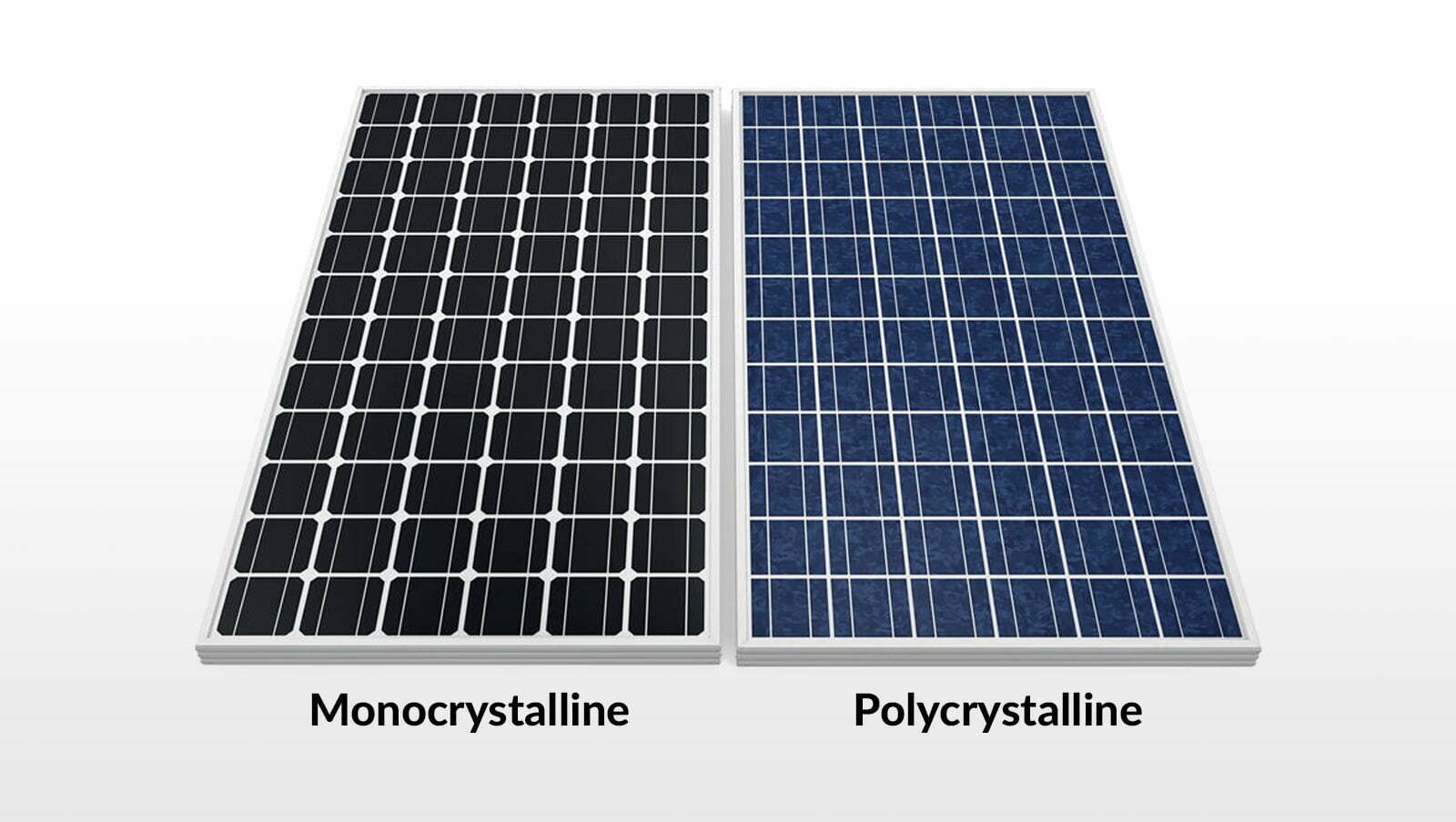
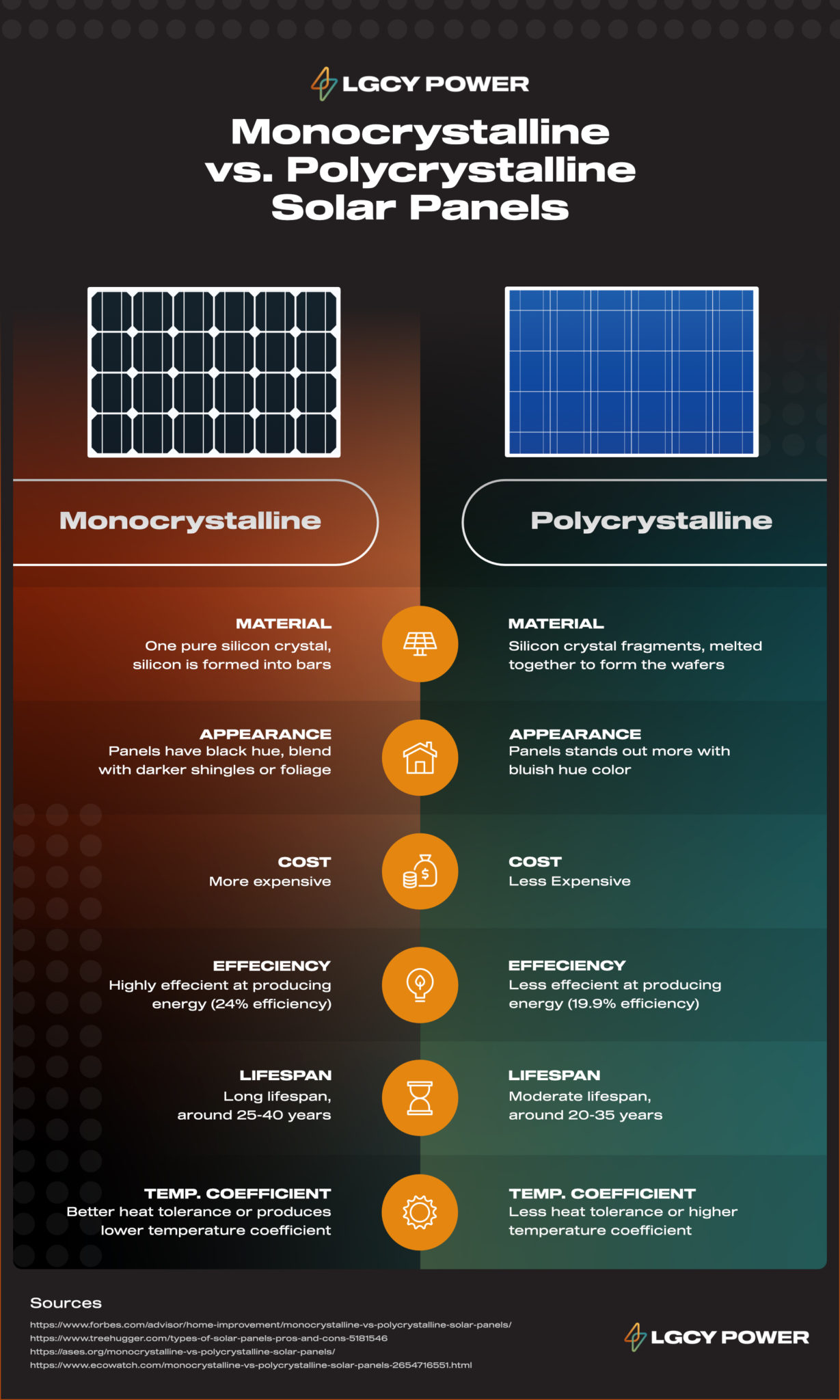
Let's dive into the specifics. Monocrystalline panels are easily identifiable by their uniform, dark black appearance. They're made from a single, pure silicon crystal grown into a cylinder and then sliced into wafers. This uniform structure allows electrons to move more freely, making them generally more efficient at converting sunlight into electricity. This means they can generate more power in a smaller footprint, often perform better in low-light conditions, and have a sleek, premium look. However, their sophisticated manufacturing process makes them more expensive per panel.
Must Read
On the other hand, polycrystalline panels often have a distinct blue, mottled, or speckled look. This is because they're made by melting many silicon fragments together and then molding them into squares before slicing. While this manufacturing method is less expensive, the multiple crystals create more boundaries for electrons to navigate, making them slightly less efficient than their monocrystalline cousins. This means you might need a bit more roof space to achieve the same power output. Despite this, their affordability makes them a highly popular and cost-effective choice for many homeowners and businesses.
You can spot these panels everywhere, from massive solar farms stretching across fields to the discreet panels on residential rooftops, silently generating power for homes. Beyond large-scale applications, they're embedded in our daily lives in countless ways: powering remote weather stations, illuminating garden path lights, charging your outdoor gadgets, or even running your calculator. In education, small monocrystalline or polycrystalline cells are often used in science kits and classroom demonstrations, allowing students to experiment firsthand with renewable energy principles and see the difference in output between different panel types.
So, how can you explore this fascinating topic further? The next time you see a solar panel, take a closer look! Can you tell if it's black and uniform (monocrystalline) or blue and speckled (polycrystalline)? It's a fun game of observation. You can also explore online resources, watch videos explaining the manufacturing process, or even visit a local solar installer to see panels up close and ask questions. For the truly curious, consider buying a small, inexpensive solar charger or a DIY solar kit. Experimenting with these miniature versions can give you a hands-on feel for how sunlight translates into power, and help you appreciate the incredible technology that's literally harnessing the power of the sun to brighten our future.