
Molecular Geometry Of Clo2-
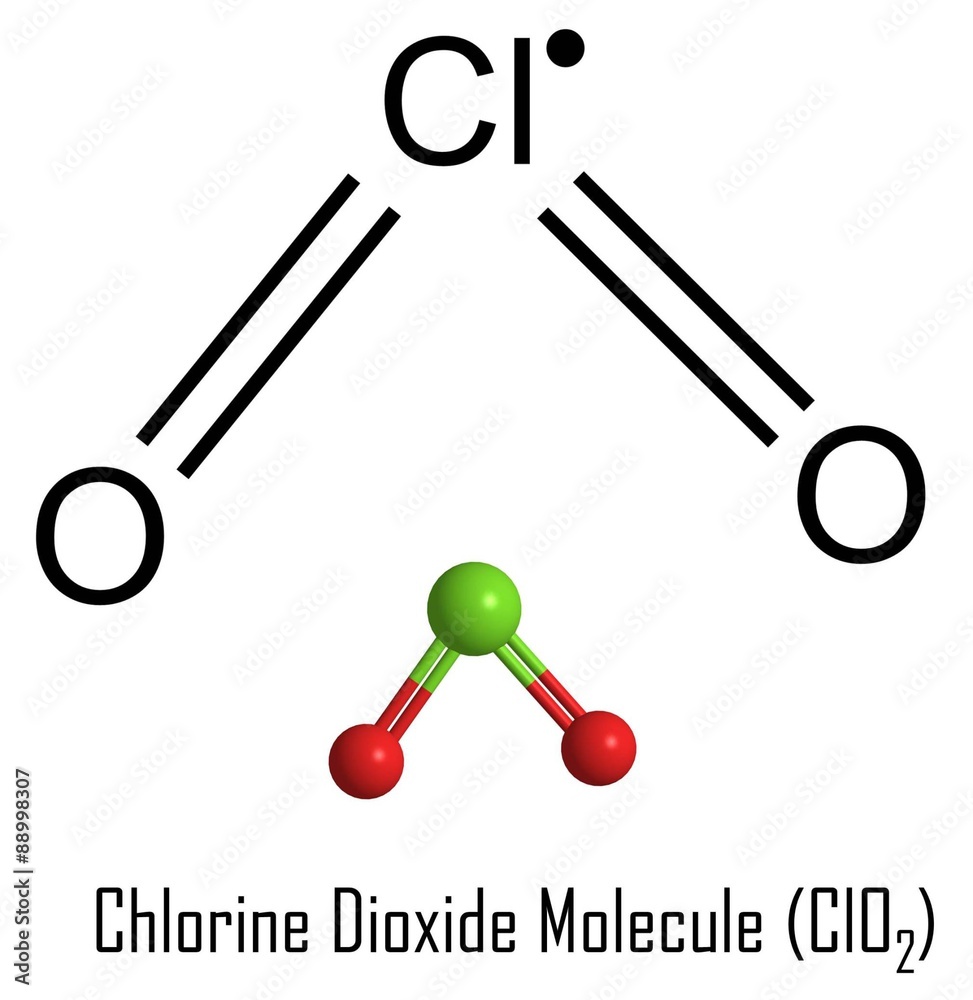
Imagine a tiny molecule, way smaller than anything you can see. This isn't just any molecule; it's the humble chlorite ion, or ClO2-. Now, instead of picturing some boring, symmetrical blob, think of it as a tiny, awkward dancer trying to find its balance.
The Molecular Dance Floor
Molecules, believe it or not, have shapes! These shapes aren’t random. They're dictated by something called molecular geometry. It's like the choreography of their dance, determining how they interact with other molecules and influence the world around them. For ClO2-, this dance is particularly charming.
Our little chlorite ion is composed of a central chlorine atom, and two oxygen atoms clinging to it. Plus, it has an extra pair of electrons just hanging out on the chlorine. These electrons, though invisible, are crucial to understanding its shape.
Must Read
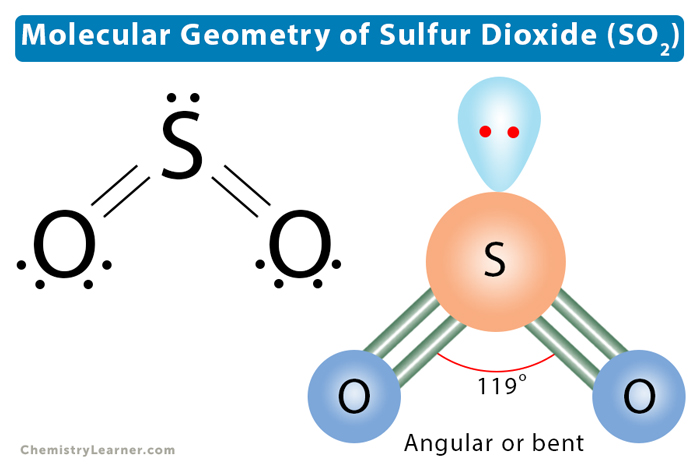
Think of electrons like grumpy toddlers. They don't like being close to each other. They repel! Because of this repulsion, the oxygen atoms and the extra electrons try to spread out as much as possible around the chlorine atom. This forces the molecule into a bent shape.
Bent Out of Shape (But in a Good Way!)
This bent shape is the key to its personality. Instead of being a straight line, like a stoic Roman soldier, the ClO2- molecule is more like a slightly tipsy comedian, always ready to react and interact. This bend isn't just for show; it's crucial for its function. The bent shape affects how it interacts with light, contributing to its color and other interesting properties.
Now, you might ask, "Why should I care about the shape of some tiny molecule?" Well, this little ion has some pretty important jobs. It's a key ingredient in bleaching agents, making your whites whiter than white. It's also used in water treatment to disinfect and purify, keeping you safe from harmful bacteria. So, next time you’re enjoying sparkling clean water, spare a thought for the awkwardly bent chlorite ion doing its job behind the scenes.
Lone Pairs: The Unsung Heroes
Those extra electrons, the "lone pairs" we mentioned earlier, deserve a shout-out. They might seem lazy, just hanging around, but they actually exert a significant influence. Imagine them as incredibly strong magnets pushing the oxygen atoms down, making the bent shape even more pronounced.
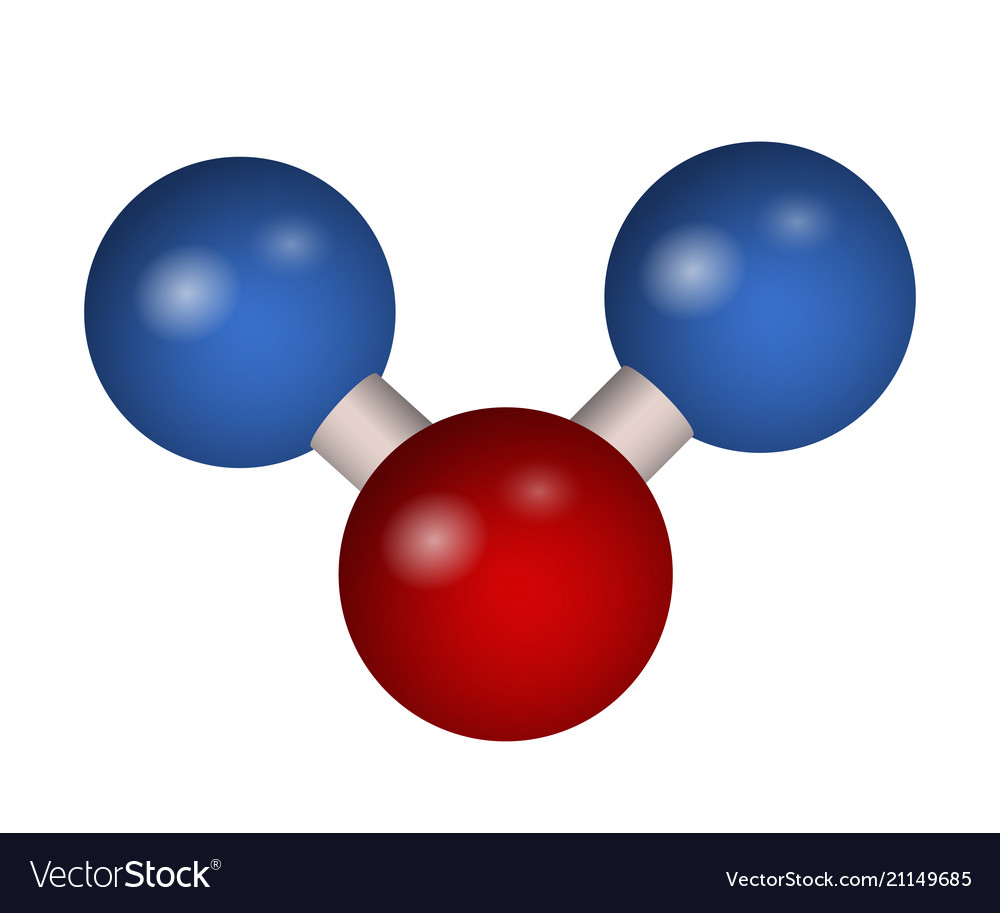
It’s like they're whispering, "Hey oxygen atoms, personal space, please!" Their repulsion makes the angles between the atoms smaller than if they weren't there. Without them, the molecule would be much straighter and less reactive.
A Loveable Misfit
In a world full of straight lines and perfect symmetry, the bent shape of ClO2- is a reminder that imperfection can be beautiful and functional. It’s a testament to the power of repulsion and the importance of lone pairs. It’s like a tiny, awkward dancer, maybe not perfectly graceful, but definitely making an impact. Think about that next time you're judging yourself! It's also a good example that even the smallest things, and the strangest shapes, can have a big impact on your daily life.

So, the next time you hear about molecular geometry, don't glaze over. Remember the little chlorite ion, happily bent out of shape, bleaching our clothes and purifying our water. It's a reminder that even at the molecular level, there's room for a little personality. And maybe a little awkwardness.
"Never underestimate the power of a bent molecule." - Some Chemist, Probably.
