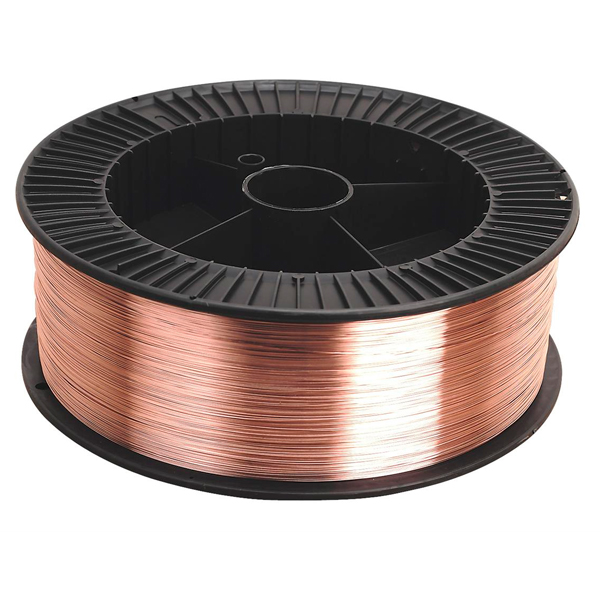
Mild Steel Mig Welding Wire
Ever thought about making something strong and permanent with your own two hands? Or maybe fixing that wobbly garden gate that's been bugging you for ages? That's where the wonderful world of welding comes in, and for many, the journey begins with mild steel MIG welding wire. It might sound technical, but trust me, it's one of the most accessible and satisfying ways to bring metal together. It’s like the super glue for steel, but way stronger and much more fun!
So, who is this magical wire for? Well, just about everyone with a bit of DIY spirit! For beginners, MIG (Metal Inert Gas) welding is often recommended because it's relatively forgiving. The wire feeds continuously, making it easier to maintain an arc compared to stick welding, and you get clean, consistent welds with less spatter. It’s a fantastic way to learn the fundamentals of metal fabrication without getting too frustrated too quickly.
For families looking to tackle home improvement projects, MIG welding with mild steel wire is a game-changer. Imagine repairing a broken patio chair, custom-building a sturdy workbench for the garage, or even crafting unique metal art for the garden. It’s a practical skill that can save money on repairs and open up a world of creative possibilities for home decor or functional items. And for hobbyists, this wire is the bread and butter. Whether you’re into automotive restoration, building custom frames for bikes, or creating intricate metal sculptures, mild steel wire is incredibly versatile and reliable for countless projects.
Must Read
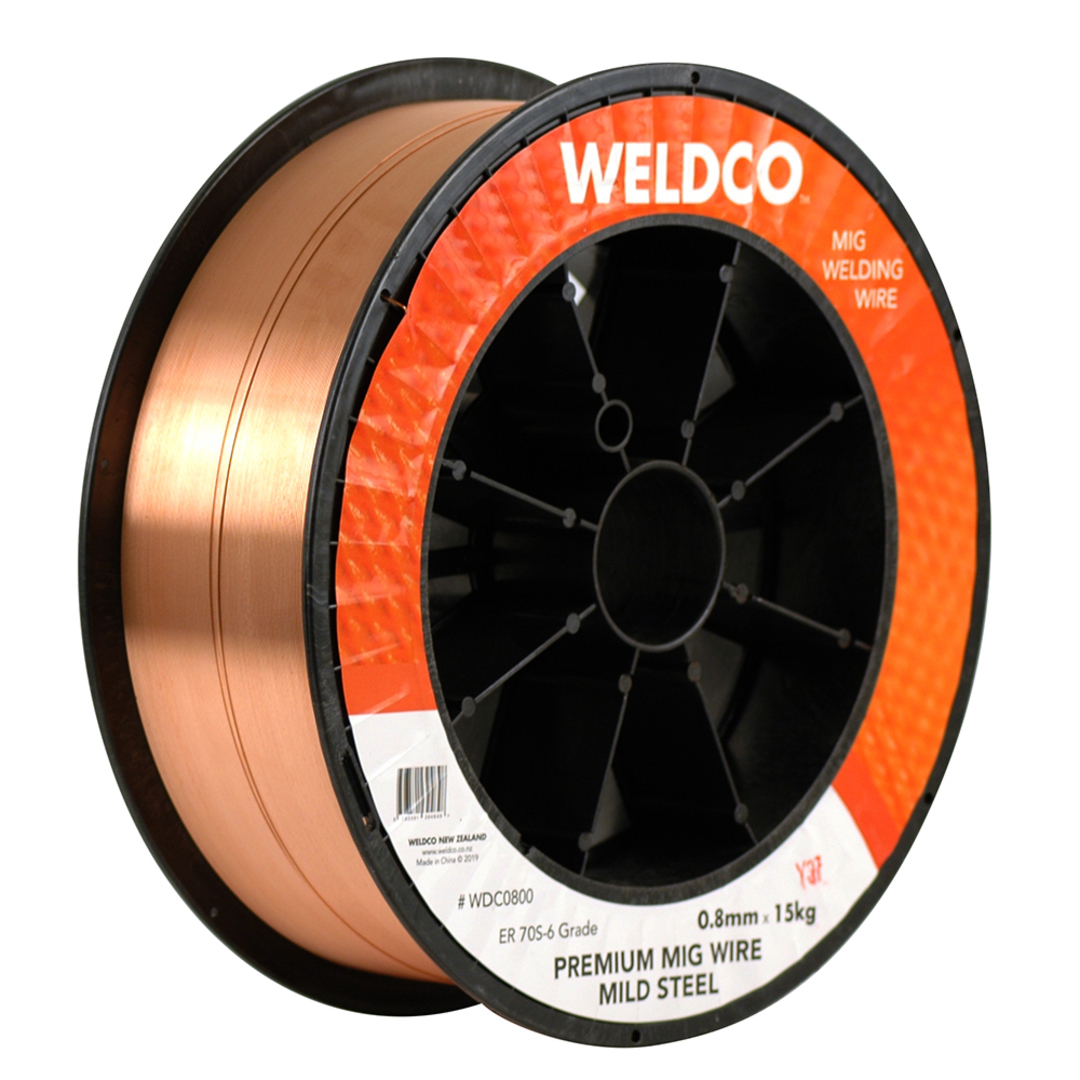
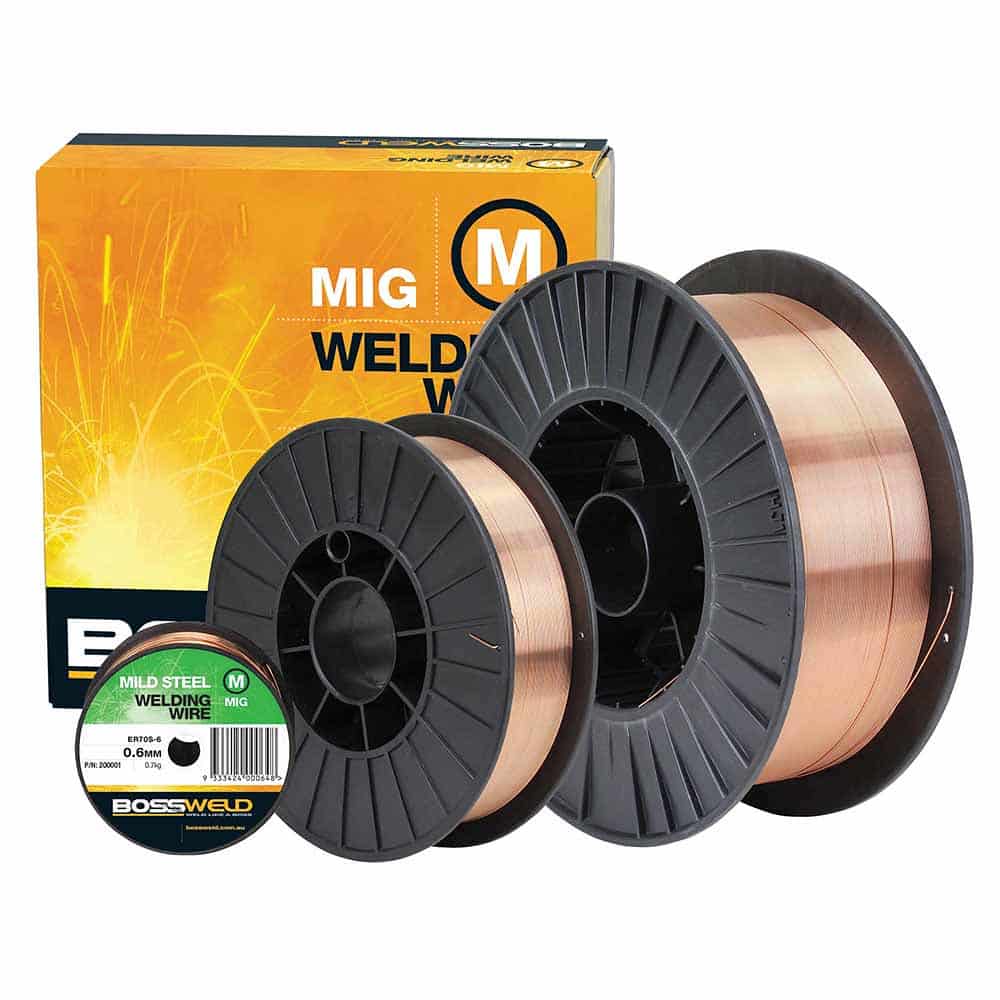
When we talk about variations, you'll mostly encounter different diameters and spool sizes. The most common mild steel MIG wire for hobbyists and home use is the ER70S-6 designation. This is your go-to, all-purpose wire that works beautifully with a shielding gas like CO2 or an Argon/CO2 mix (often called C25). You'll typically find it in diameters like 0.023", 0.030", or 0.035", with the smaller sizes being better for thinner materials and the larger for thicker. There's also flux-cored wire (often called gasless wire), which doesn't require an external gas bottle and is great for outdoor work or windy conditions, though it usually creates more spatter and requires a bit more cleanup.
Ready to get started? Here are some simple, practical tips: First and foremost, safety is paramount! Always wear a proper auto-darkening welding helmet, heavy-duty gloves, a long-sleeved jacket, and safety glasses underneath your helmet. Make sure your workspace is well-ventilated. Second, cleanliness is key. Always weld on clean metal – remove rust, paint, and grease with a grinder or wire brush for the best results. Third, start with your welder's recommended settings for your wire size and material thickness, then fine-tune as needed. Don't be afraid to experiment on scrap pieces! Finally, practice makes perfect. Run consistent beads on scrap metal, focusing on your travel speed, the angle of your gun, and your wire stick-out (the length of wire protruding from the nozzle). Before you know it, you'll be laying down strong, beautiful welds.
Diving into MIG welding with mild steel wire is truly an empowering experience. There's an incredible sense of accomplishment that comes from joining pieces of metal together to create something durable and functional. It's a skill that sparks creativity, builds confidence, and opens up endless possibilities for making, fixing, and building. So, grab some wire, put on your gear, and discover the joy of creating with fire and steel!