
Mig Welding Wire Size Chart
Ever found yourself gazing at a beautiful metal sculpture, or perhaps admiring the sturdy framework of a custom patio cover, and wondered about the magic that holds it all together? Chances are, MIG welding played a starring role. It’s the go-to process for many DIY enthusiasts and professionals alike, thanks to its relative ease of use and clean results. But before you can lay down those perfect beads, there’s a crucial little detail that often gets overlooked: choosing the right welding wire size.
Think of it like picking the right paintbrush for an art project, or the perfect golf club for a specific shot. You wouldn’t use a broad house painting brush for intricate details, right? The same logic applies to MIG welding wire. The correct wire size is
Finding Your Wire Zen: The Goldilocks Principle
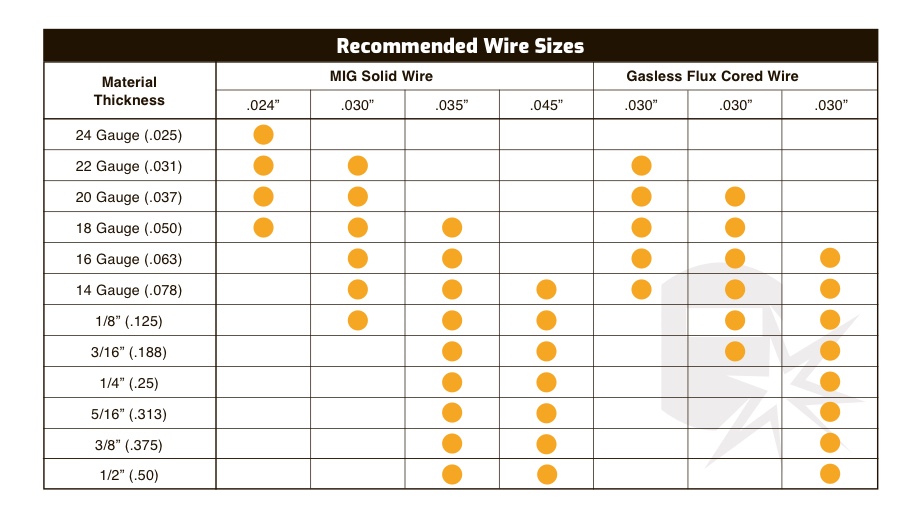
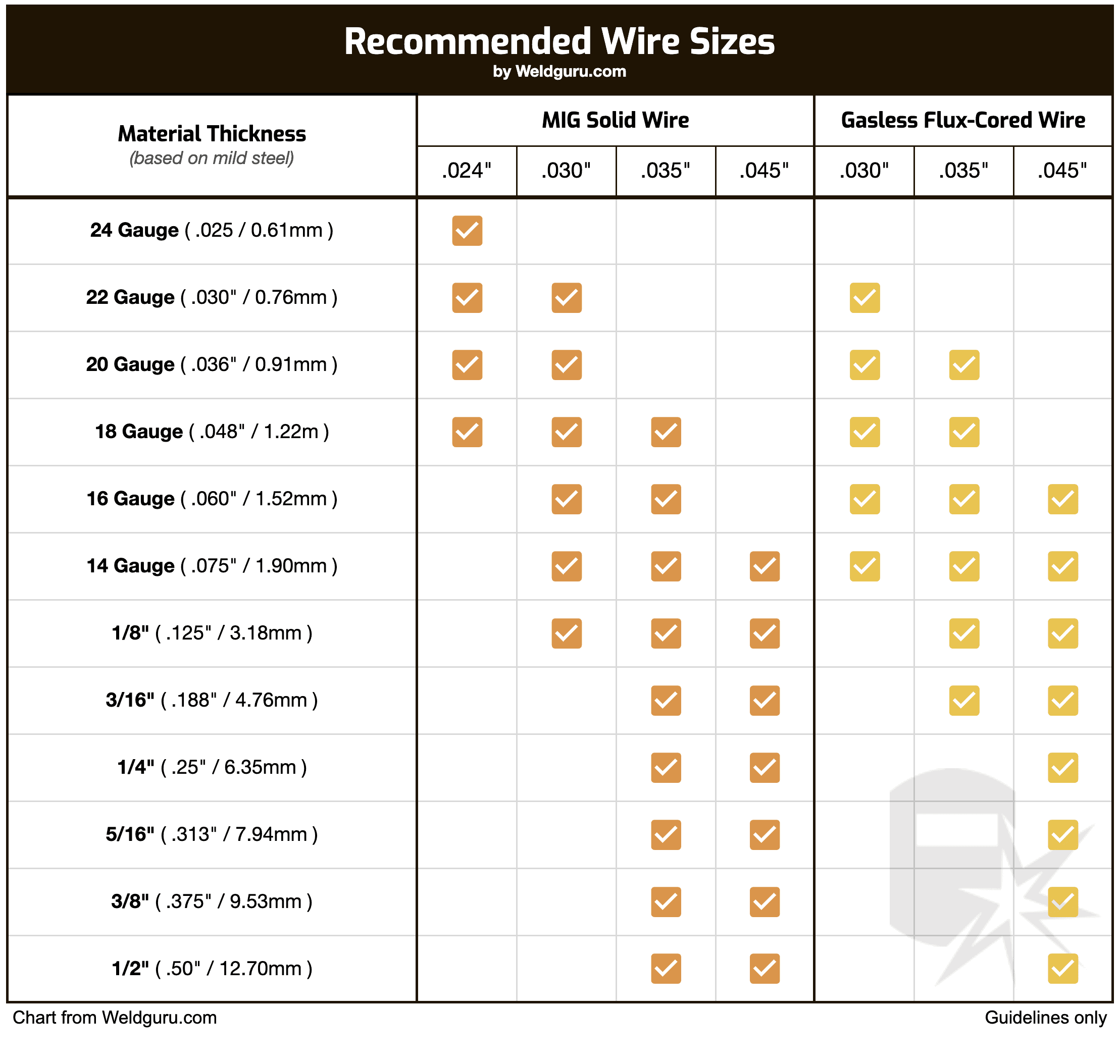
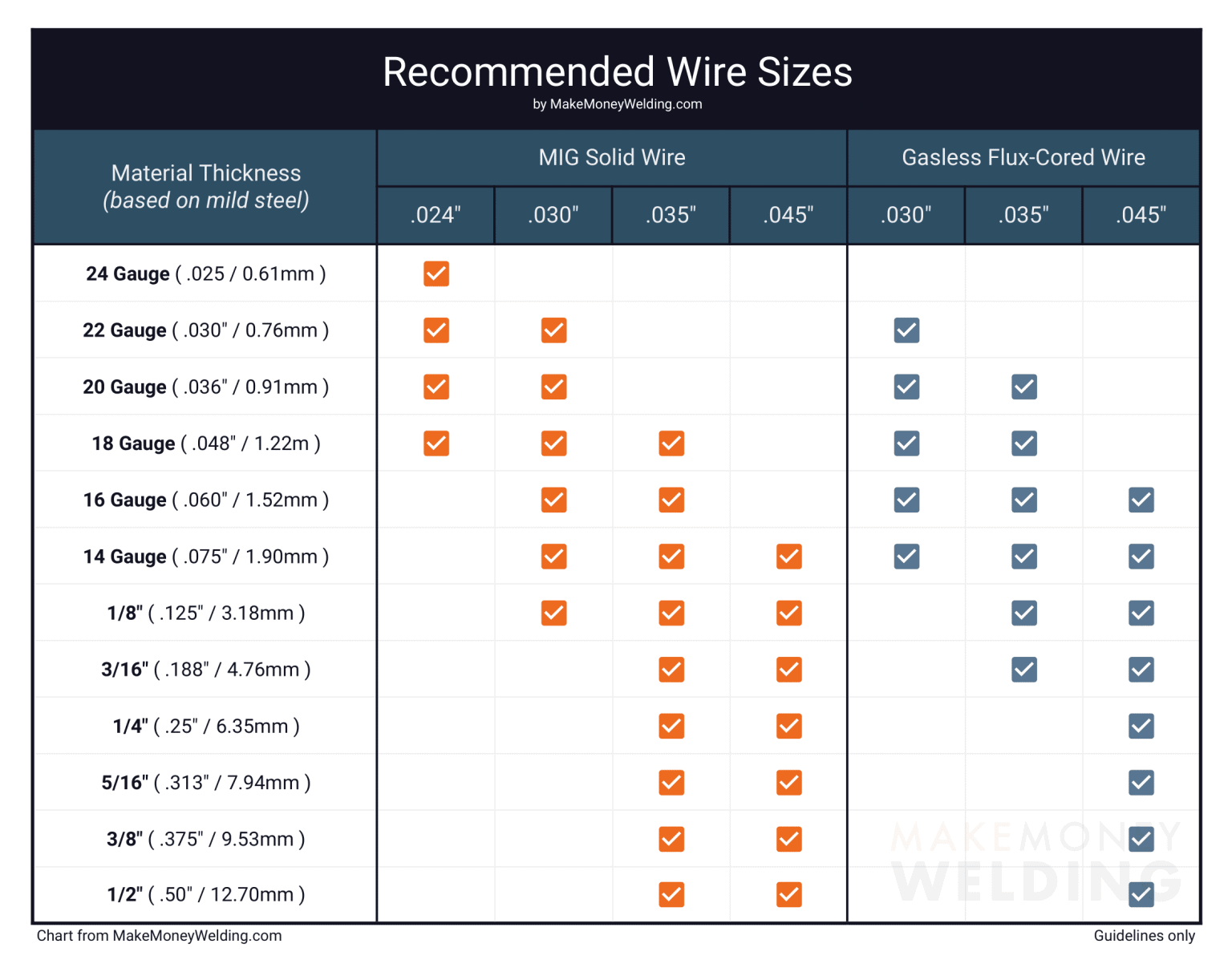
Let's demystify the MIG welding wire size chart. It's not as complex as it sounds; mostly, it’s about understanding a few key players and what they're best suited for. Most wires are measured in inches, but you'll often see millimeter equivalents too.
Must Read
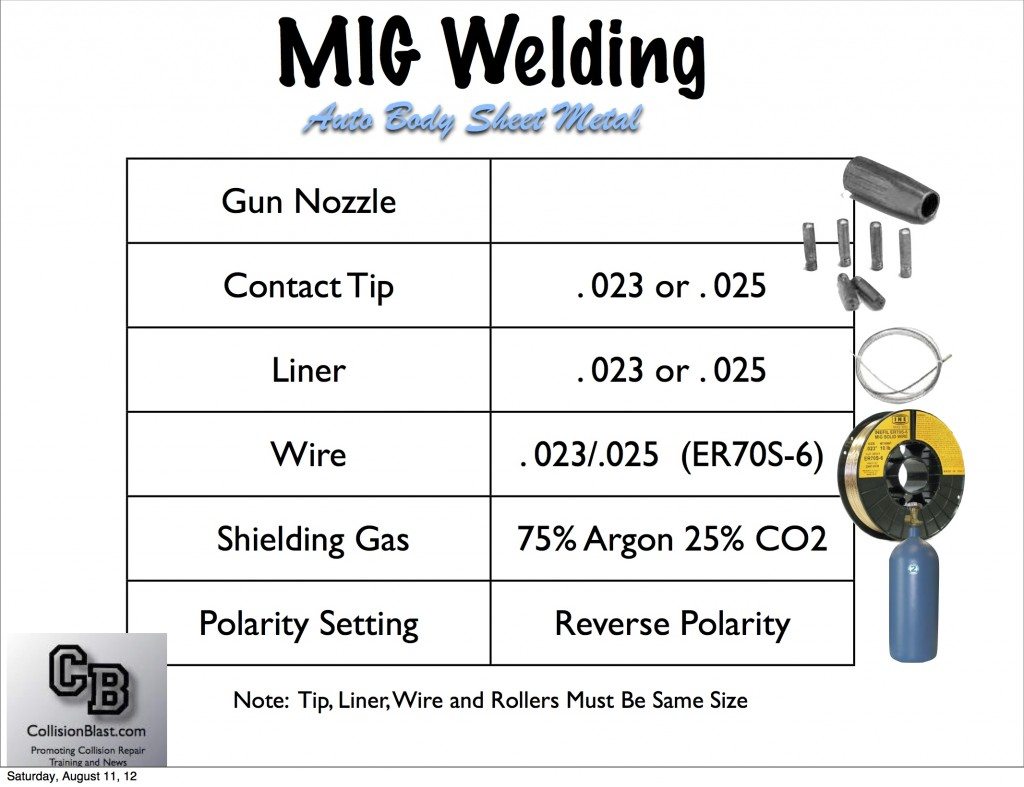
0.023" / 0.024" (0.6mm): The Featherweight Champion
This is your go-to for
0.030" (0.8mm): The Versatile All-Star
If there's a MVP in the MIG wire world, it's probably the 0.030". This size is incredibly versatile and often considered the
0.035" (0.9mm): The Workhorse
When you're stepping up to
0.045" (1.2mm) and Beyond: The Heavy Lifters
While less common for the average home welder, sizes like 0.045" and larger are typically reserved for
Smart Welding Habits: Pro Tips for Every Enthusiast
1. Match Wire to Material Thickness: This is the golden rule. Thin metal, thin wire. Thick metal, thicker wire. An oversized wire on thin material is a recipe for burn-through (think Swiss cheese metal).
2. Check Your Machine's Capacity: Your MIG welder's manual will specify the range of wire sizes it can handle. Don't try to force a thick wire through a machine designed for thin stuff; it's like trying to put a square peg in a round hole!
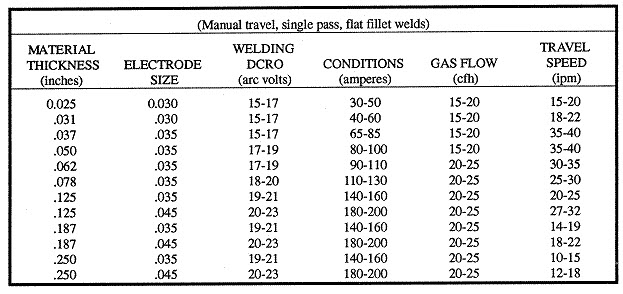
3. Gas vs. Gasless (Flux-Cored): If you're using flux-cored wire (the "gasless" option, great for outdoor work and rusty metal), these wires often perform better in slightly larger diameters than solid wire for the same application, due to their unique arc characteristics.
4. Wire Type Matters: Remember, you'll also choose between steel, stainless steel, aluminum, or bronze wires, depending on the base metal you're joining. But that's a whole other adventure!
5. Practice Makes Perfect: Always run a few
6. Storage is Key: Keep your welding wire in a
The Takeaway: Small Choices, Big Impact
Choosing the right MIG welding wire size might seem like a small detail in the grand scheme of things, but it’s one of those foundational elements that truly makes a difference. Just like a well-chosen outfit boosts your confidence, or the perfect spice blend elevates a dish, the correct wire size sets you up for success, ensuring your welds are not just strong, but also look professional and clean. It’s a testament to how paying attention to the details, however small, can lead to wonderfully satisfying results in any craft—or indeed, in life itself. So go forth, choose wisely, and make some sparks fly!