Metric Tons Vs Short Tons
There's something inherently satisfying about understanding big numbers, especially when it comes to weight. We casually toss around terms like "a ton" when describing anything from a hefty car to a mountain of laundry. But have you ever paused to consider that not all "tons" are created equal? Delving into the world of metric tons versus short tons isn't just about memorizing conversions; it's like becoming a measurement detective, unraveling a global puzzle that keeps commerce flowing and projects on track. It's an often-overlooked area that, once understood, adds a layer of fascinating clarity to the world around us.
Understanding these different "tons" might seem like an academic exercise, but its purpose in everyday life is surprisingly fundamental. For starters, it's the bedrock of international trade and shipping. Imagine the chaos if a cargo ship's manifest listed "tons" without specifying which kind! Accurate weight measurement ensures fair pricing for commodities, safe loading of vehicles and vessels, and precise calculations for engineering and construction projects. Whether it's ordering a bulk shipment of raw materials or understanding the capacity of a storage facility, knowing your tons prevents costly mistakes and logistical nightmares. It’s about speaking the same weight language, no matter where you are on the globe.
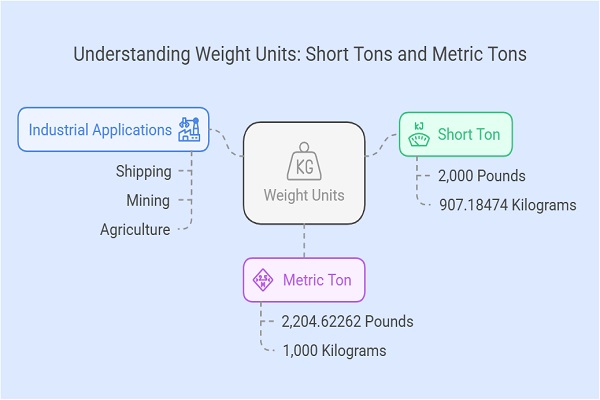
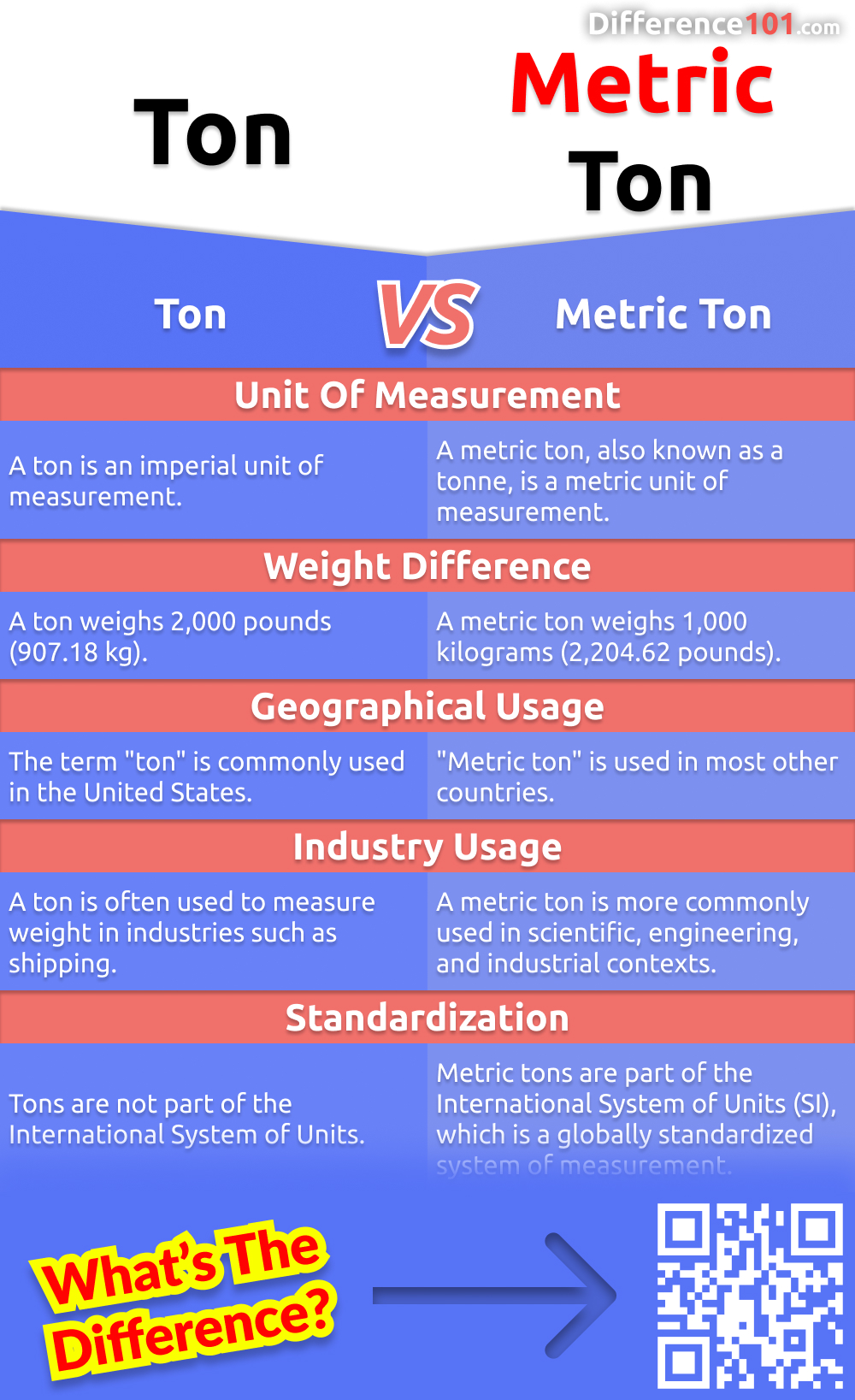
So, let’s unpack the two main players you're likely to encounter. First, there's the Metric Ton, also known as a tonne (pronounced the same as "ton"). This is the international standard, widely used across most of the world and in scientific contexts. It’s wonderfully straightforward: one metric ton equals 1,000 kilograms, which translates to approximately 2,204.6 pounds. You’ll find it applied to global commodity prices (like steel or grain), shipping container capacities, and virtually anything crossing international borders. If you’re dealing with a company in Europe, Asia, or Canada, they’re almost certainly talking metric tons.
Must Read
Then we have the Short Ton. This is primarily used in the United States and is the "ton" you most often hear in American domestic contexts. It’s based on the imperial system of measurement: one short ton equals 2,000 pounds. You'll encounter short tons when discussing the weight of large trucks, coal production, scrap metal, or freight within the U.S. Notably, the U.S. short ton is lighter than the metric ton. Just to add another layer, there's also the "Long Ton" (2,240 pounds), predominantly used in the UK for specific applications, but it's less common in general discourse compared to its two siblings.
How can you enjoy this measurement knowledge more effectively and avoid confusion? The key is context and conversion. Firstly, always check the region or industry you're dealing with. If it's U.S. domestic, assume short tons. If it's international, scientific, or from almost any other country, lean towards metric tons. Secondly, look for clues: "tonne" or "MT" (for Metric Ton) are strong indicators. Thirdly, and perhaps most importantly, remember the conversion: a metric ton is roughly 10% heavier than a short ton. Keep a quick conversion factor in mind: 1 metric ton ≈ 1.1 short tons, or conversely, 1 short ton ≈ 0.9 metric tons. With a little awareness, you'll become adept at navigating these weighty differences, making you a more informed consumer, a sharper business mind, and a true global measurement guru. It's a small detail, but one that opens up a clearer understanding of our interconnected world!