
Metals Nonmetals And Semimetals On The Periodic Table
Ever looked at the Periodic Table and felt a little overwhelmed? Don't worry, you're not alone! It's like a giant, colorful puzzle that holds the secrets to, well, basically everything around us.
But guess what? It's actually super fun once you get the hang of it. Let's dive into the amazing world of metals, nonmetals, and semimetals – the rockstars of the element world!
Metals: The Shiny Showoffs
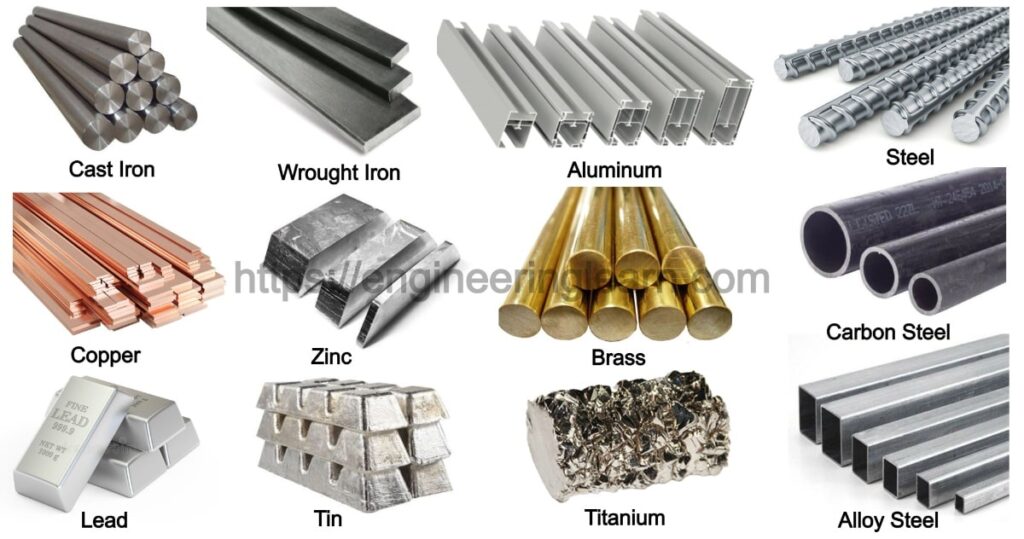
Think of metals as the popular kids in class. They're shiny, strong, and love to share. They're excellent conductors of electricity and heat. That means they let energy zoom through them like a race car!
Must Read
Imagine a copper wire powering your phone. Or a silver spoon reflecting light at dinner. That's metals in action, showing off their amazing abilities!
We use metals for everything! From building skyscrapers with steel (an alloy of iron) to creating delicate jewelry with gold and silver, they are essential for modern life. Who wouldn't want to be a metal?
The Many Talents of Metals
These guys are more than just shiny! They’re masters of transformation. They can be molded, stretched, and hammered into different shapes without breaking.
This property, called malleability, is why we can create everything from car bodies to intricate statues. Ductility is another superpower, allowing metals to be drawn into wires for electrical transmission. Talk about being flexible!
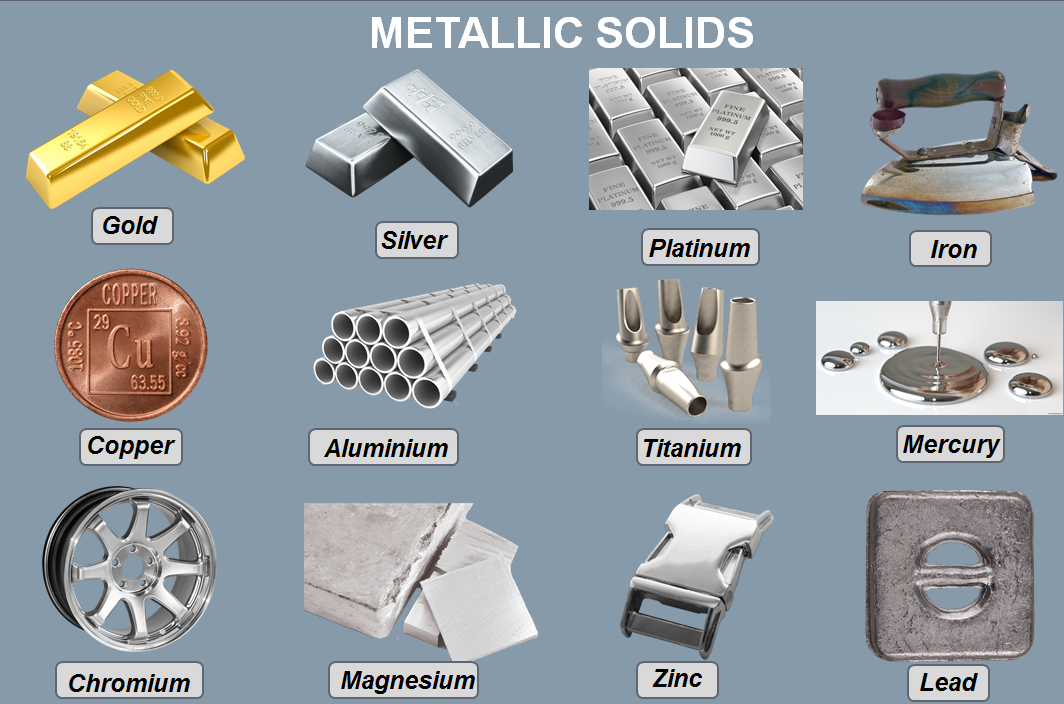
And don't forget corrosion! Some metals, like iron, can rust when exposed to air and water. But clever scientists have found ways to protect them. For example, stainless steel resists corrosion. You see? They are always full of surprises!
Nonmetals: The Mysterious Mavericks
Now, let's meet the nonmetals. These elements are the opposite of metals in many ways. They are often dull-looking and brittle.
They also don't conduct electricity or heat very well. Think of them as the introverted artists of the Periodic Table. They have a different kind of charm!
Nonmetals may not be as flashy as metals, but they are incredibly important. They are the building blocks of life! Think of carbon, oxygen, nitrogen, and hydrogen – all essential for everything from breathing to growing plants.
The Essential Role of Nonmetals
Nonmetals are masters of forming compounds. They bond with other elements to create a huge variety of molecules. Water (H2O), carbon dioxide (CO2), and sugar (C6H12O6) are all examples of compounds made with nonmetals.

Chlorine keeps our swimming pools clean, while iodine disinfects wounds. Sulphur is used in the manufacturing of rubber. These nonmetals have significant roles in our society.
While they might not conduct electricity like metals, some nonmetals have other unique properties. Carbon, for example, can form diamonds. Diamonds are one of the hardest materials known to humankind! So much for being introverted!
Semimetals: The Versatile Switch-Hitters
And now, for the most interesting of all, the semimetals! Also known as metalloids, these elements are the chameleons of the Periodic Table. They have properties of both metals and nonmetals.
Depending on the conditions, they can act like either one. This makes them incredibly versatile and valuable in modern technology. Imagine that! They are the ultimate shape-shifters!

Silicon, germanium, and arsenic are common examples of semimetals. They are essential components in semiconductors, the tiny switches that control the flow of electricity in computers and smartphones. Without semimetals, our digital world would simply not exist!
The Power of Semiconductors
The ability of semimetals to control electrical conductivity is what makes them so special. By adding small amounts of impurities, scientists can fine-tune their properties. This allows them to create transistors, diodes, and other essential components.
These components are the heart of modern electronics. These tiny marvels make it possible for us to do everything from browsing the internet to launching rockets into space. Who knew such small elements could have such a big impact?
Semimetals are also used in solar panels to convert sunlight into electricity. As we search for cleaner and more sustainable energy sources, semimetals will continue to play a vital role. So, remember to thank the semimetals for powering our future!
Why It's All So Entertaining
The Periodic Table isn't just a boring chart. It's a treasure map filled with fascinating stories and surprising connections. From the shiny strength of metals to the essential role of nonmetals and the versatile nature of semimetals, each element has its own unique personality and contribution to make.

Understanding these elements helps us understand the world around us. It helps us appreciate the incredible diversity of matter.
So, next time you glance at the Periodic Table, don't just see a bunch of symbols and numbers. See a cast of characters ready to play their part in the drama of chemistry! It's a story worth exploring. It is a journey that can change the way you see everything!
Ready to Explore?
Want to learn more about the Periodic Table? There are tons of resources available! Check out online databases, documentaries, and even interactive games.
Experiment with household items to see how different elements behave. You can witness the magic of chemistry firsthand! Explore the world, explore the elements and maybe you will discover a whole new world.
The world of elements is waiting to be discovered. The Periodic Table is the key to unlocking its secrets. Who knows? You might just become the next great element explorer!