
Mercedes Benz Mass Air Flow Sensor
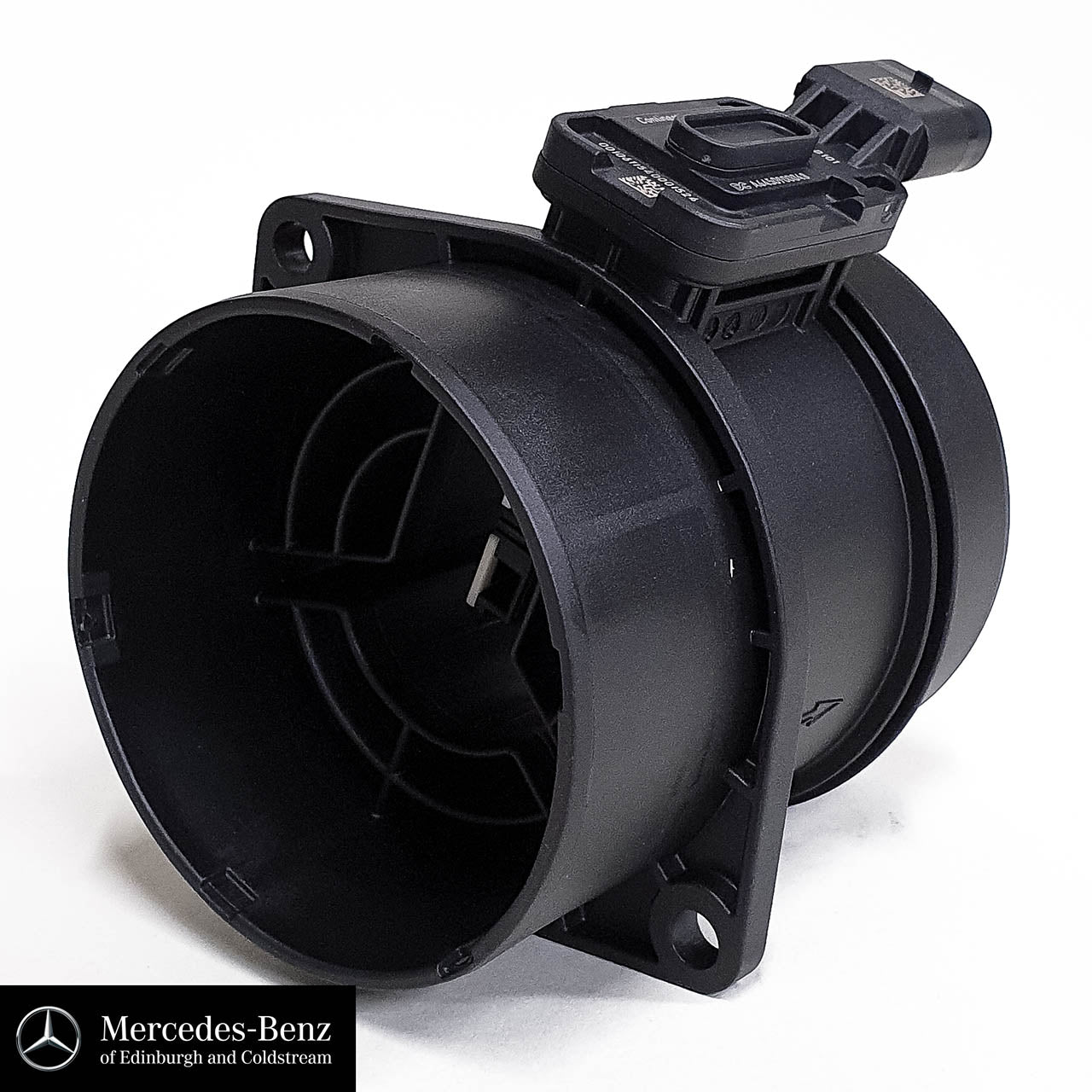
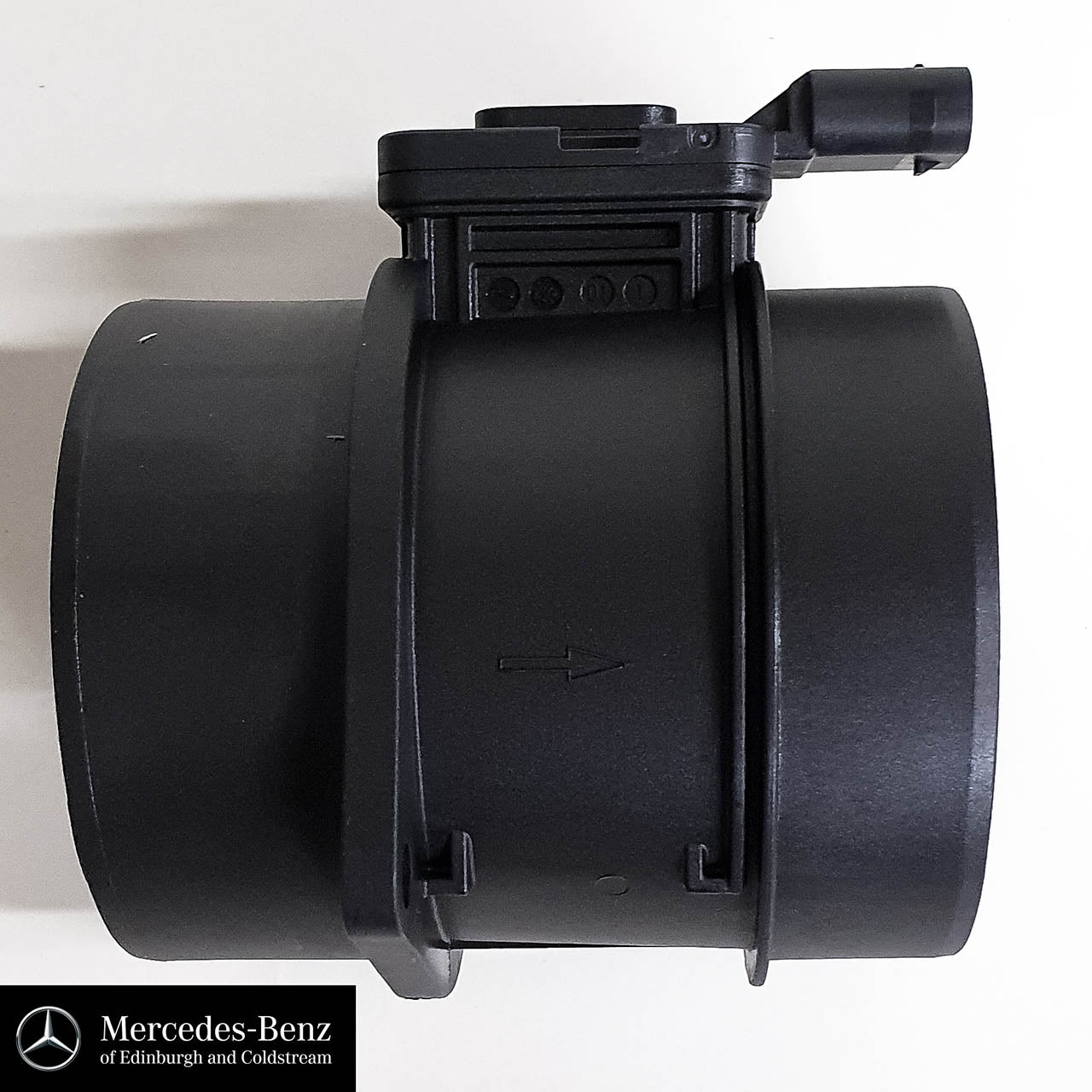
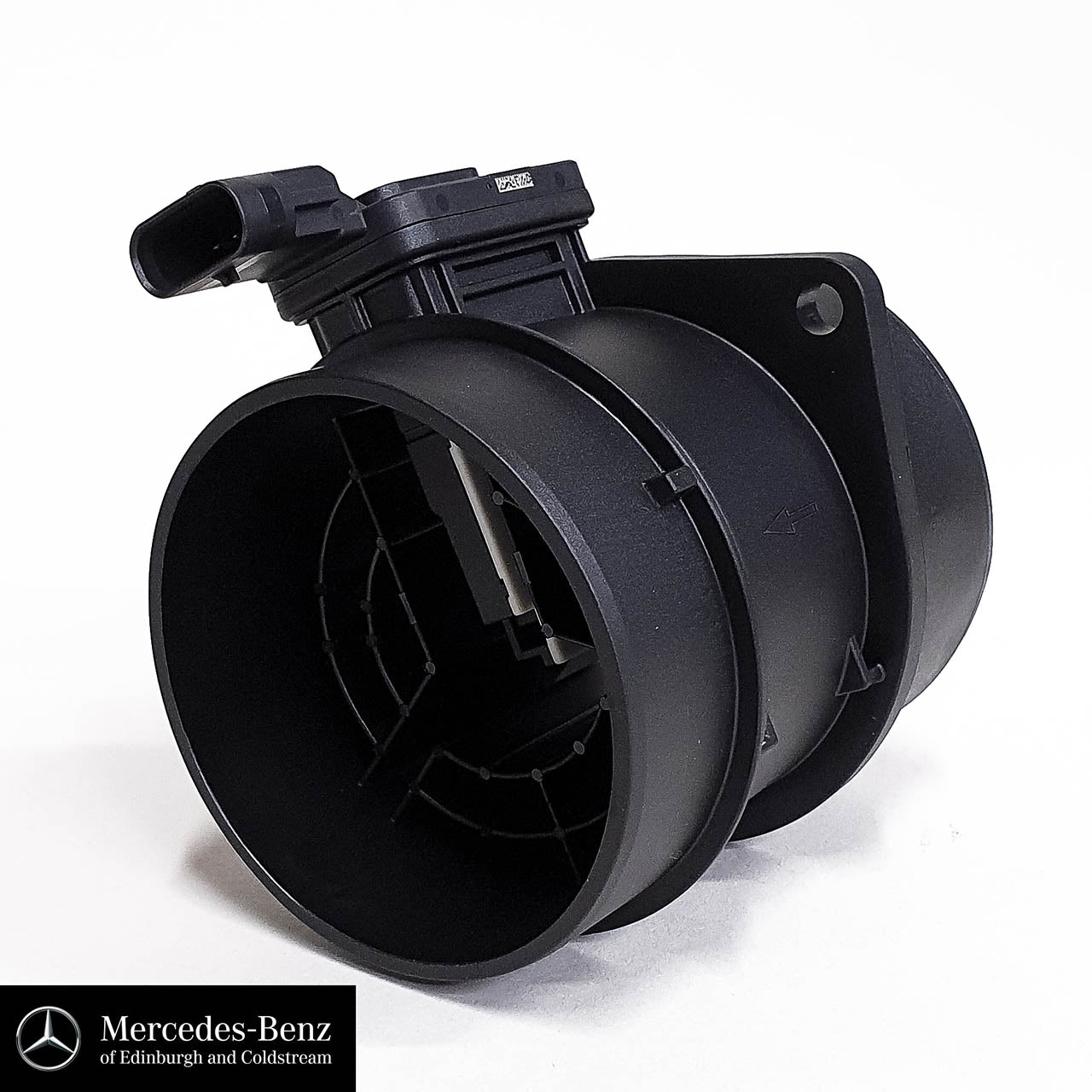
Let's talk about a tiny hero that lives inside many Mercedes-Benz vehicles, a hero you probably never think about until it throws a tantrum: the Mass Air Flow (MAF) Sensor.
Think of it as your car's personal weatherman, but instead of predicting rain, it measures how much air your engine is gulping down.
Why is this little gadget so important? Well, it's all about balance – the perfect mix of air and fuel for your engine to purr like a happy kitten (or roar like a majestic lion, depending on your driving style).
Must Read
The MAF Sensor's Midlife Crisis
Now, MAF sensors aren't immortal. Like us, they can get a little cranky with age. Imagine spending your entire life inhaling exhaust fumes – you'd get a bit congested too, right?
When a MAF sensor starts acting up, things can get… interesting. Your usually smooth-driving Mercedes might start hesitating, like it's forgotten how to accelerate.
Or, even worse, it might stall completely, leaving you stranded and contemplating the existential dread of car ownership.
The Curious Case of the Erratic Idle
One of the classic signs of a failing MAF sensor is a wildly fluctuating idle. The engine revs up and down like it's trying to breakdance, even when you're not touching the gas pedal.
It's like your car is trying to tell a joke, but the punchline never arrives. You might find yourself chuckling nervously at the absurdity of it all.
A mechanic friend of mine once described it as "a symphony of mechanical hiccups." I couldn't have put it better myself!
The Fuel Economy Fiasco
Another telltale sign is a sudden drop in fuel economy. Suddenly, you're filling up your tank more often than you visit your favorite coffee shop.
It's like your car has developed a secret addiction to gasoline, and your wallet is feeling the pain. You start calculating the cost of each mile, wondering if you should just start walking everywhere.
Of course, there could be other reasons for bad gas mileage, but a faulty MAF sensor is definitely a prime suspect.
The Adventures of Sherlock Holmes and the Missing Air
Diagnosing a MAF sensor issue can sometimes feel like a detective story. You have to gather clues, analyze the evidence, and deduce the culprit.
Is it the MAF sensor itself? Or could it be a vacuum leak, a faulty oxygen sensor, or some other gremlin lurking in the engine bay?
Fortunately, modern technology provides some assistance. A mechanic can use a diagnostic tool to read the car's computer and see if it's throwing any error codes related to the MAF sensor.
The DIY Dilemma: To Replace or Not to Replace?
Replacing a MAF sensor is often a relatively straightforward job, something that even a moderately skilled DIY enthusiast can tackle. However, there are a few things to keep in mind.
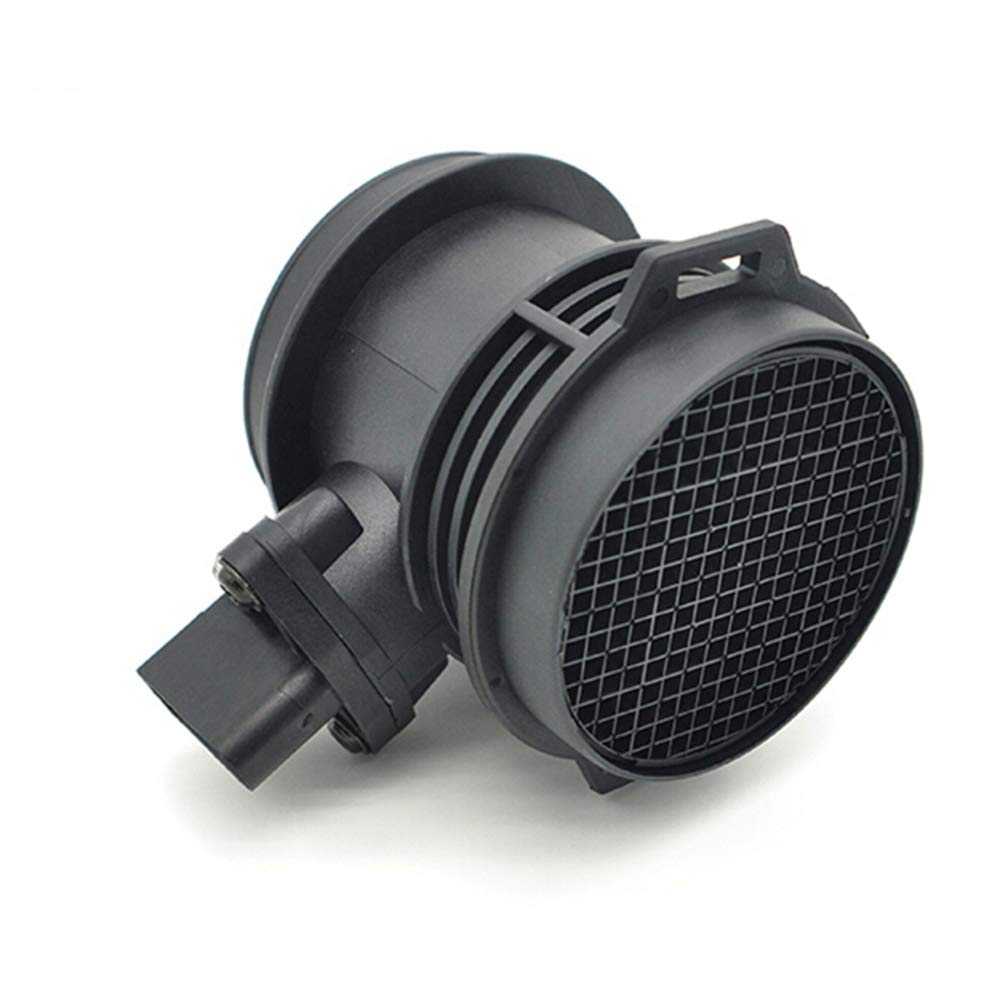
First, make sure you buy the correct MAF sensor for your specific Mercedes-Benz model. Not all MAF sensors are created equal, and using the wrong one can cause even more problems.
Second, be careful when handling the sensor. It's a delicate piece of equipment, and you don't want to damage it during installation.
Of course, if you're not comfortable working on your car yourself, it's always best to take it to a qualified mechanic.
The MAF Sensor: A Love Story?
Okay, maybe "love story" is a bit of an exaggeration. But there's something strangely satisfying about understanding how this little sensor works and how it contributes to your car's performance.
It's a reminder that even the smallest parts can play a crucial role in the overall functioning of a complex machine. It makes you appreciate the engineering marvel that is your Mercedes-Benz.
And when you finally replace that faulty MAF sensor and your car starts running smoothly again, you'll feel a sense of accomplishment and gratitude towards this unsung hero of the automotive world.
The Moral of the Story
So, the next time you're driving your Mercedes, take a moment to appreciate the little MAF sensor working tirelessly under the hood.
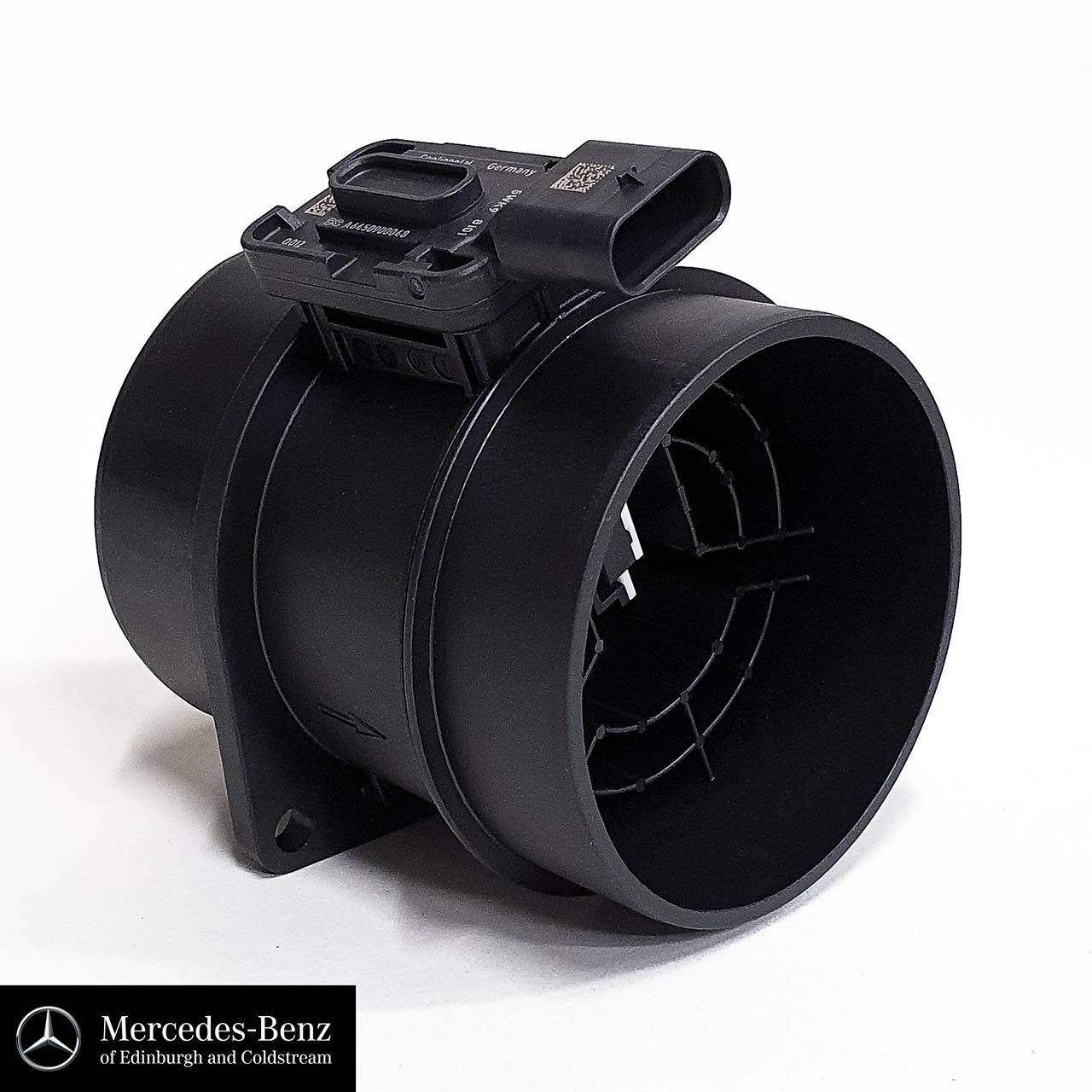
It might not be the most glamorous part of your car, but it's essential for keeping your engine running smoothly and efficiently.
And if your car ever starts acting up, remember the signs of a failing MAF sensor: erratic idle, poor fuel economy, and a general lack of pep. It might just save you a trip to the mechanic!
The End (for now)
The world of automotive sensors is vast and complex, but hopefully, this little glimpse into the life of the MAF sensor has been both informative and entertaining.
Until next time, happy driving!
And remember, always keep an eye on your car's "weatherman." You never know when it might start forecasting trouble.