
Max Wind Speed For Wind Turbines

Imagine a breezy day, that perfect kind of wind that just rustles the leaves and feels utterly refreshing. It's the same kind of wind that gets those majestic giants, the wind turbines, gracefully spinning, turning nature's breath into clean energy. They stand tall, elegant sentinels on our landscapes, humming with purpose. But have you ever paused to wonder: What happens when that gentle breeze turns into a raging tempest? When does the wind go from being a helpful friend to a potential foe for these towering structures? Let's dive into the fascinating world of how wind turbines manage the wildest of winds.
The Wind's Sweet Spot
Think of it like Goldilocks finding her perfect porridge. Wind turbines aren't just looking for any wind; they're looking for the right wind. They typically kick into gear, or "cut in," when wind speeds reach around 6 to 9 miles per hour (about 3 to 4 meters per second). This is just enough to get those massive blades rotating and generating electricity efficiently.
As the wind picks up, so does their power output, hitting their sweet spot, or "rated power," typically between 25 to 35 mph (11 to 15 m/s). It’s a beautifully engineered dance with the elements, designed for optimal performance and maximum energy capture. They're built to be efficient workhorses, not just pretty faces.
Must Read
When the Wind Gets Wild: The Cut-Out Speed
Now, for the big question: what's their limit? Every wind turbine has what's called a cut-out speed. This is the wind speed at which the turbine intelligently decides it's time to take a break and power down. It’s a crucial safety mechanism, kind of like knowing when to pull over in a fierce storm. For most utility-scale turbines, this speed is around 55 mph (25 m/s), which is roughly equivalent to a strong gale or the lower end of a hurricane's wind speed. Some robust, specialized turbines might have a cut-out speed as high as 90 mph, depending on their design and location.
But why do they cut out? It’s not because they’re fragile. Quite the opposite! It's about preventing unnecessary wear and tear and safeguarding the turbine from potential damage. Operating in excessively high winds would put immense stress on the blades, gearbox, and tower, leading to costly maintenance or even structural failure. It's a pragmatic decision to ensure their longevity and reliable operation, much like taking your car in for a check-up before a long road trip.

The Smart Shutdown Sequence
So, how do these giants gracefully bow out of the windy arena? It’s a marvel of modern engineering. First, sensors called anemometers constantly measure wind speed. When the cut-out threshold is met, the turbine's internal computer system springs into action.
The most common method is called pitching the blades. Imagine turning your hand so it's flat against the wind; that creates a lot of drag. Now, rotate your hand so it's edge-on to the wind; much less resistance, right? Turbines do something similar. Their blades, which are aerodynamic marvels, rotate along their axis to present their narrowest profile to the wind. This significantly reduces the aerodynamic forces acting on them and slows them down.

Once pitched, the blades effectively "feather" or "stall" out, losing their ability to capture energy. Then, powerful mechanical brakes, similar to those in a car, engage to bring the rotor to a complete stop, securing it in place. It's a smooth, controlled shutdown designed to protect the machinery until the storm passes. Sometimes, you might see turbines completely stopped during a very windy day – that’s them safely parked, waiting for calmer skies.
Built Tough: Beyond the Cut-Out
Even when stopped, wind turbines are not defenseless. They are engineered to withstand incredible forces. Think about those breathtaking images of offshore wind farms, standing firm against colossal waves and brutal winds. Each turbine undergoes rigorous testing and certification (like Class I for high-wind sites, or Class III for lower-wind, but still robust, locations) to ensure it can endure extreme conditions, often far exceeding their operational cut-out speeds.
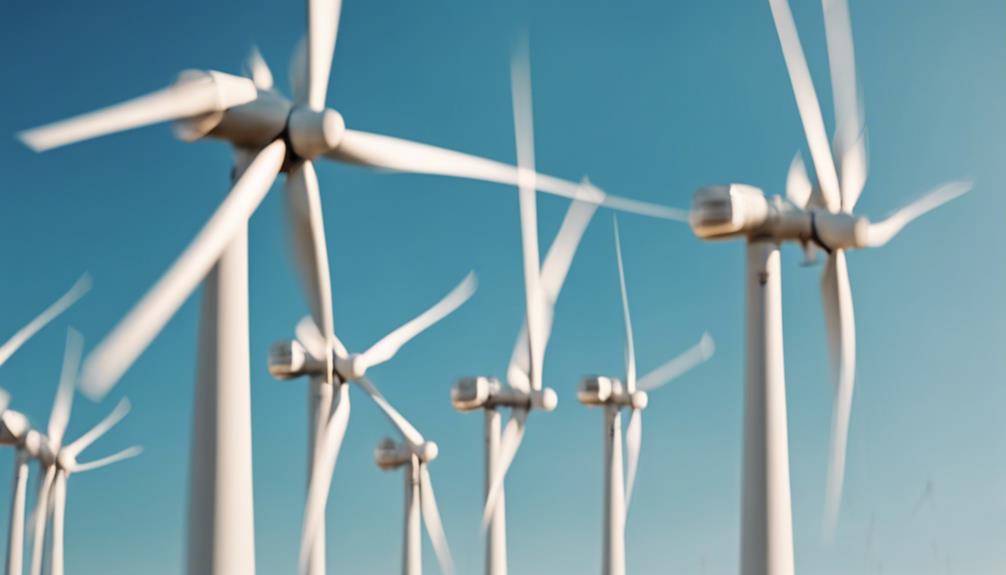
They’re designed to survive hurricane-force winds while parked, with many capable of handling winds up to 130-140 mph or more without structural damage. It’s a testament to incredible material science and structural engineering, ensuring they remain steadfast, ready to restart their important work as soon as conditions allow.
A Lesson in Balance
Ultimately, the story of a wind turbine's maximum wind speed is a beautiful narrative about balance and resilience. It's about harnessing the immense power of nature responsibly, knowing when to work hard and when to rest. Just like these towering structures, we too have our own "cut-out speeds" in life. There are moments when the pressures and demands get too intense, and we need to intelligently "pitch our blades," slow down, and take a break.
It's not about being weak, but about being smart – safeguarding our energy, preventing burnout, and ensuring our own longevity and well-being. So, the next time you see a wind turbine standing still on a blustery day, remember it's not broken; it's simply taking a wise, well-deserved pause, ready to spin into action again when the time is just right.
