
Material That's Hard To Break Down Naturally
Hey there! Grab a seat. Coffee's brewing. Let's talk trash… but not the kind you find on reality TV (though that is pretty hard to digest, isn't it?). I'm talking about actual, physical waste. The stuff we toss out every day. Ever wonder where it all goes? And, more importantly, how long it sticks around?
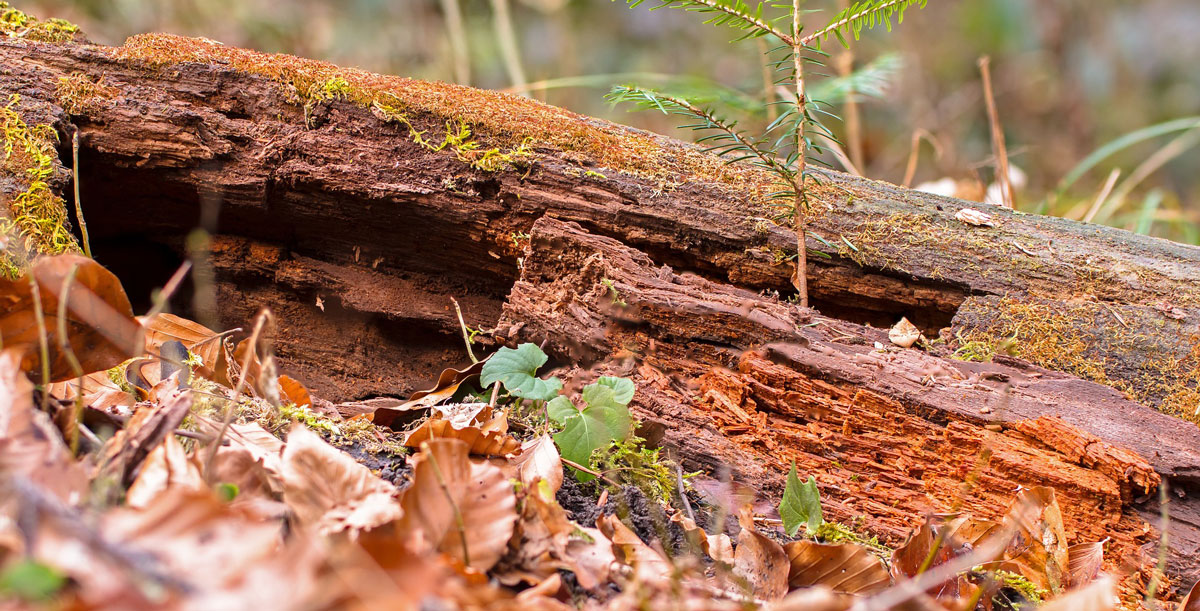
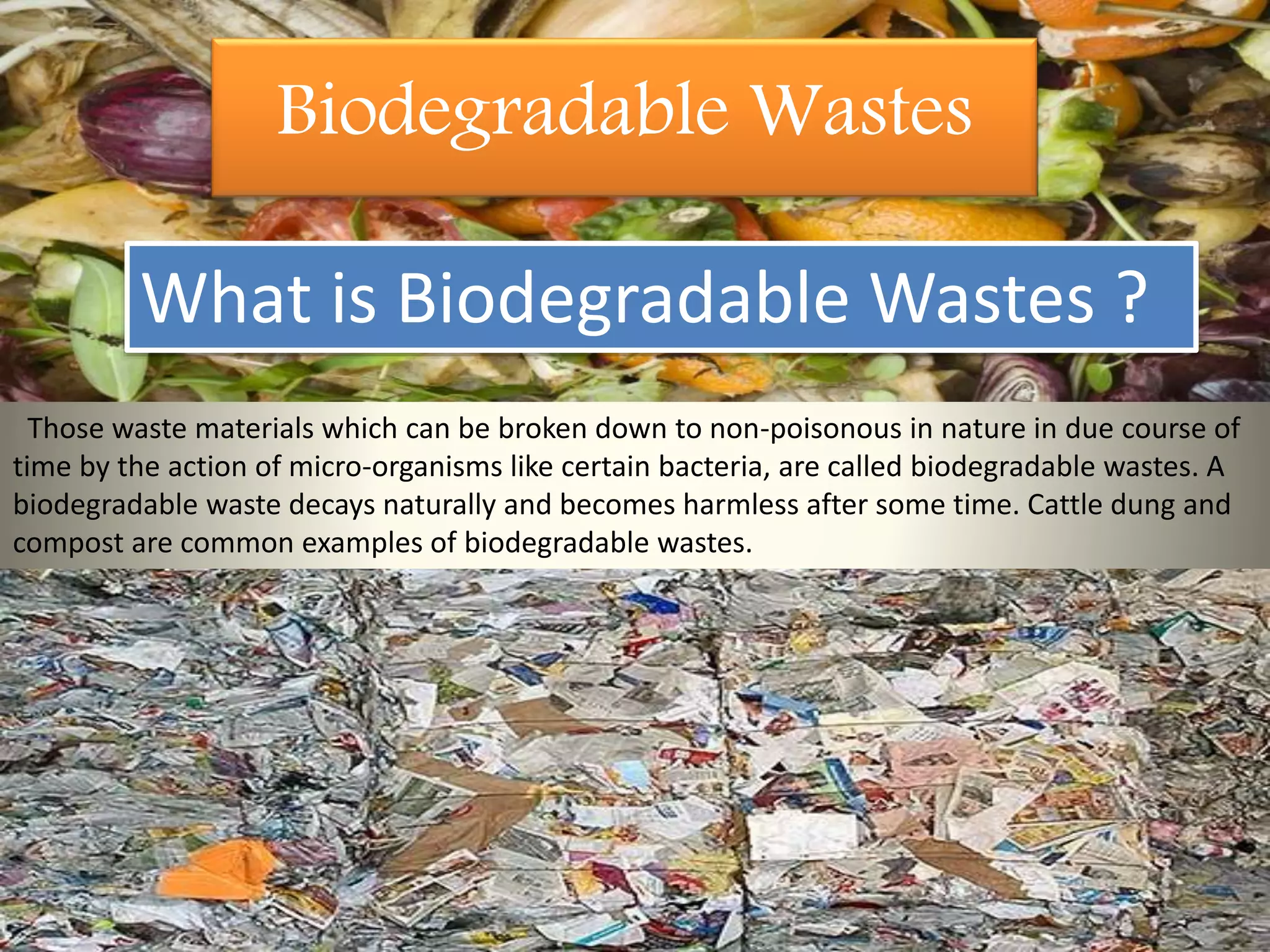
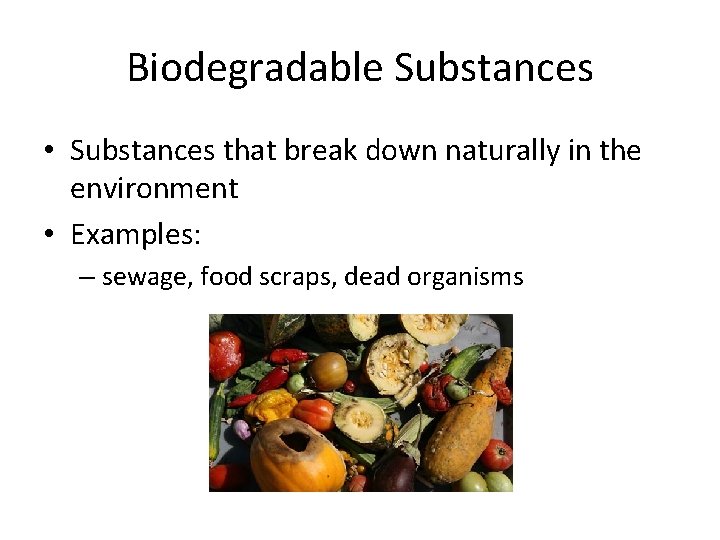
Well, some things, like banana peels and apple cores, practically vanish! Poof! Gone back to the earth. Nature’s speedy disposal service, you know? They’re biodegradable superstars. But then there's the stuff that… well, let's just say it's got staying power. Like, serious staying power.
The Undisputed Champions of Endurance
So, what are these materials that Mother Nature struggles to break down? What are the eternal emperors of the landfill? Let's dive in!
Must Read
First up: Plastic. Ah, plastic. Our love-hate relationship with this miracle (and menace) of modern convenience. Think about it: water bottles, grocery bags, food containers, toys… Plastic is everywhere. And while it's super useful, it's also a major problem. Why? Because it takes hundreds, even thousands, of years to decompose. Seriously! I mean, some plastics might be around longer than the pyramids!
Can you even imagine that? Our great-great-great- (keep adding greats!) grandchildren might be digging up our old soda bottles. Yikes!
And the worst part? As plastic breaks down (eventually!), it doesn't just disappear. It turns into tiny little pieces called microplastics. These sneaky devils get into the soil, the water, and even the air. And, guess what? We end up ingesting them. Lovely, right? So, maybe skip the plastic straw next time, eh?
Next on our list: Glass. Now, glass is kind of weird. On the one hand, it's made from natural materials like sand. On the other hand, it's practically immortal. Experts estimate that it can take a million years (yes, you read that right!) for glass to decompose. A million! That's, like, dinosaur territory!
The good news is that glass is infinitely recyclable. So, instead of tossing that empty wine bottle (responsibly enjoyed, of course!), toss it in the recycling bin. Save the planet, one glass bottle at a time! Plus, you get to feel good about yourself. Bonus!
Metal Mayhem
Okay, let's talk metal. Cans, foil, scrap metal… It’s another tough customer for Mother Nature. Aluminum cans, for example, can take 80-200 years to decompose. And other metals? Even longer! The lifespan of a metal object depends on the surrounding environment. However, it's generally a slow process that causes harmful substances to leach into the environment.
Again, recycling is the answer here. Recycling metal saves energy, reduces pollution, and prevents these materials from piling up in landfills. So, do your part and recycle those cans! Think of it as giving your grandkids a cleaner planet. They’ll thank you for it. Probably.
Things You Might Not Think About
It's not just the obvious stuff like plastic and glass, though. Some everyday items are surprisingly persistent.
For example, styrofoam (or polystyrene). That stuff is practically indestructible! It can take hundreds of years to break down. Think about all those styrofoam cups and takeout containers. Yikes! Try to avoid it whenever possible, okay?
And don't forget electronics. Old phones, computers, TVs… These are full of hazardous materials and take a very long time to decompose. Plus, they leach toxins into the environment. E-waste recycling is crucial! Find a reputable e-waste recycler in your area. It's worth the effort!
Even seemingly harmless things like diapers can stick around for centuries! Cloth diapers are a great alternative, by the way.
So, What Can We Do?
Alright, so we've established that some materials are basically immortal landfill dwellers. But what can we do about it? Are we doomed to a future buried under mountains of trash?
Absolutely not! We have the power to make a difference. Reduce, reuse, recycle. You've heard it a million times, but it's still the best advice.
Be mindful of your consumption. Choose products with minimal packaging. Buy reusable items. And, most importantly, recycle everything you can! Every little bit helps. Together, we can make a big difference. So, go forth and be a responsible consumer! The planet (and your grandkids) will thank you for it! Now, who wants another cup of coffee?