Match The Following With The Proper Ul Standard
Ever feel like you're wading through a sea of appliances, electronics, and gadgets, wondering if they're actually safe to use? Well, you're not alone! Understanding UL standards is like having a secret decoder ring for product safety. It might sound dry, but trust me, it's surprisingly empowering. Think of it as a fun puzzle: matching products with the right safety criteria to ensure everything's working as it should. It's like being a mini safety detective, and who doesn't love a good mystery solver?
The Underwriters Laboratories (UL) is a globally recognized organization that tests and certifies products for safety. They set the standards that manufacturers follow to ensure their products are safe for consumers. For beginners, understanding this means peace of mind. You can confidently choose products knowing they've met certain safety benchmarks. For families, it's about protecting your loved ones. Imagine ensuring your kids' toys, your kitchen appliances, and even your holiday lights meet the strictest safety requirements. For hobbyists tinkering with DIY electronics or home improvements, understanding UL standards is crucial for avoiding potential hazards and creating safe, reliable projects. It's about taking your passion seriously and doing it responsibly.
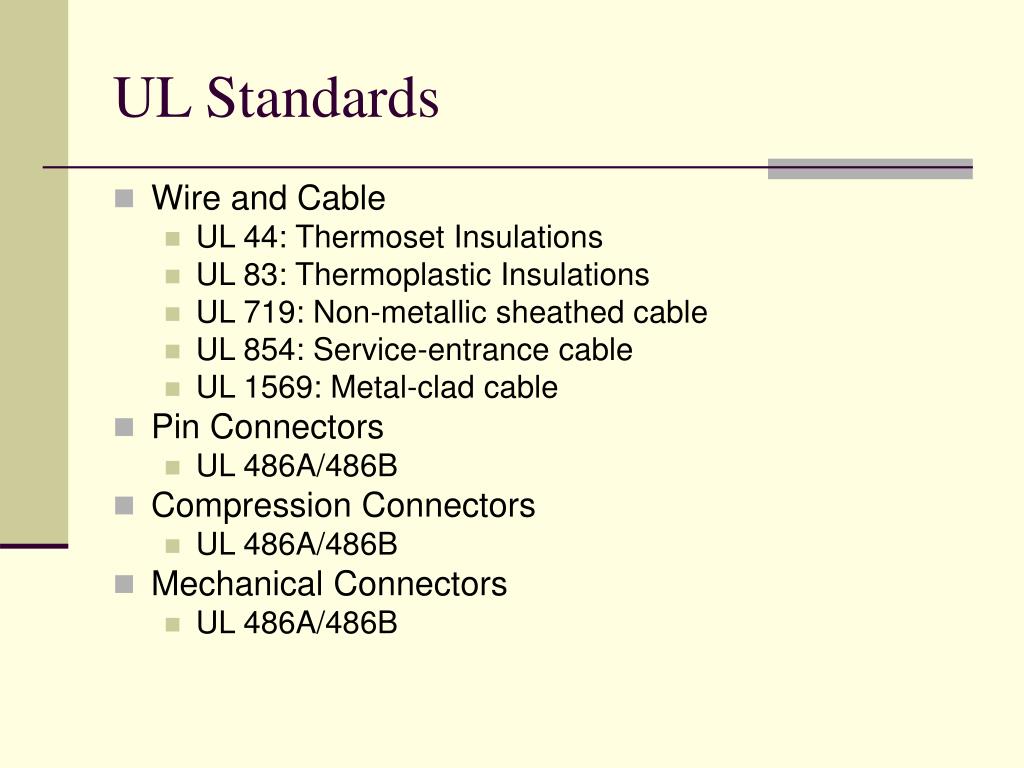
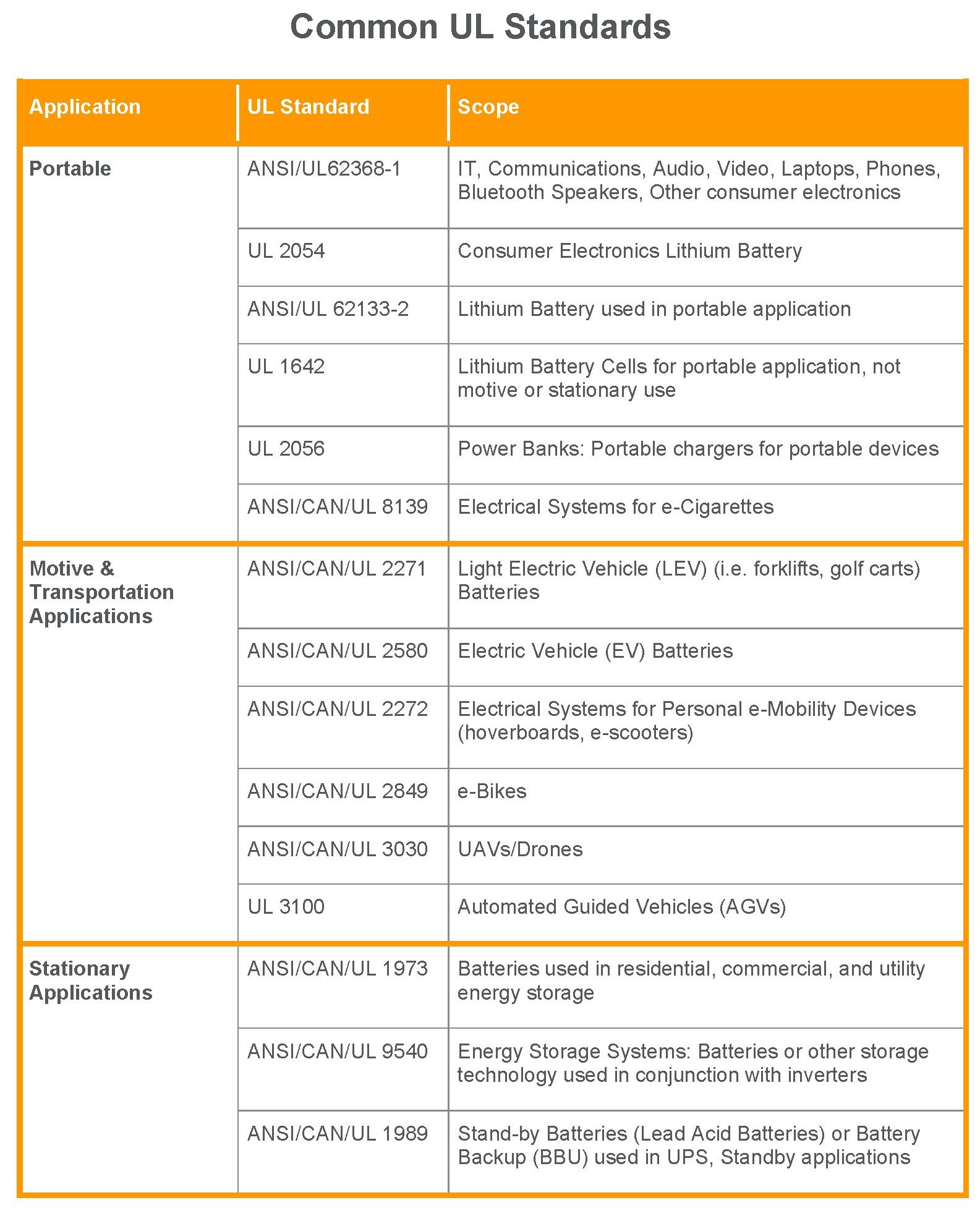
Let's look at some examples. A common one is UL 60950-1, which covers the safety of information technology equipment. Think computers, printers, and networking devices. Then there's UL 498, focusing on attachment plugs and receptacle. Basically, your everyday wall plugs! For lighting, you might come across UL 1598, covering luminaires, which are complete lighting fixtures. There are countless others, each tailored to specific product types. You might even encounter variations within a standard, addressing specific features or functionalities. For instance, a regular power strip might just need to fulfill basic safety requirements, but a surge protector version will need to meet a different UL standard that covers surge protection functionality.
Must Read
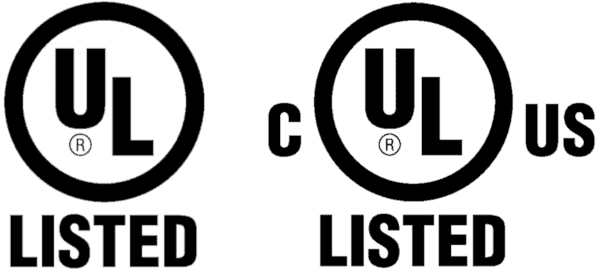
Getting started with understanding UL standards doesn't have to be overwhelming. Here are some simple tips: First, always look for the UL mark on the product itself. This is the manufacturer's way of showing they have submitted the product to UL for testing and certification. Second, familiarize yourself with common standards related to products you frequently use. A quick online search for "UL standard for [product name]" can be very helpful. Third, remember that the UL mark doesn’t guarantee that the product is the best on the market, but it does mean it meets a minimum level of safety. Finally, if you are ever unsure about the safety of a product, err on the side of caution and choose a product with the UL mark.
Matching products with the proper UL standard might seem like a technical task, but it’s actually a valuable skill that empowers you to make informed choices. It's about ensuring safety, quality, and reliability in the products you bring into your life and the lives of your loved ones. So, embrace your inner safety detective and enjoy the peace of mind that comes with knowing you've chosen wisely! After all, a little knowledge goes a long way in creating a safer and more enjoyable environment.