
Map Of Chicago Crime By Neighborhood
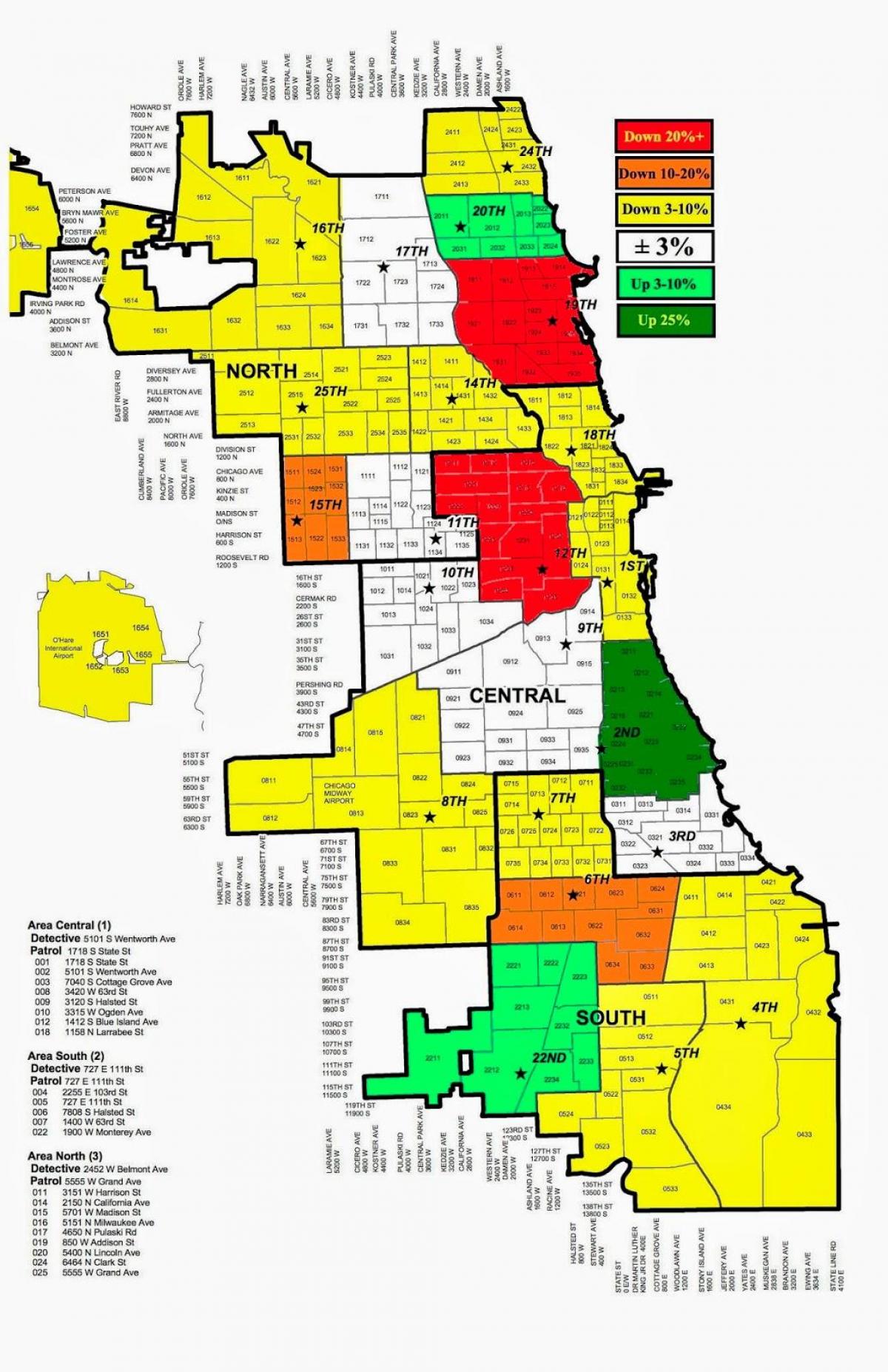
Hey there, coffee buddy! Pull up a chair. So, you know how sometimes you just stumble down an internet rabbit hole and come out the other side a little bit wiser (or at least, more informed about something you didn't even know you cared about)? Well, I had one of those moments recently, and it involved Chicago. Specifically, the whole "Map of Chicago Crime by Neighborhood" thing.
It sounds a bit intense, right? Like something out of a detective show. But honestly, it's not a secret government document you need to hack into. It's just... data. Public data, actually, beautifully (or sometimes, starkly) visualized for everyone to poke around. Think of it less like a chilling forecast and more like... a very detailed weather report, but for goings-on in the city. Except instead of sun and rain, you get different shades indicating, well, stuff.
Peeling Back the Layers: What Even Is This Map?
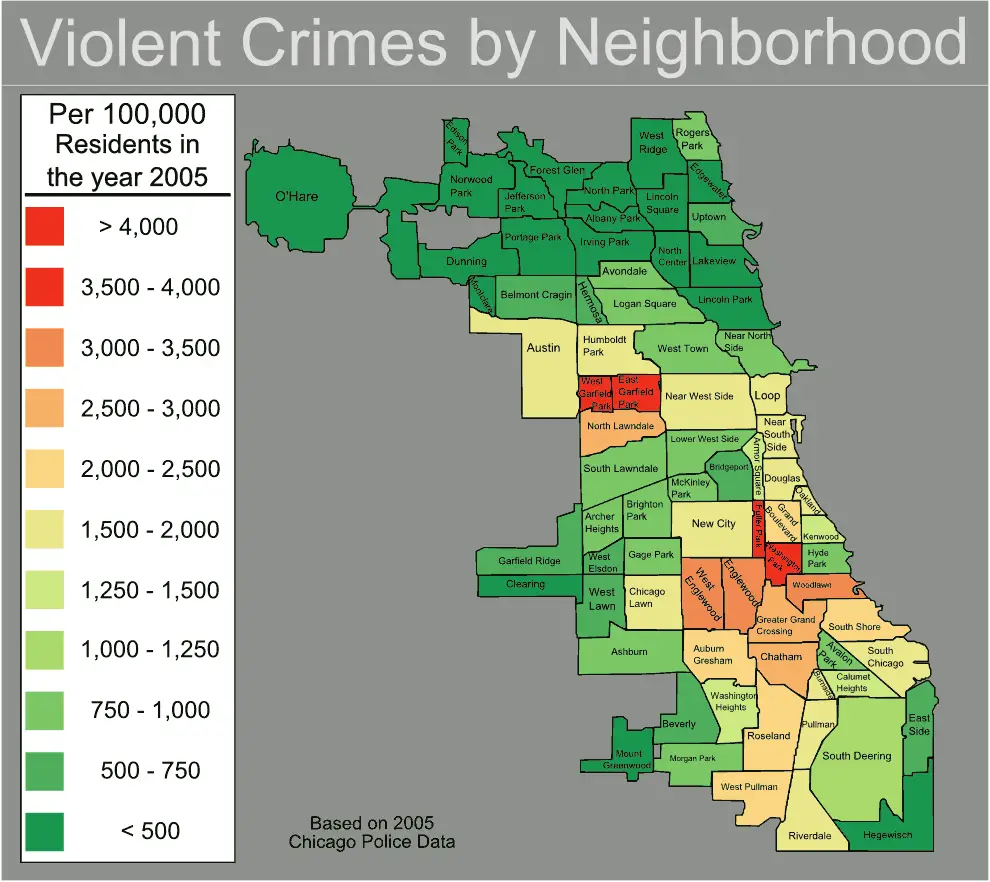
Essentially, what we're talking about is a digital visualization that takes publicly available crime statistics – arrests, reported incidents, you name it – and plots them out geographically. So, instead of a boring spreadsheet (because, let's be real, who's reading those for fun?), you get a map of Chicago. And on this map, neighborhoods light up, darken, or stay relatively chill, depending on the data. It's like a heatmap, but for urban happenings. Pretty neat, huh?
Must Read
My first thought was, "Oh, yikes." But then, you start clicking around, zooming in, and it gets really interesting. It’s not about pointing fingers or labeling entire areas as "bad." It's about seeing patterns. It's about understanding the city a little better, which, let's be honest, is a huge place with a lot going on. From Lincoln Park to Englewood, every neighborhood has its own story, and these maps offer a pretty compelling visual chapter.
Not All Hotspots Are Created Equal (And Other Nuances)
Now, here’s where the "friend over coffee" part comes in. Because when you first look at one of these maps, your brain probably goes straight to, "Okay, avoid the red zones!" And, I mean, sure, common sense prevails. But it’s not always that black and white, or rather, red and green.

For example, a neighborhood might show a higher number of incidents, but those incidents could be predominantly things like petty theft or public order offenses, not necessarily violent crime. Or, an area with a lot of foot traffic, like a bustling downtown district, might naturally have higher reported incidents simply because there are more people and more opportunities for things to happen. It's not always a direct correlation to "danger." It just means, "Hey, a lot of stuff gets reported here." See? Nuance!
Then there's the reporting factor. Some communities are just better at reporting crime, or have more visible policing, which can skew the numbers upward compared to areas where incidents might go unreported. So, it's not just about what is happening, but also about what gets recorded. It's a surprisingly complex picture once you start digging a little.
What Can We Actually Learn?
Beyond the initial "whoa" factor, these maps are actually incredibly useful. For urban planners, for community organizers, even for folks looking to move to a new area. They help answer questions like:
- Where are resources most needed?
- Are certain types of crime clustered in specific areas?
- Are interventions working?
- How does socioeconomic status really play into these patterns?
It really brings home the idea that crime isn't just random; it often follows patterns tied to things like economic opportunity, access to services, and even historical segregation. It’s not just a list of bad things; it’s a reflection of the city’s pulse, its challenges, and where help might be most effectively directed. Suddenly, it’s not just a map; it’s a conversation starter about much bigger issues.
So, next time you're scrolling and looking for something a bit more substantial than cat videos (no judgment, we've all been there), maybe give one of these crime maps a peek. Just remember to approach it with a curious mind, not just a fearful one. Because understanding our cities, even the challenging parts, is how we start to make them better, right? Now, who's for another coffee?

