
Looking Up At A Ceiling Fan Which Way For Summer
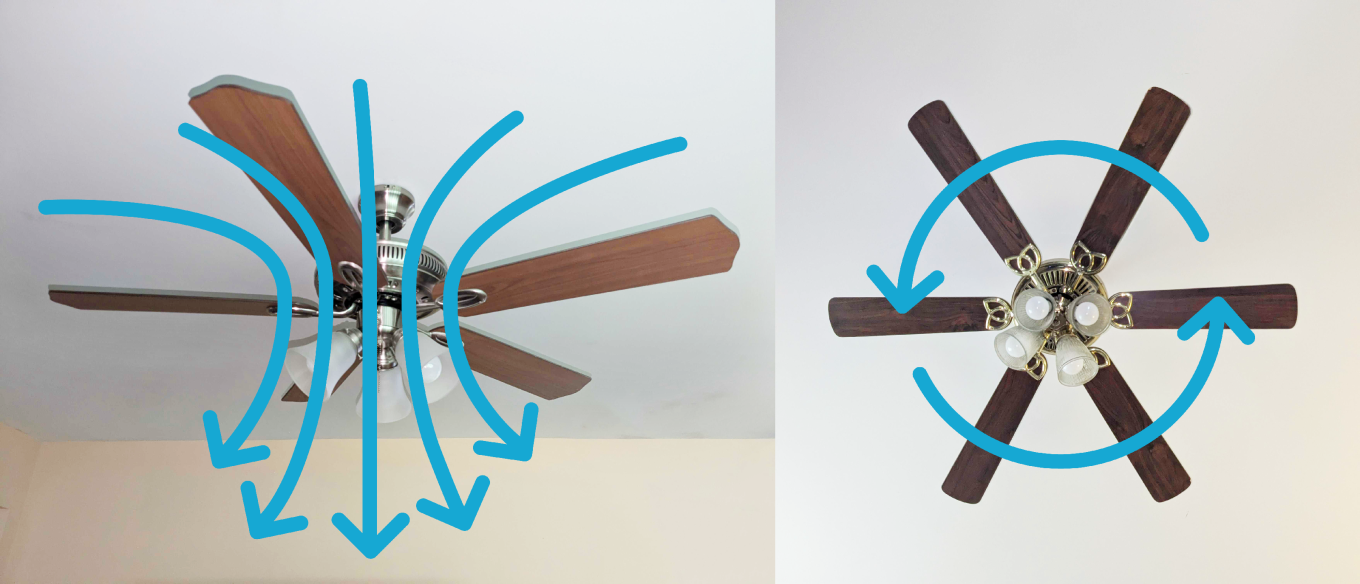
Let's be honest, there's something almost hypnotizing about watching a ceiling fan spin. Maybe it's the rhythmic whoosh, or the way it visually represents air being circulated. For many of us, a ceiling fan isn't just a fixture; it's a key player in our home's comfort, especially as summer temperatures start to climb. But are you using it right? That little switch that changes the fan's direction? It's not just there for decoration. It's a secret weapon against stuffy rooms and rising energy bills.
So, why bother with a ceiling fan at all? The main benefit is simple: energy efficiency. Fans don't actually cool the air; they cool you. By creating a breeze, they evaporate moisture from your skin, making you feel cooler. This means you can often raise your thermostat a few degrees and still feel comfortable, saving money on air conditioning costs. They also help circulate air, preventing stagnant pockets of hot or cold air, which is especially useful in rooms with high ceilings. Think of it as a gentle, constant way to keep the air moving, a silent partner in your quest for the perfect indoor climate.
We see ceiling fans everywhere: bedrooms, living rooms, kitchens, even outdoor patios. In the summer, the most common advice is to set your fan to spin counterclockwise. This pushes air downwards, creating that refreshing breeze. You can usually find the direction switch on the motor housing. Some fans even have remote controls that handle this. It’s a simple adjustment, but one that can make a significant difference in your comfort level.
Must Read
But here's the crucial part many people miss: seasonal adjustments. During the cooler months, you want to reverse the direction so it spins clockwise at a low speed. This gently pulls air upwards, drawing the warm air that rises to the ceiling back down into the room. It's not about creating a breeze, but about redistributing the air for more even heating. Think of it as de-stratifying the air. This is especially beneficial in rooms with high ceilings where heat tends to accumulate near the top.
To enjoy your ceiling fan more effectively, consider these practical tips: First, dust it regularly. A dusty fan is an inefficient fan. Second, choose the right size fan for your room. A small fan in a large room won't do much good. There are size guides available online. Third, remember that fans cool people, not rooms. So, turn them off when you leave the room to save energy. There’s no point cooling an empty space! Finally, experiment with the speed settings. Sometimes a lower speed is all you need for a comfortable breeze. And don’t be afraid to play around with the direction switch – a few minutes spent understanding how your fan works can translate to greater comfort and savings all year round. Now, go forth and conquer those summer temperatures!
![Ceiling Fan Directions for Summer vs Winter [Infographic]](https://airflowacademy.com/wp-content/uploads/2021/06/Ceiling-fan-direction.jpg)
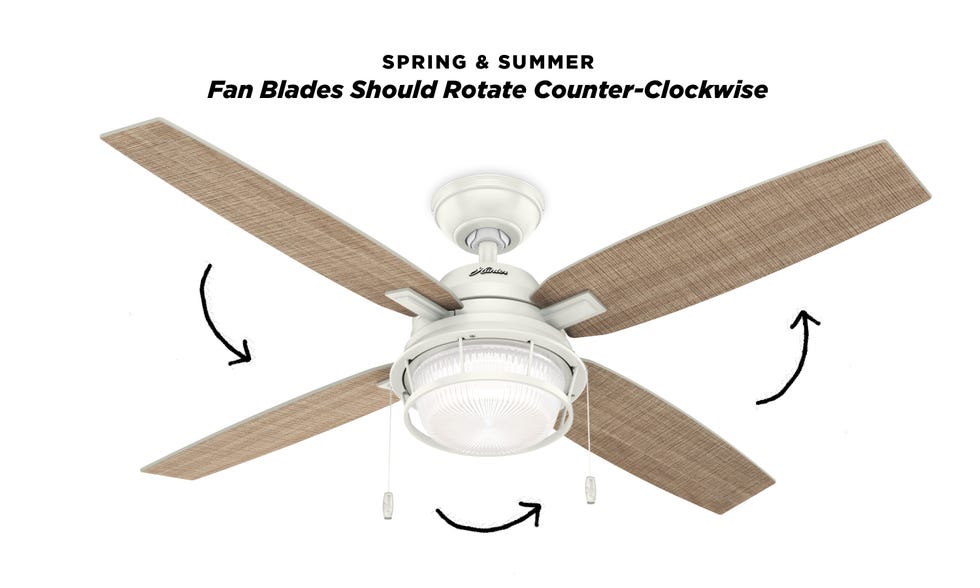
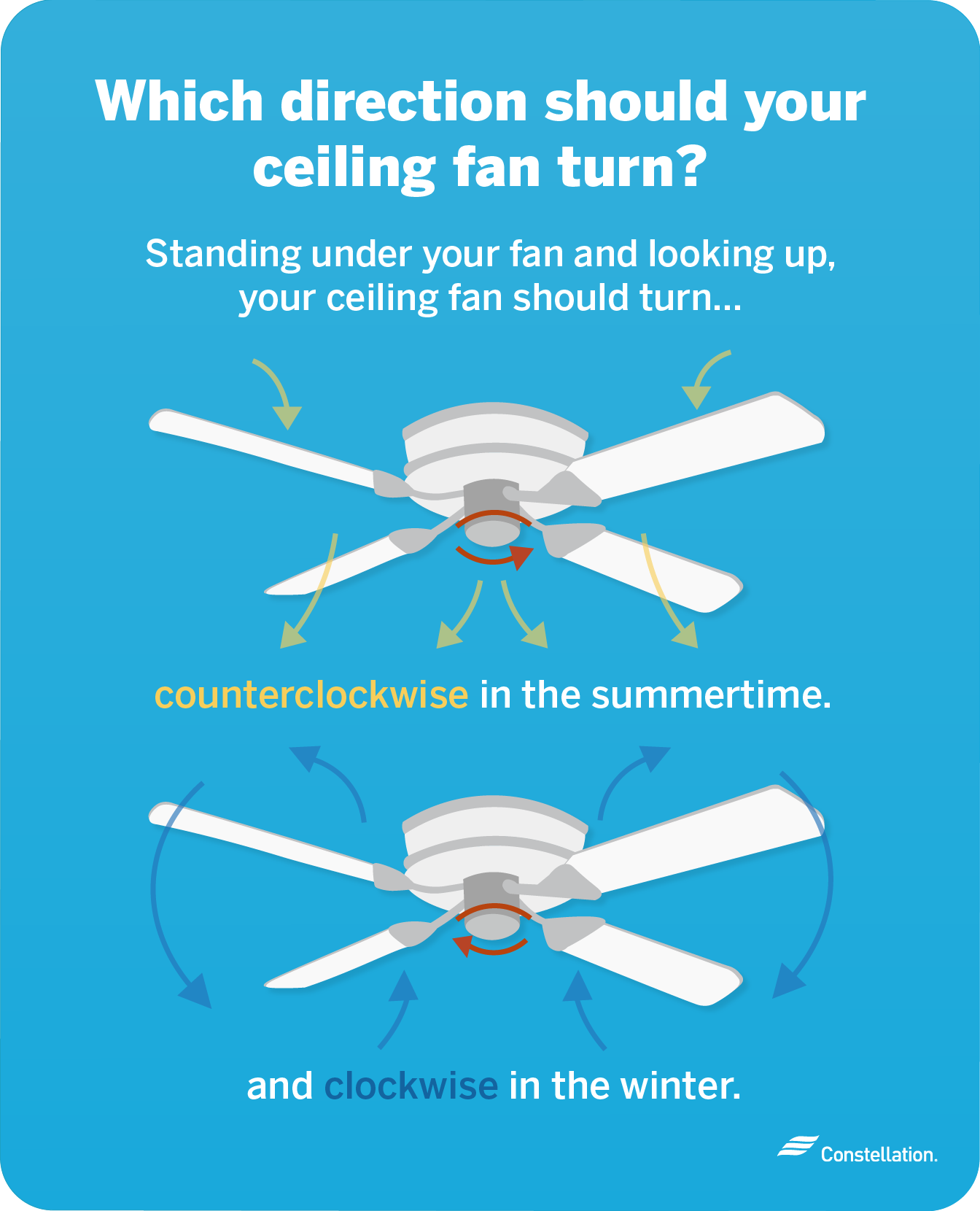
![Ceiling Fan Directions for Summer vs Winter [Infographic]](https://airflowacademy.com/wp-content/uploads/2021/06/Ceiling-fan-directions-infographic-828x1536.jpg)