
Look Up Energy Bill By Address
Alright, gather 'round, folks, because I've got a little confession. Not too long ago, I was helping my buddy, Alex, scour listings for his dream starter home. We're talking late nights, endless Zillow scrolling, the whole nine yards. He found this absolutely adorable little bungalow – perfect size, great neighborhood, even had a tiny patio for his morning coffee. He was practically signing the papers in his head.
Then, his real estate agent, bless her brutally honest soul, casually mentioned, "Oh, by the way, this place is known for having a rather robust heating bill in the winter." Alex's face, I kid you not, went from glowing buyer to bewildered ghost faster than you can say "furnace upgrade." He’d barely considered utility costs, let alone digging into the historical data for a specific address. And that, my friends, is when the lightbulb went off for me. It's not just about the mortgage; it’s about the whole picture.
Because let's be real, you've probably been there too, right? Eyeballing a place, maybe wondering if that massive bay window is a charm or a colossal heat leak. Turns out, there's a surprisingly accessible way to peek behind that energy curtain. We're talking about the magic (and sometimes slightly tricky) art of how to look up energy bill by address.
Must Read
Why Even Bother Looking Up Energy Bills By Address?
Good question! And the answer is pretty straightforward: to avoid nasty surprises and make informed decisions. Seriously, who doesn't want to avoid bill shock?
-
Buying a Home? Your Wallet Will Thank You: This is probably the number one reason. Imagine falling in love with a house, only to realize its monthly electric bill rivals your car payment. Ouch. Getting historical usage data helps you budget accurately and, frankly, might even be a negotiating point if the bills are sky-high due to outdated insulation or a ancient HVAC system. Forewarned is forearmed, as they say.
-
Renting a Place? Understand the True Cost: Landlords often give you a rent price, but utilities can be a wild card. Knowing what previous tenants paid can give you a realistic estimate for your monthly outgoings. No one likes hidden fees, especially when they come in the form of a terrifying gas bill.
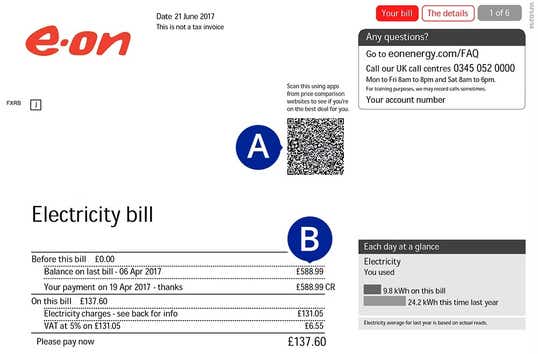
E.ON energy bill explained -
Curiosity, Renovations, and Bragging Rights (Kind Of): Maybe you just installed solar panels and want to see the real-world impact. Or you're insulating your attic and want to compare future bills to past ones. Heck, maybe you just want to passive-aggressively know if your neighbor's holiday light display is truly draining the grid (kidding... mostly). It's fascinating data!
-
Environmental Footprint Awareness: For the eco-conscious among us, this data can highlight a home's energy efficiency (or lack thereof), guiding potential buyers or current owners towards more sustainable choices.
So, How Do You Actually Do It? The Nitty-Gritty.
Okay, this isn't quite as simple as punching an address into Google and getting a printout of Mrs. Henderson's last 12 months of AC usage. Privacy, my friend, is a thing. But there are legitimate, often effective, ways:
1. The Official Channel: Your Utility Company (with a catch!)
This is your best bet for accurate, detailed historical data. Most electricity and gas providers maintain detailed records for each service address. The catch?
-
You usually need permission. If you're buying a home, your real estate agent should be asking the seller to sign a release form, allowing the utility company to share their past usage data with you. This is standard practice in many regions! If your agent isn't doing this, maybe give 'em a polite nudge. Or a not-so-polite one, depending on how badly you want that info.
-
Be prepared for a "privacy policy" talk. Utility companies are bound by privacy laws. They won't just hand over someone's personal billing history to a random caller. But with the seller's explicit consent, it's usually a smooth process.
2. Energy Audit Reports and Seller Disclosures
When buying a home, the seller might already have an energy audit report available, especially if they've made energy-efficient upgrades. These reports often contain historical usage data. In some states, sellers are legally required to disclose certain information about the property, which might include past utility costs or energy efficiency ratings. Always ask your agent to check for these documents!
3. Third-Party Tools & Limited Public Data
While you won't get individual bill details, some platforms and governmental sites offer generalized energy data:
-
Home Energy Scores/Ratings: Some regions have programs (like "Home Energy Score" by the Department of Energy) that provide a score for a home's energy efficiency, often based on its characteristics rather than actual bills. It's a snapshot, not a history, but it's a start.
-
Real Estate Listings (Sometimes): Occasionally, a listing will voluntarily include average utility costs, especially if they're remarkably low due to new windows or solar panels. Take these with a grain of salt, though, as they might be averages or from a particularly frugal previous owner.
What to Do Once You Have the Info
So, you've got your hands on some juicy energy data. What now?
-
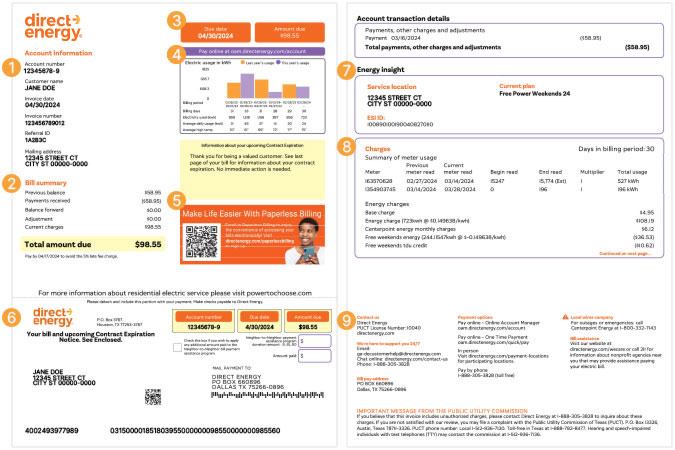
Analyze the Trends: Look at seasonal spikes. Is the summer AC bill through the roof? Or is winter heating the main culprit? This tells you a lot about the home's insulation and HVAC system efficiency.
-
Factor It Into Your Budget: Add these estimated costs to your monthly budget for the new place. No surprises, remember?
-
Negotiate or Plan Upgrades: If bills are consistently high, it might be a sign the home needs new windows, better insulation, or an HVAC overhaul. This information can give you leverage in negotiations, or at least help you prioritize future home improvement projects.
Knowledge, as they say, is power. And in this case, it's power that saves you money and helps you make a truly informed decision about one of the biggest purchases of your life. So next time you're eyeing that perfect pad, remember to look beyond the fresh paint and stainless steel. Dig a little deeper. Your wallet will definitely thank you.