Long Term Effects Of Natural Gas
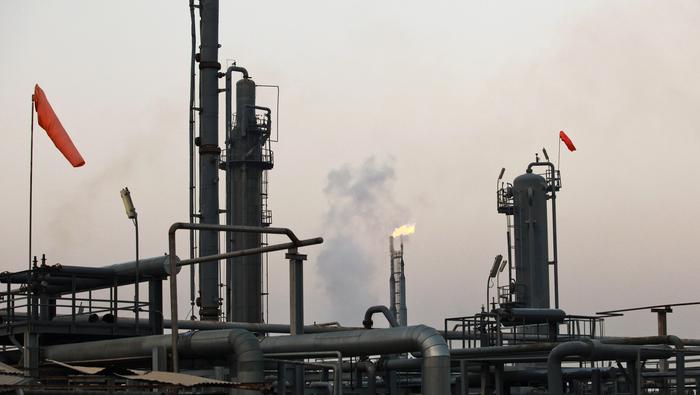
Ever paused to think about what powers your cozy home, fuels your delicious stovetop meals, or even keeps your water toasty warm? Chances are, natural gas plays a starring role in many of our daily lives. While we flip a switch or light a burner without a second thought, understanding the long-term effects of natural gas isn't just a wonky science topic; it's genuinely useful and empowering! Think of it like knowing your car's basic maintenance – it helps you run things smoothly, save money, and make smarter choices for your household and the planet.
So, why dive into this seemingly serious subject? It’s all about becoming a more informed and savvy individual. For beginners, understanding natural gas means demystifying your utility bill and learning the basics of home safety. It's about knowing where your energy comes from and why good ventilation matters. For families, this knowledge translates directly into creating a safer home environment (think carbon monoxide detectors!) and making conscious decisions that can save money on energy costs, all while teaching younger generations about responsible resource use. And for those budding home improvers or eco-conscious hobbyists, delving into natural gas can inspire explorations into energy-efficient appliances, smarter home systems, or even the exciting world of renewable alternatives. It’s about more than just gas; it’s about taking control of your home’s energy story.
Let's look at some examples of these long-term effects. On the environmental front, while natural gas burns cleaner than coal, it's not without its impact. Methane leaks, for instance, are a significant concern because methane is a potent greenhouse gas, contributing to climate change. Understanding this helps us appreciate efforts to reduce these leaks and develop better infrastructure. Inside our homes, the long-term use of gas appliances, particularly if not properly maintained or vented, can affect indoor air quality, leading to a buildup of nitrogen dioxide or even carbon monoxide – which is why detectors are so crucial. Economically, the long-term role of natural gas influences energy prices and our collective transition to a more sustainable energy future. It’s a complex picture, but each piece helps us understand the whole.
Must Read
Ready to get started with this newfound appreciation? Here are some simple, practical tips. First, ensure you have a working carbon monoxide detector on every level of your home, and test it regularly. Second, always ensure proper ventilation when using gas stoves or ovens – an exhaust fan isn't just for smells! Third, consider getting your gas appliances (furnace, water heater) professionally serviced annually to ensure they're running efficiently and safely. Finally, simply pay attention to your energy bills and consumption. Small changes can make a big difference over time. If you ever smell gas, remember the "rotten egg" smell and evacuate immediately, then call your gas company.
Exploring the long-term effects of natural gas might not sound like a thrill ride, but it offers a profound sense of empowerment. It’s about being a knowledgeable homeowner, a responsible citizen, and someone who understands the intricate dance between our daily lives and the energy that fuels them. There’s genuine value in making informed choices, and that starts with understanding what’s truly powering our world.