Live In An Rv On Your Own Land
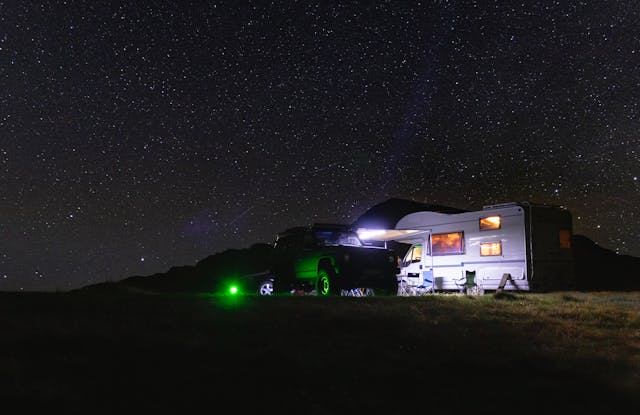
Ever daydreamed about a simpler life, maybe a bit off the beaten path, but still with all the comforts of home? What if you could blend the freedom of an RV with the stability of owning your own patch of earth? This fascinating concept of living in an RV on your own land is sparking curiosity across the nation, and for good reason! It’s not just a quirky idea; it’s a practical, often liberating lifestyle choice that’s becoming increasingly relevant in today's world of rising housing costs and a growing desire for self-sufficiency. Let's dive into this intriguing blend of mobility and rootedness.
At its heart, the purpose of this lifestyle is to offer a unique path to affordable and flexible homeownership. For many, the traditional housing market feels out of reach, but an RV on private land can significantly cut down on initial investment and ongoing expenses. Imagine shedding the burden of a hefty mortgage or sky-high rent! Beyond the financial benefits, it offers an incredible sense of freedom. You can design your space exactly how you like it, surround yourself with nature, and enjoy a deeply personal connection to your property. It's about embracing a minimalist mindset, reducing your footprint, and living intentionally. Whether you're seeking a quiet retreat, a transitional home while building a permanent structure, or a long-term, low-cost living solution, this option provides an unparalleled degree of autonomy.
In daily life, this setup can manifest in countless ways. For some, it's a permanent primary residence, allowing them to homestead, garden, and embrace sustainable living practices away from urban sprawl. Families might use an RV on their land as a fantastic weekend getaway or a dedicated guest house for visitors, offering private, comfortable accommodations without the cost of a full second structure. In an educational context, it's a living laboratory! Kids (and adults!) can learn firsthand about off-grid systems like solar power, water conservation, and composting toilets. It’s an immersive lesson in resource management and practical problem-solving, fostering a deeper understanding of environmental responsibility and self-reliance.
Must Read
Curious to explore this further? The first and most crucial step is to research local zoning laws and regulations. This can vary wildly from county to county, so understanding what's permitted for long-term RV living on private land is paramount. Next, think about utilities: will you be connecting to city water and sewer, drilling a well, installing a septic system, or relying on tanks and composting? Electricity can come from the grid, a generator, or a robust solar setup, each with its own advantages. Consider the type of RV that best suits your needs – a durable travel trailer, a spacious fifth wheel, or a self-contained motorhome. Finally, don't rush into it; perhaps rent an RV for a trial run, visit established RV parks, or connect with online communities to gather insights from those already living this unique, rewarding lifestyle. It’s a journey that promises both challenges and immense satisfaction!