Lithium Iron Phosphate Batteries Vs Lithium Ion

Let's face it, we live in a world powered by batteries. From the phone in your pocket to the electric vehicle you might be dreaming of, batteries are the unsung heroes of modern life. They give us the freedom to unplug, to explore, and to stay connected. But not all batteries are created equal, and understanding the differences can significantly impact your experience with anything powered by them.
The purpose of batteries in our everyday life is pretty simple: to store energy and release it on demand. This simple function fuels a staggering array of devices, making our lives easier, more convenient, and, in many ways, more sustainable. Imagine a world without smartphones, laptops, or even remote controls! Batteries have revolutionized how we live, work, and play.
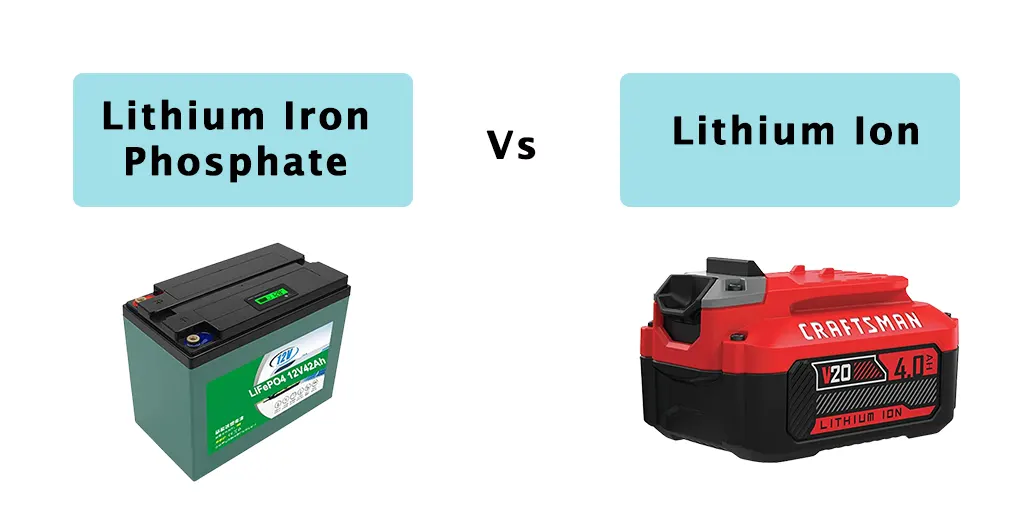
Two types of lithium batteries reign supreme: Lithium Ion (Li-ion) and Lithium Iron Phosphate (LiFePO4), often called LFP. While both are lithium-based, they have key differences that make them suitable for different applications. You'll find Li-ion batteries in your phones, laptops, and most consumer electronics. They're known for their high energy density, meaning they pack a lot of power into a small space. This makes them ideal for devices where size and weight are crucial. On the other hand, LFP batteries are increasingly popular in electric vehicles, solar energy storage, and power tools. Their strengths lie in their safety, longer lifespan, and thermal stability.
Must Read
So, what are the specific differences that matter? Let's break it down:
- Safety: LFP batteries are significantly safer than Li-ion. They are less prone to overheating and thermal runaway, which can lead to fires. This makes them a safer choice for applications where safety is paramount, like electric vehicles.
- Lifespan: LFP batteries boast a much longer lifespan than Li-ion. They can withstand thousands of charge cycles without significant degradation, while Li-ion batteries typically have a lifespan of a few hundred cycles. This translates to a longer-lasting and more cost-effective solution in the long run.
- Energy Density: Li-ion batteries excel in energy density, meaning they can store more energy in a smaller volume. This makes them ideal for portable devices where size and weight are critical.
- Cost: LFP batteries have historically been more expensive than Li-ion, but prices are coming down rapidly as production scales up.
- Performance: Li-ion can have better performance in certain conditions, for example, delivering more power than LFP at colder temperatures.
To enjoy the benefits of these batteries more effectively, consider these practical tips:
- Match the battery to the application: If you're choosing a battery for a power tool or solar energy storage, LFP is often the better choice due to its safety and lifespan. For your phone, Li-ion is the standard.
- Avoid extreme temperatures: Both types of batteries perform best within a moderate temperature range. Avoid exposing them to extreme heat or cold for prolonged periods.
- Use the correct charger: Always use the charger specifically designed for the type of battery you're using. Using the wrong charger can damage the battery or even pose a safety risk.
- Store batteries properly: If you're storing batteries for an extended period, keep them in a cool, dry place at around 50% charge.
Ultimately, understanding the differences between Li-ion and LFP batteries empowers you to make informed decisions about the devices you use and the energy solutions you invest in. By choosing the right battery for the job and following proper usage guidelines, you can maximize their performance, lifespan, and, most importantly, your enjoyment of the technology they power.