
List Three Types Of Fossil Fuels
Hey there, awesome reader! Ever thought some topics just sound a bit... well, dry? Like, say, fossil fuels? Gulp. Sounds like a textbook chapter you'd rather skip, right?
But what if I told you that understanding where our energy comes from can actually be a tiny bit like being a detective uncovering ancient secrets, or a time-traveler peeking into Earth's epic past? Seriously! It’s not just about boring science; it’s about appreciating the incredible journey that powers our modern lives. Let’s dive in and make it fun, shall we?
The Big Picture: Ancient Powerhouses!
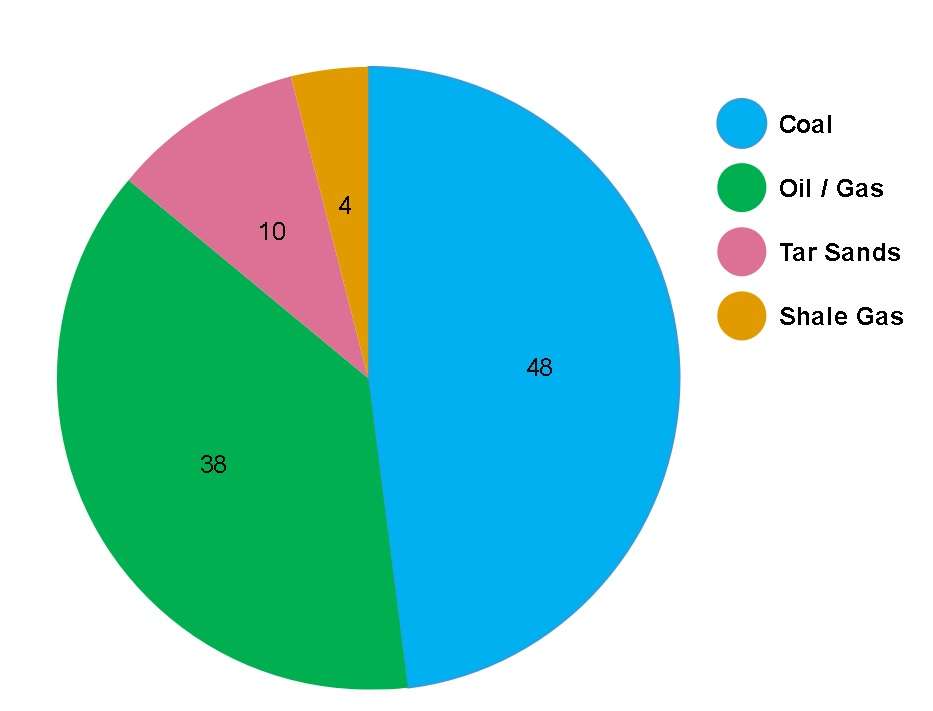
First off, what even are fossil fuels? Imagine sunshine, billions of years ago. Plants absorbed it, creatures ate those plants (or other creatures!), lived their lives, and eventually... well, they became part of the Earth. Over millions of years, under immense pressure and heat, these ancient organic bits transformed into energy-rich substances we now call fossil fuels. Think of them as Earth's stored battery, charged by ancient sunlight and life! How cool is that?
Must Read
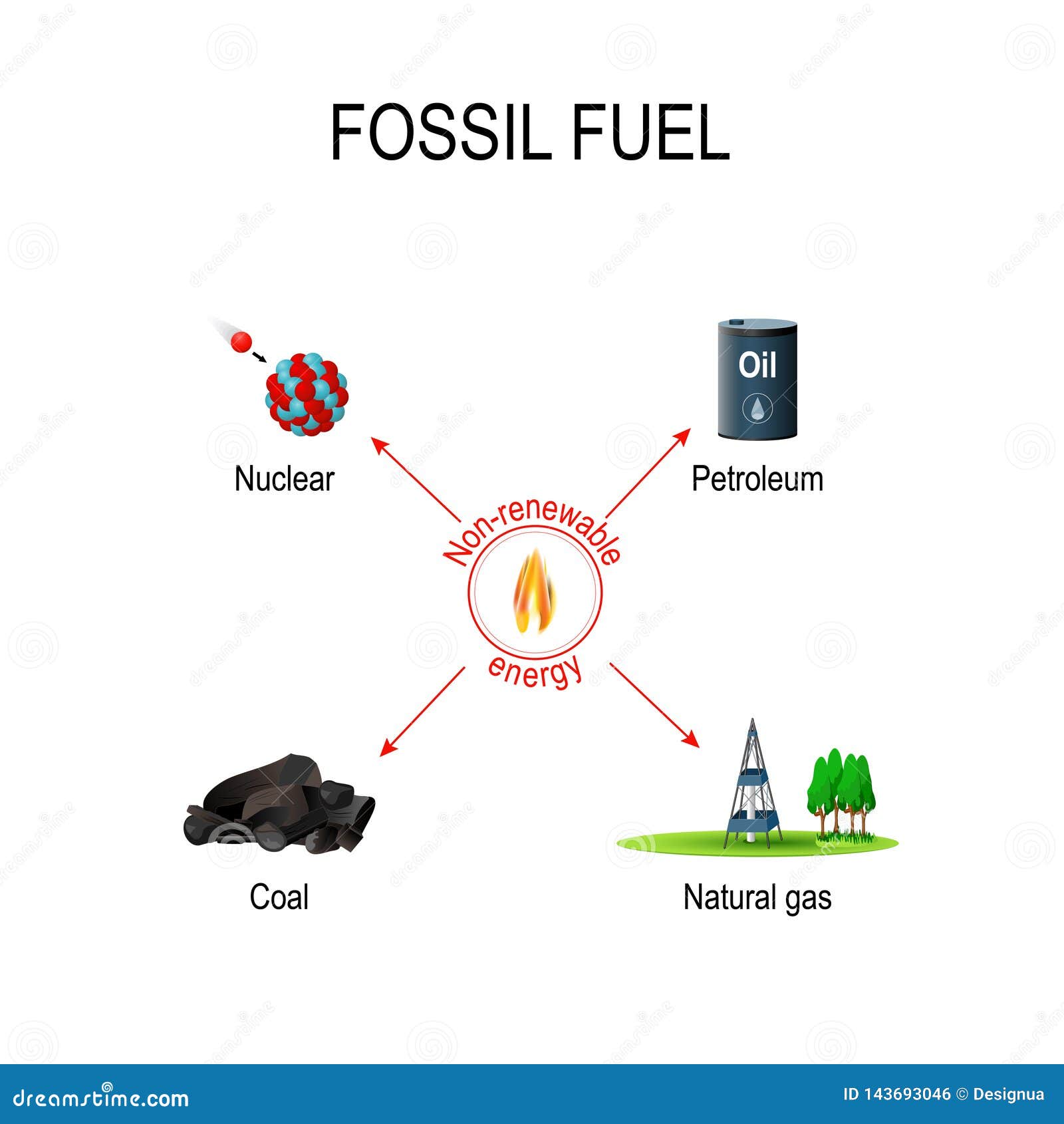
And guess what? There isn't just one kind. Nope! We've got a whole trio of these underground marvels. Let's meet them!
1. Coal: The OG Rock Star of Power!
Our first contender is coal. Picture this: vast, swampy forests millions of years ago, brimming with giant ferns and prehistoric plants. When these plants died, they sank into oxygen-poor bogs, didn't fully decompose, and over eons, were squashed and heated into that familiar black, rocky substance we call coal.
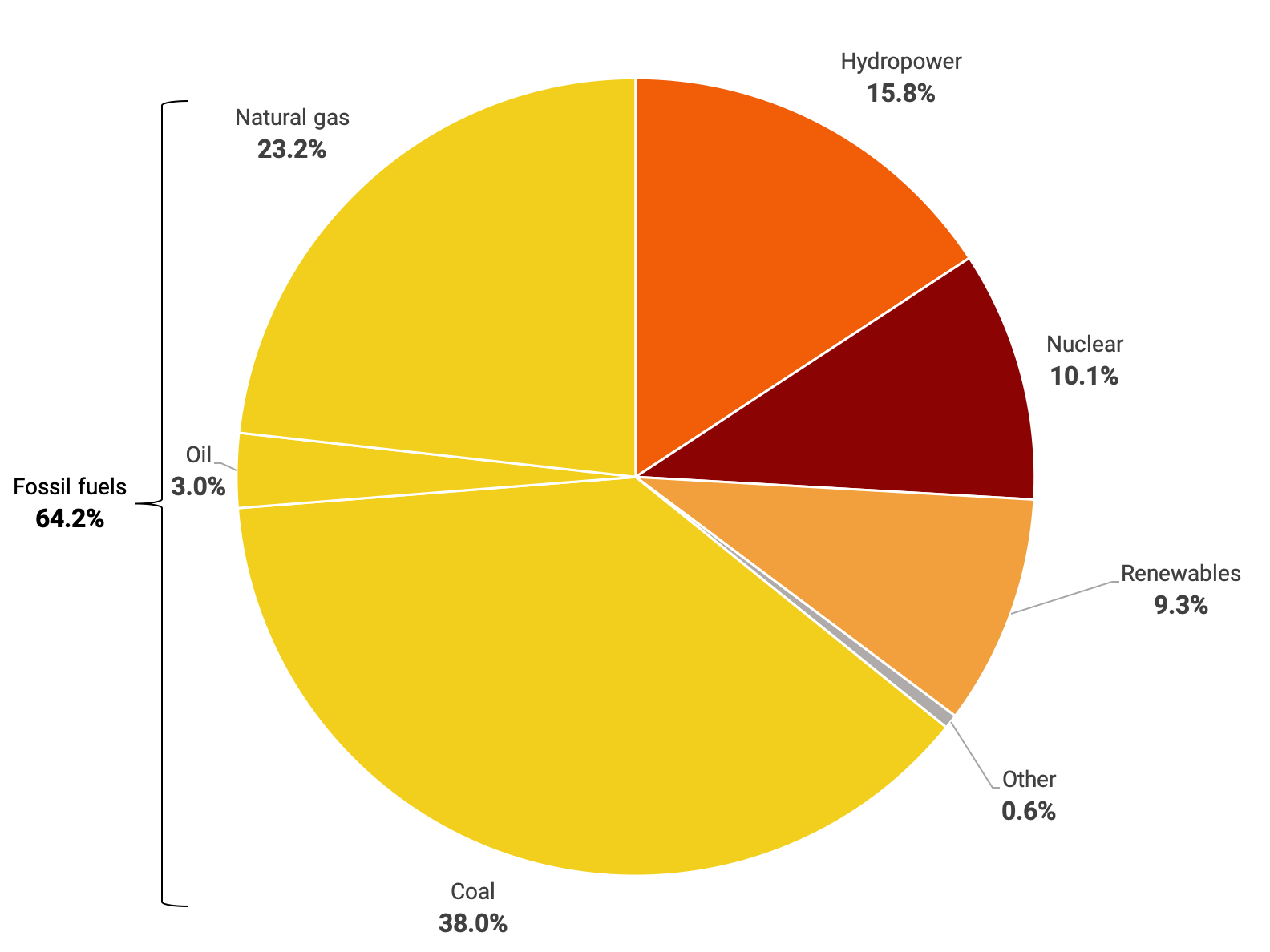
Coal is the granddaddy of industrialization. It powered the steam engines that kicked off the Industrial Revolution! Think mighty trains chugging across continents, factories humming, and cities lighting up. Even today, it's a huge player in electricity generation globally. So, next time you flip a light switch, remember that chunky, ancient forest, quietly doing its thing to bring you light!
It's robust, it's powerful, and it quite literally laid the groundwork for the modern world. That's a pretty epic resume for a lump of compressed plants, don't you think? It’s a testament to the Earth’s incredible geological processes!
2. Oil (Petroleum): The Liquid Gold of the Modern Age!
Next up, we have oil, also known as petroleum. If coal is the rock star, oil is the versatile liquid genius. Instead of ancient forests, imagine ancient oceans teeming with microscopic sea creatures and algae. When these tiny organisms died, they drifted to the seafloor, got buried under layers of sediment, and, over millions of years, cooked into the gooey, dark liquid we drill for today.

Oil is like the Earth's very own multi-tool. Yes, it fuels our cars, planes, and ships, enabling global travel and commerce. But that's just the tip of the iceberg! Think about all the things made from oil: plastics for your phone, clothes, furniture, medicines, cosmetics, and even asphalt for roads! It’s truly mind-boggling how one substance can be transformed into so many different things that touch almost every aspect of our daily lives.
So, the next time you marvel at a plastic toy, or appreciate the smooth ride on a paved road, give a little nod to those ancient, microscopic sea dwellers. They went on quite a journey to bring us so much convenience and innovation! It’s like a silent, oily miracle unfolding all around us.
3. Natural Gas: The Invisible Powerhouse!
Finally, let's talk about natural gas. Often found alongside oil deposits, natural gas is mostly methane, and it forms from a similar process as oil – decaying organic matter (both marine and terrestrial) buried deep underground. But instead of liquid, we get this invisible, odorless (unless odorants are added for safety!) gas.
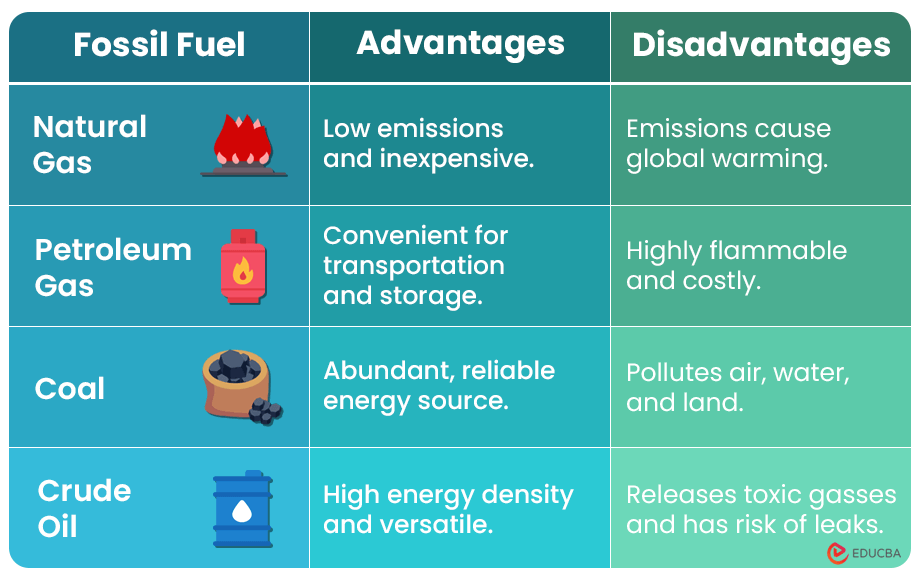
Natural gas is often seen as a cleaner-burning fossil fuel compared to coal and oil. It’s the quiet hero that heats our homes, cooks our food on gas stoves, and generates a significant amount of electricity. Think about the instant warmth on a chilly morning, or the perfect flame for your pasta sauce – that’s often natural gas at work!
It’s fascinating to think that this unseen power, piped directly into our homes, has been patiently waiting underground for millennia. It’s like having a giant, ancient, invisible energy friend always ready to lend a hand. Pretty neat, right? It makes you appreciate the unseen wonders of the world, even the ones that power your kettle!
Why Does Any of This Make Life More Fun?
Okay, so we've met the trio. But how does knowing all this jazz make life more enjoyable? Simple! It turns everyday experiences into mini-adventures of understanding. Every time you fill up your car, turn on the lights, or enjoy a warm shower, you’re not just performing a mundane task. You’re connecting with deep time, with incredible geological processes, and with the very fabric of how our modern world operates.
It's like having a secret superpower of knowledge! You can look at a plastic bottle and think, "Wow, this came from ancient sea goo!" You can see a power plant and appreciate the millions of years of compressed ancient forests at work. It transforms the mundane into the marvelous, making the world around you richer and more interesting. Isn't that a truly inspiring thought?
Keep Learning, Keep Discovering!
See? Fossil fuels aren't so dry after all, are they? They're incredible examples of Earth's immense power, patience, and history, shaping everything from our economy to our morning toast. They represent an amazing journey from ancient life to modern convenience.
This is just the beginning of the story, of course! There's so much more to learn about energy, from how we use these fuels to the amazing innovations in renewable energy that are shaping our future. So, go on! Let your curiosity sparkle. Ask questions, read more, and keep exploring the incredible world we live in. Because when you do, every little thing becomes an opportunity for wonder and discovery. The world is waiting for you to uncover its secrets!