
List Of Ferrous Metals And Non Ferrous Metals
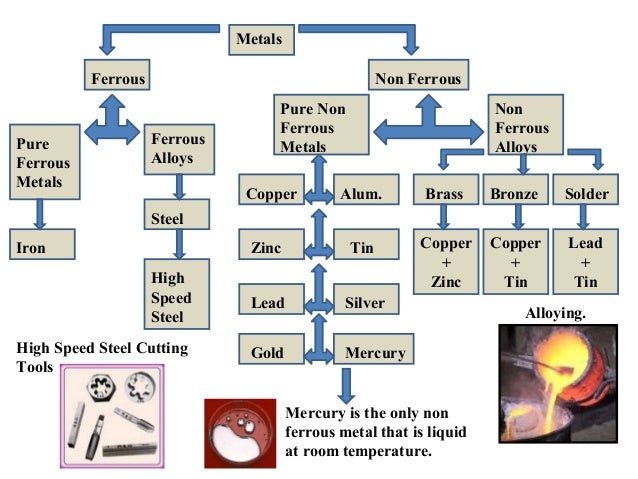
Ever wondered what your fridge, your bike, and your jewelry have in common? It's all about the metals they're made from! Let’s dive into the fascinating world of ferrous and non-ferrous metals. Trust me, it’s way more exciting than it sounds!
Ferrous Metals: The Iron Brigade
Think of ferrous metals as the "iron family." They all contain iron, which gives them some cool characteristics. What are these characteristics? We will see in the next section!
What's so special about Iron?
The star of the show is iron! It’s strong, abundant, and pretty darn useful. But pure iron isn't always the best choice.
Must Read
Sometimes, it's combined with other elements to make it even better. That's where alloys come in!
Examples of Ferrous Metals
Let’s meet some famous members of the ferrous metal family. You’ll recognize these heavy hitters.
Steel: The superhero of construction. It's strong, durable, and used everywhere from skyscrapers to cars.
Carbon steel: The workhorse. It's tough and affordable, perfect for tools and machinery.
Alloy steel: The customized champion. Different elements are added to give it specific properties like increased strength or resistance to corrosion.
Stainless steel: The shiny superstar. It resists rust and corrosion, making it perfect for kitchenware and surgical instruments. Imagine a world without stainless steel sinks!
Cast iron: The classic. It's heavy, durable, and great for cookware like those amazing old-fashioned skillets.
Why are Ferrous Metals so Popular?
So, why are ferrous metals so popular? There are a few key reasons that make them the backbone of modern infrastructure.
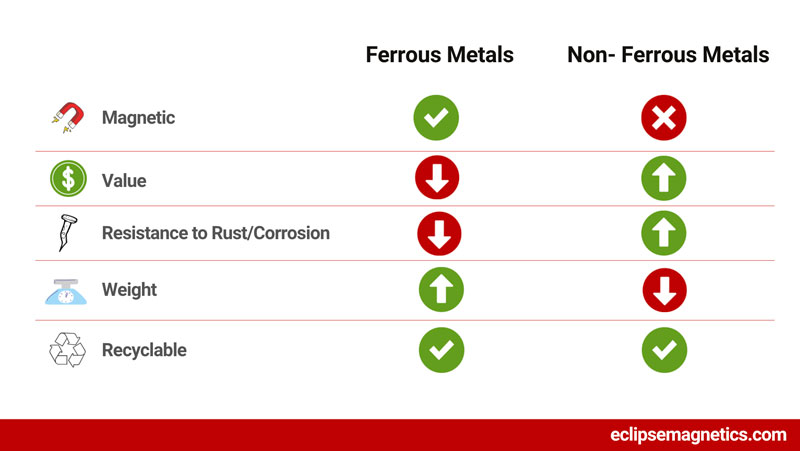
They are typically strong and durable. This makes them great for things that need to last. Bridges, buildings, and machines rely on these properties.
Also, they can be made in large quantities at a relatively low cost. That means they can be used for big projects without breaking the bank.
The Downside of Ferrous Metals
But before you think ferrous metals are perfect, there's a catch. They are prone to rust! This means they can corrode when exposed to moisture and air.
That's why many ferrous metals need protective coatings or special alloys to prevent rust. A little maintenance goes a long way!
Non-Ferrous Metals: The Colorful Crew
Now, let’s meet the non-ferrous metals. These are the metals that don't contain iron. They have their own unique and impressive traits.
What Makes Non-Ferrous Metals Special?
These metals are generally resistant to corrosion. Some of them are lightweight. And many of them have unique colors and properties!
They are used in a wide range of applications. From electronics to jewelry, they bring their own special flair.
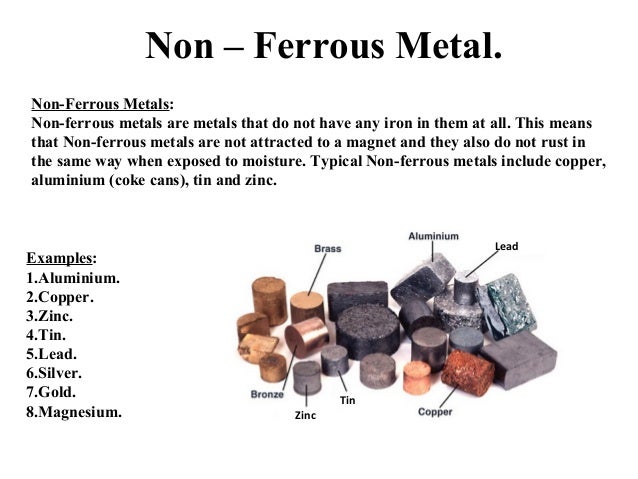
Examples of Non-Ferrous Metals
Let’s check out some of the stars of the non-ferrous metal world. You'll see these shiny and versatile materials everywhere.
Aluminum: The lightweight champion. It's strong, corrosion-resistant, and perfect for airplanes, cans, and foil. Imagine lugging around a suitcase made of steel instead of aluminum!
Copper: The conductor. It's excellent at conducting electricity, making it essential for wiring and electronics. It's also used in plumbing for its corrosion resistance.
Brass: The golden beauty. It's an alloy of copper and zinc, known for its attractive color and resistance to corrosion. It's used in musical instruments, decorative items, and plumbing fixtures.
Bronze: The historical hero. It's an alloy of copper and tin, famous for its use in sculptures and tools throughout history. Think ancient statues and durable tools.
Nickel: The corrosion fighter. It's resistant to corrosion and is often used in alloys like stainless steel. It's also used in batteries and plating.
Titanium: The super-strong lightweight. It's incredibly strong, lightweight, and corrosion-resistant. It's used in aerospace, medical implants, and high-performance sports equipment.
Lead: The heavy protector. It's dense and resistant to corrosion. It was once used in pipes and paints, but now its use is limited due to toxicity concerns. It is still used in batteries and radiation shielding.
Zinc: The corrosion preventer. It's used to galvanize steel, protecting it from rust. It's also an essential nutrient for human health.
Gold: The precious prize. It's highly valued for its beauty, rarity, and resistance to corrosion. It's used in jewelry, electronics, and as a store of value.
Silver: The shiny sibling. It's a great conductor of electricity and is used in jewelry, electronics, and photography. It is also valued for its antimicrobial properties.
Why Choose Non-Ferrous Metals?
Why would you choose a non-ferrous metal over a ferrous metal? There are a few great reasons why these metals shine.
They are often more resistant to corrosion. That means they last longer in harsh environments. Think of boats bobbing in saltwater for years.
Many of them are lightweight. This makes them ideal for applications where weight is a concern. Imagine the impact on fuel efficiency for airplanes.
They have unique properties. Some of them have excellent conductivity or are non-magnetic. This makes them perfect for specialized applications.
The Cost Factor
One thing to keep in mind about non-ferrous metals is that they can be more expensive than ferrous metals. This is often due to their rarity or the complexity of their extraction. Gold and platinum are good examples.
But the benefits they offer can often justify the higher cost. Especially when durability and specialized properties are needed. Imagine a crucial component in a satellite needing to withstand extreme conditions.
Ferrous vs. Non-Ferrous: A Quick Comparison
Let’s put ferrous and non-ferrous metals head-to-head. This will make it easy to see their key differences.

Ferrous metals contain iron. They are strong but prone to rust. Think of a cast iron skillet.
Non-ferrous metals do not contain iron. They are corrosion-resistant and often lightweight. Think of an aluminum can.
Magnetic Attraction
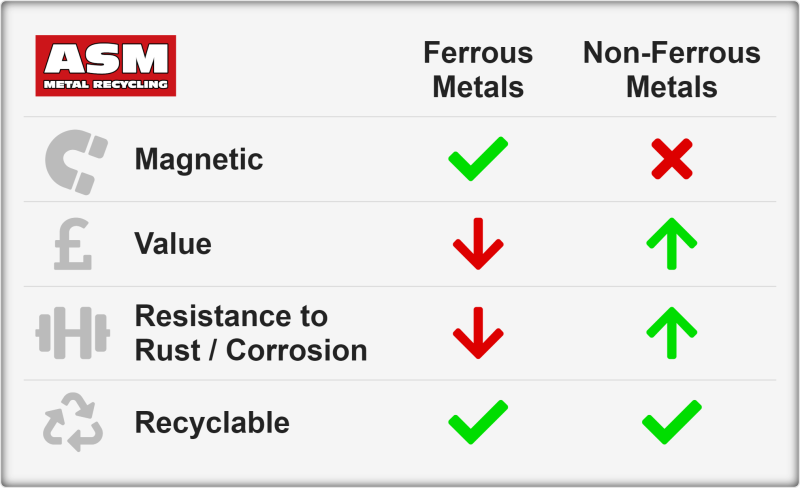
Most ferrous metals are magnetic. This is a handy way to tell them apart. You can use a magnet to test your materials.
Non-ferrous metals are generally non-magnetic. Copper, aluminum, and gold won't stick to a magnet. This is important for some electronic applications.
Why Should You Care?
Why should you care about all of this metal talk? Well, understanding the properties of metals can help you make informed decisions. It can impact everything from choosing the right cookware to understanding the materials in your car.
Knowing the difference can also help you appreciate the ingenuity of engineers and designers. They carefully select materials to create the products we use every day.
A World of Metal
The world of ferrous and non-ferrous metals is vast and fascinating. From the iron in your frying pan to the gold in your jewelry, metals play a crucial role in our lives.
So, next time you see a metal object, take a moment to appreciate the science and engineering that went into its creation. You might be surprised by what you discover!
Ready to explore more about these metallic marvels? Dive deeper into the specific properties and applications of each metal. Who knows, you might just find a new favorite element!