List Of Expense Categories For Small Business
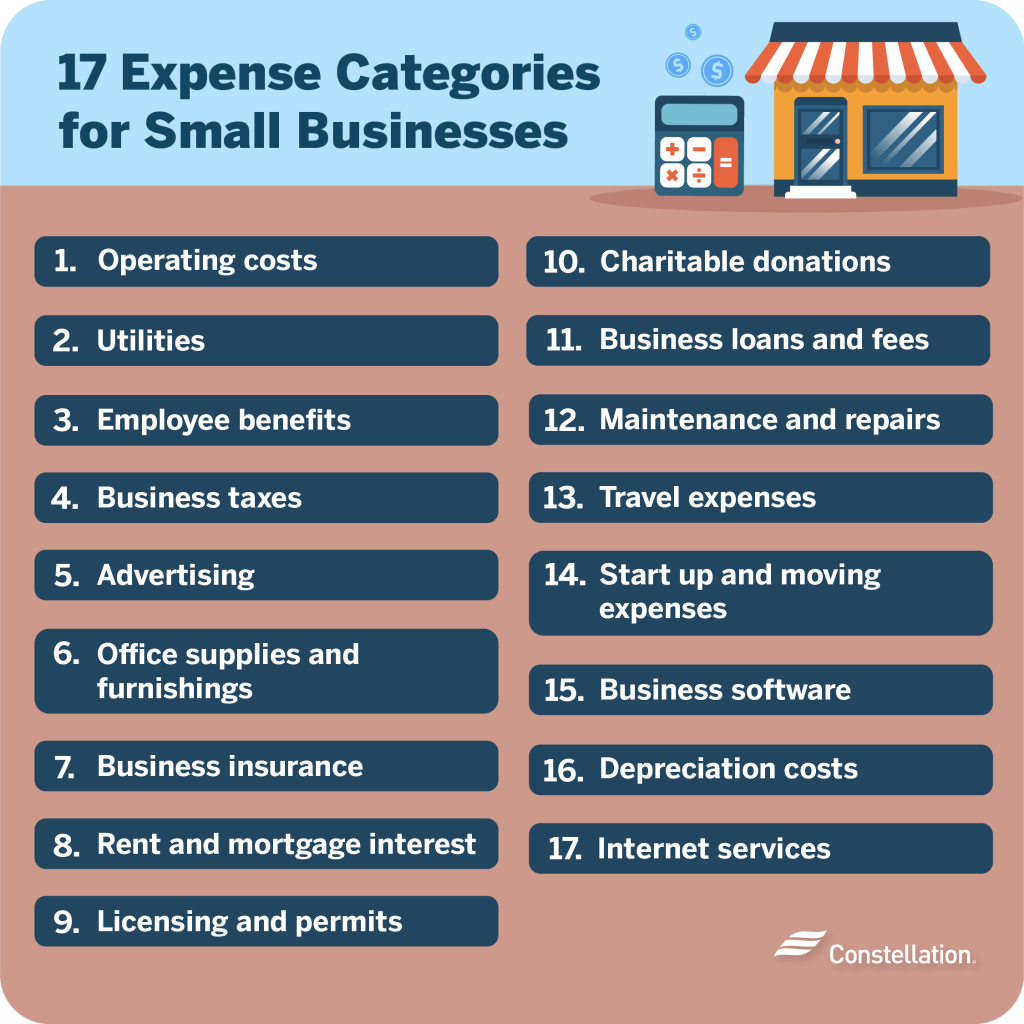
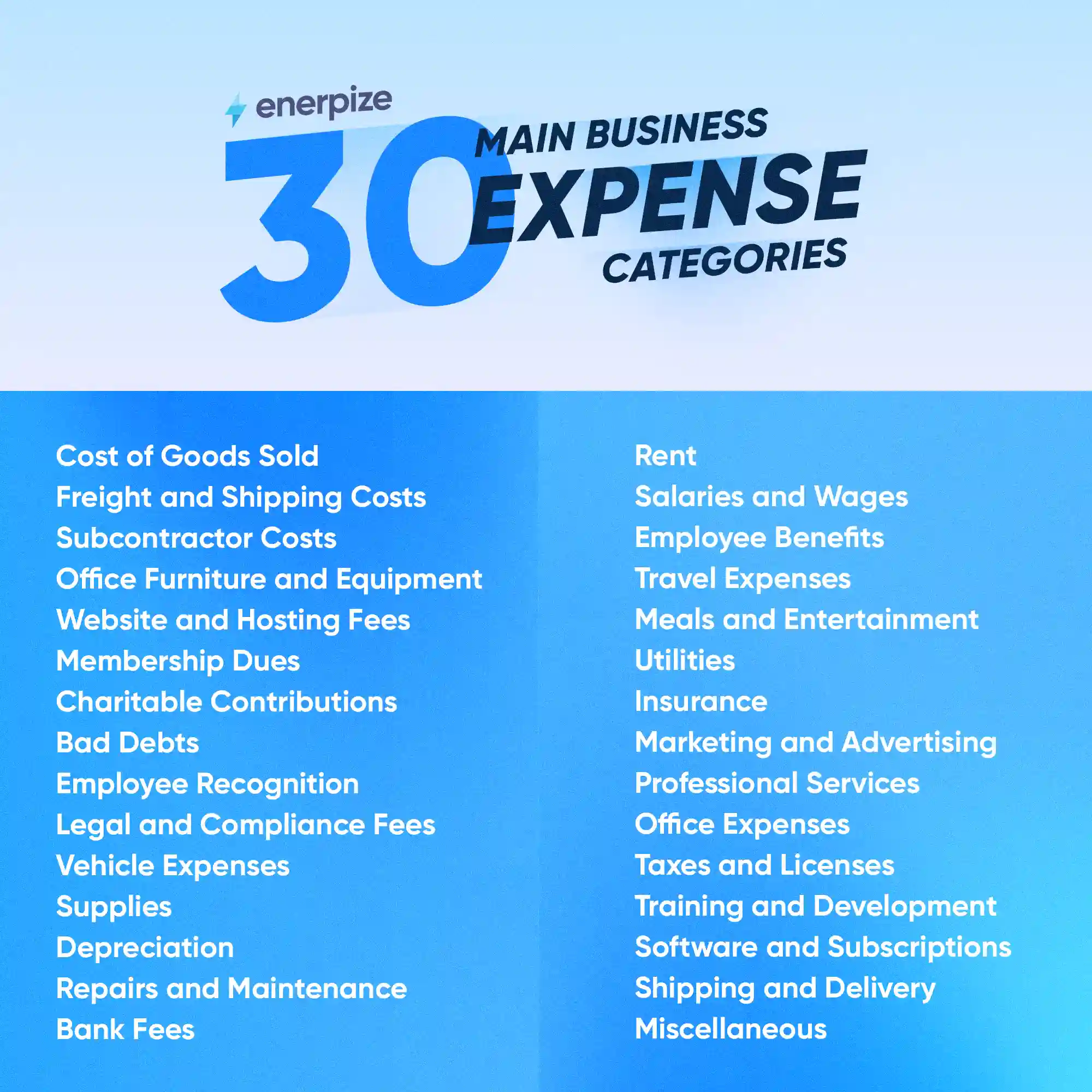
Hey! So, you're running a small business? Awesome! But let's be real, keeping track of all the money flying around can feel like herding cats, right? Especially when it comes to knowing exactly where it's going. Don't worry, we've all been there. Let's break down the expense categories every small business owner should be watching like a hawk (a hawk with a spreadsheet, maybe?).
Cost of Goods Sold (COGS) – The Heart of Your Business
First up, COGS! This is basically what it costs you to make or buy what you sell. Obvious, right? Well, sort of. It includes raw materials, direct labor (if you're making stuff yourself), and things like packaging. If you sell handmade soaps, this is your oils, lye, essential oils, labels... the whole shebang! Understanding COGS is crucial. It directly impacts your profit margin. (And who doesn't want more profit?!)
Operating Expenses – Keeping the Lights On (Literally)
These are your bread-and-butter, everyday expenses. Things like rent, utilities (electricity, water, internet - because, let's face it, you can't run a business without cat videos... I mean, essential online research!), office supplies (paperclips, printer ink, that emergency stash of chocolate...), and insurance. Oh, and don't forget software subscriptions! Are you seriously still doing everything on paper? (Okay, maybe for your grocery list, but not your business!)
Must Read
Marketing & Advertising – Getting the Word Out (Without Yelling Too Loudly)
You could have the best product in the world, but if nobody knows about it, it's like winking in the dark, isn't it? This category covers all your efforts to attract customers: Website development, social media ads (beware the algorithm!), print advertising (still a thing!), email marketing (done right, it's gold!), and even sponsoring that local soccer team (go Little Kickers!). Just remember to track what's actually working. Don't throw money at stuff just because everyone else is doing it!
Salaries & Wages – Paying Yourself (and Your Awesome Team!)
This one's pretty self-explanatory, right? But it's important! Don't forget to include not just the actual wages, but also payroll taxes, employee benefits (health insurance, retirement plans, that foosball table in the break room...), and any bonuses or commissions. And, hey, pay yourself fairly! You deserve it. Seriously! Don't shortchange yourself – you are the engine that drives this whole operation! (A well-oiled, caffeinated engine, hopefully.)
Travel & Entertainment – Mixing Business with (a Little) Pleasure
Conferences, client lunches, business trips...it all adds up. Keep careful track of your expenses here. Remember to keep receipts for everything! (Seriously. Everything. The IRS loves receipts. They're like financial candy to them). And while that fancy steak dinner might seem like a good idea at the time, maybe consider a slightly less…extravagant option if your budget is tight. (Ramen can be gourmet, right?)
Professional Fees – When You Need the Experts
Sometimes you gotta call in the pros. Accountants (because taxes are scary!), lawyers (hopefully you don't need one, but it's good to have one on speed dial!), consultants (to tell you what you already know, but in a fancy PowerPoint presentation!)... These fees can be significant, so budget accordingly. And shop around! Don't just go with the first person you find. Find someone who gets your business.
Depreciation & Amortization – The Silent Money Eaters
Okay, this one's a little more complicated. Depreciation is the gradual decline in value of your assets (like equipment or vehicles) over time. Amortization is similar, but it applies to intangible assets (like patents or trademarks). Your accountant can help you figure this out. It's not a cash expense, but it affects your profitability, so don't ignore it!
Debt Service – Paying Back What You Owe
Loan payments, credit card interest... any debt you're carrying needs to be tracked. Be sure to separate the principal (the actual amount you borrowed) from the interest (the cost of borrowing). You can (usually) deduct the interest on your taxes, but not the principal.

Other Expenses – The Catch-All Category (But Don't Let It Catch Everything)
This is where all the miscellaneous expenses go. Things that don't fit neatly into any other category. But be careful! Don't let this become a dumping ground for all your untracked spending. Try to categorize expenses as specifically as possible. The more detail you have, the better you can understand where your money is going, and the better you can make informed decisions about your business. And who knows, maybe you'll find a hidden expense you can trim. Bonus!
So there you have it! A breakdown of the expense categories every small business should be tracking. Remember, knowledge is power! The more you understand your finances, the more successful your business will be. Now go forth and conquer...your expense report!