
List 4 Advantages And 4 Disadvantages Of Biomass
Alright, gather 'round, gather 'round! Let's talk about biomass, shall we? You know, that stuff that makes you think of crunchy granola, compost piles, and maybe even that weird uncle who's really into organic gardening. Well, it's more than just hippie fuel, folks. It's a whole energy source, and like everything in life, it's got its ups and downs. So, let’s dive in and get a little earthy… in a humorous way, of course!
Biomass: The Good Stuff (Advantages!)
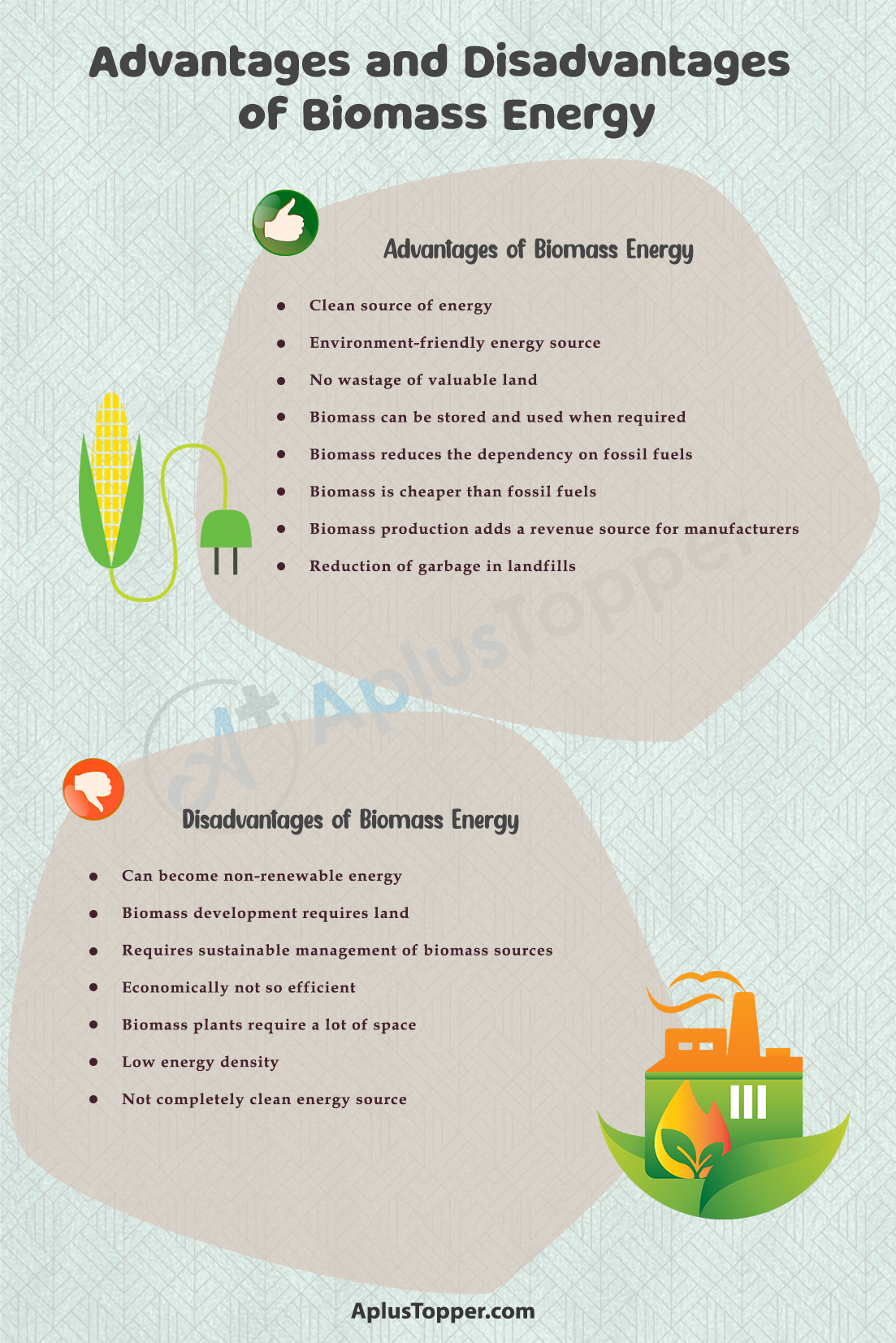
Okay, first up, the good news. Why should we even bother with turning trees and corn stalks into power? Well, let me tell you...
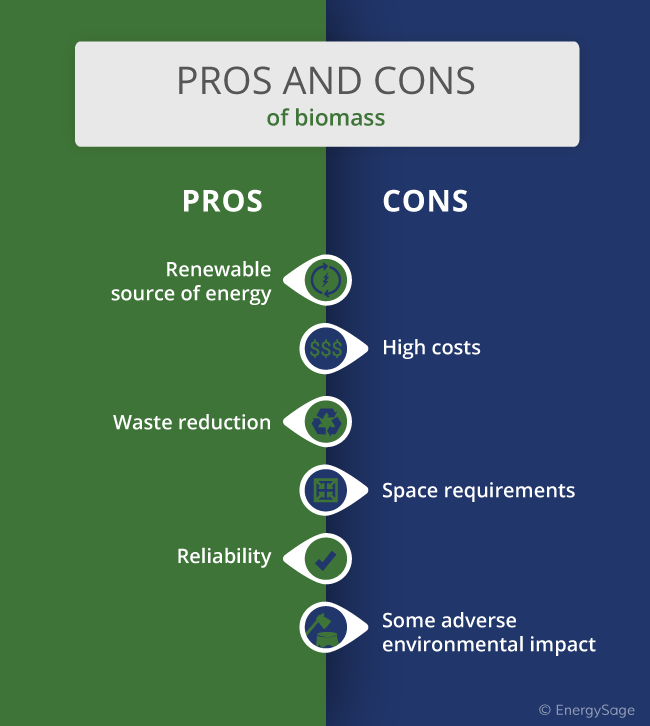
Advantage #1: Renewable, Baby! Think of it this way: unlike fossil fuels, which are basically dinosaur juice (delicious, but finite dinosaur juice), biomass is renewable. As long as we keep planting trees and growing crops, we've got a steady supply. It’s like nature's never-ending subscription box! Just don’t forget to renew your planting license… I’m kidding (mostly).
Must Read
Advantage #2: Carbon Neutral(ish)! This is where things get a little… science-y, but bear with me. Plants absorb carbon dioxide (CO2) from the atmosphere while they're growing. When we burn biomass, we release that CO2 back. So, in theory, it's a closed loop, and we're not adding any new carbon to the atmosphere. It's like borrowing a cup of sugar from your neighbor and then baking them cookies – you’re essentially returning the sugar, right? Of course, reality is a tad more complex (transportation and processing emit some CO2), but it's still way better than burning fossil fuels, which are basically digging up carbon that’s been buried for millions of years!
Advantage #3: Waste Not, Want Not! Biomass can utilize waste materials that would otherwise end up in landfills. We’re talking agricultural residues, forestry scraps, and even your leftover pizza crust (okay, maybe not the pizza crust, but you get the idea!). It’s like a super-powered garbage disposal… that makes energy! Imagine turning all that trash into a force field protecting the Earth! Okay, maybe not a force field, but definitely electricity.
Advantage #4: Supports Local Economies! Instead of relying on foreign oil (which, let's be honest, is a bit of a geopolitical headache), biomass energy can be produced locally. This means more jobs, more money circulating in your community, and potentially fewer awkward conversations at Thanksgiving about your cousin’s conspiracy theories… okay, maybe not that last one. But still, local jobs are great!
Biomass: The Not-So-Good Stuff (Disadvantages!)
Alright, buckle up, because now we're heading into the… less glamorous side of biomass. It's not all sunshine and sustainably grown daisies, folks.
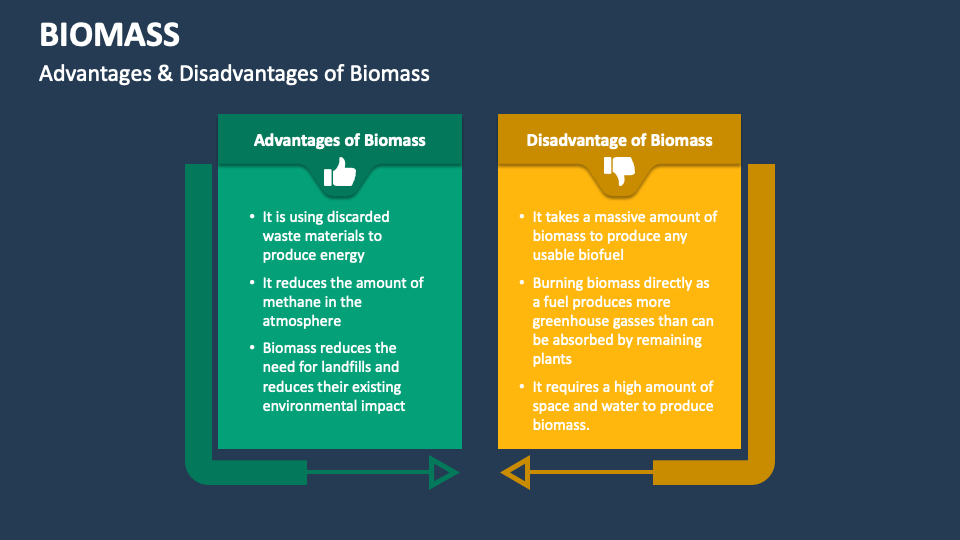
Disadvantage #1: Land Hog! Growing biomass requires land. And lots of it. We're talking about potentially diverting land from food production or even cutting down forests to make room for energy crops. This can lead to deforestation, habitat loss, and… well, less pizza for everyone (because we’re using the land for energy crops instead of growing wheat!). That's a tragedy of epic proportions, my friends.
Disadvantage #2: Not Always So Clean! While burning biomass is better than burning fossil fuels in terms of carbon emissions, it still releases other pollutants into the air, like particulate matter. Think of it like smoking – it might be better than, say, juggling chainsaws, but it's still not exactly healthy for you or the environment. We need cleaner burning technologies to really minimize this impact.
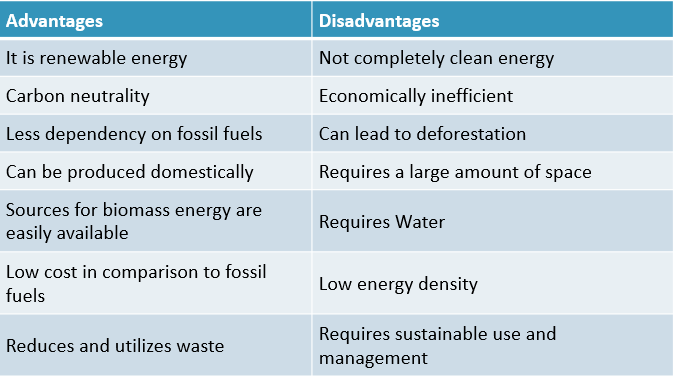
Disadvantage #3: Efficiency Issues! Converting biomass into energy isn't always super efficient. We lose a lot of energy in the process. It's like trying to bake a cake in a leaky oven – you're going to waste a lot of ingredients (and potentially set off the smoke alarm). We need better, more efficient technologies to make biomass a truly viable option. Imagine if your phone only charged to 20% and then died… That’s kinda what inefficient biomass conversion is like.
Disadvantage #4: Logistics Nightmare! Transporting biomass can be a real pain. It's bulky, heavy, and difficult to store. Imagine trying to move a mountain of wood chips across the country. It's not exactly a recipe for a stress-free road trip. We need better infrastructure and logistics to make biomass a practical energy source on a large scale. Think about organizing a family reunion… transporting biomass is probably worse.
So, there you have it. Biomass, in all its glory and awkwardness. It's a promising energy source with the potential to help us reduce our reliance on fossil fuels, but it's not a silver bullet. We need to be smart about how we use it, develop better technologies, and maybe… just maybe… learn to love the smell of burning wood chips. Or, you know, just stick with solar panels. Whatever floats your boat!
