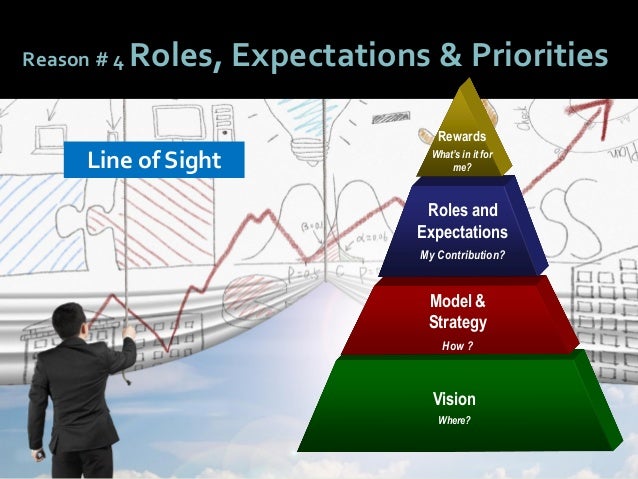
Line Of Sight Meaning In Business
Okay, picture this: I'm at a team meeting, and Sarah from marketing is excitedly pitching this amazing new campaign. She's talking about synergy, engagement, and… buzzwords galore. Honestly, I’m just nodding, pretending I understand everything. Later, I ask my teammate Mark, "So, what's the actual goal of that campaign?" He shrugs. "No clue. Sounds cool, though!" Sound familiar? We've all been there.
This whole "lost in translation" situation is what happens when you don't have line of sight in your business. And trust me, it's more common than you think. cough ever been to a corporate retreat that felt totally pointless? cough
So, What IS Line of Sight, Anyway?
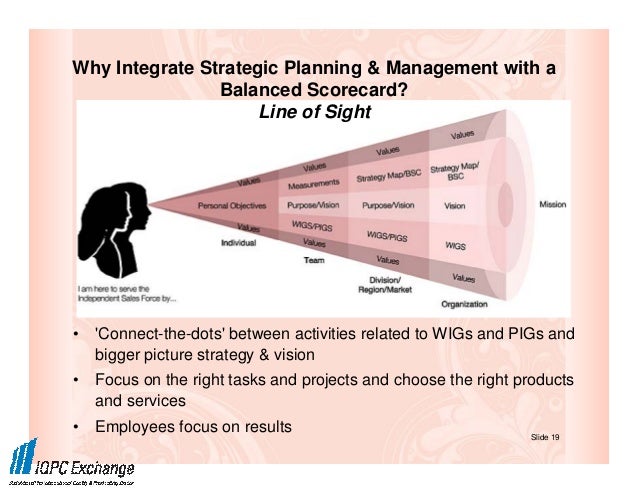
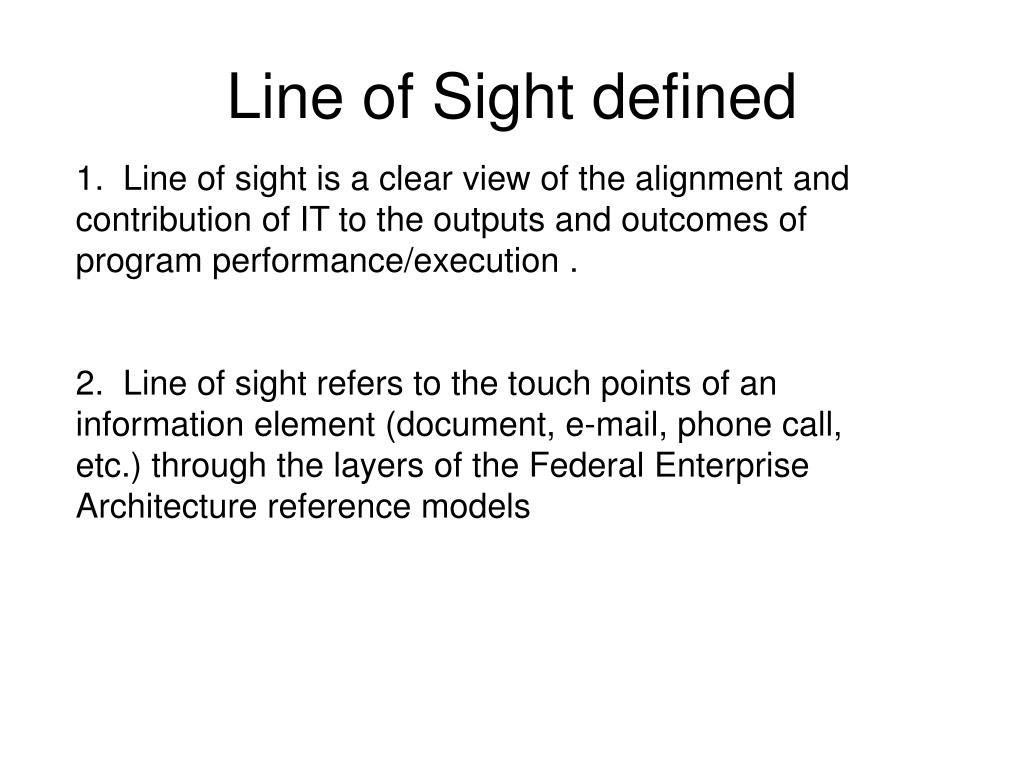
Essentially, line of sight means that every single person in your company – from the CEO down to the intern – understands how their individual work directly contributes to the company's overall goals. It's about connecting the dots. It's about making sure Sarah’s marketing campaign isn't just "cool," but actually moves the needle on a clearly defined, shared objective.
Must Read
Think of it like this: you're building a house. The architect (CEO) has the blueprint (company strategy). Each construction worker (employee) needs to know what part of the house they're building (their role) and why it’s important to the overall structure. If the electrician thinks he's wiring a shed when he's actually wiring the kitchen, you're gonna have some problems, right? I'm being dramatic but you get the point!
Why Should You Care About It?
Well, for starters, it makes people actually want to come to work. Seriously! When employees understand their purpose, they’re more engaged, more motivated, and more productive. They're not just going through the motions; they're actively contributing to something bigger than themselves. Who wouldn't want that?

Here’s a quick breakdown of benefits:
- Increased Engagement: Employees feel valued and understand their impact.
- Improved Performance: Clarity leads to better decision-making and execution.
- Reduced Waste: Less time spent on tasks that don't align with company goals.
- Stronger Teamwork: Everyone is pulling in the same direction. (Imagine a well-oiled machine, not a bunch of gears grinding against each other!)
- Better Results: Ultimately, line of sight drives business success.
How to Actually Achieve Line of Sight (Without Losing Your Mind)
Okay, so how do you actually make this happen? It’s not about micro-managing (nobody wants that!), but about clear communication and transparency. You have to make the big picture accessible to everyone. It sounds simple, but it takes effort. I promise it pays off big time.
Here are a few tips:
- Communicate, Communicate, Communicate: Regularly share company goals, strategies, and progress. Use multiple channels – town halls, newsletters, team meetings, even good old-fashioned memos (okay, maybe not memos... but you get the idea!).
- Connect Individual Goals to Company Goals: When setting performance goals, make sure each employee understands how their objectives contribute to the larger strategy. This might involve reworking the goals a bit!
- Provide Regular Feedback: Let employees know how their work is impacting the company's progress. Celebrate successes and address challenges openly.
- Encourage Questions: Create a culture where employees feel comfortable asking questions and seeking clarification. No question should be considered stupid. (Except maybe "Where do babies come from?" in a business meeting...)
![Line Of Sight: How Times Have Changed [Infographic] - Visualistan](https://1.bp.blogspot.com/-1QHuhVO2B8g/Ur7DfbBXRyI/AAAAAAAAHL0/aLTEkO_4E9w/s640/Line-Of-Sight-How-Times-Have-Changed-Infographic.png)
Line Of Sight: How Times Have Changed [Infographic] - Visualistan - Be Transparent About Performance: Sharing overall performance data shows how everyone is working towards the goal and it helps to highlight pain points.
Don't Be Afraid to Adjust
The business world is constantly changing, so your strategy and goals might need to evolve too. When this happens, make sure to communicate these changes clearly and explain how they impact individual roles. It's not enough to just say "we're pivoting!" – you need to explain why and how everyone needs to adjust. This is where leadership is truly tested.
Line of sight isn’t a one-time fix; it’s an ongoing process. It requires commitment, communication, and a willingness to adapt. But the rewards – increased engagement, improved performance, and a more successful business – are well worth the effort. So, go forth and create clarity! Your team (and your bottom line) will thank you for it.