Light Bulbs That Are Not Led
In a world increasingly lit by the crisp, efficient glow of LEDs, it's easy to forget that a whole universe of light bulbs existed before they took center stage. And guess what? Many of these "old-school" bulbs are still around, bringing their own unique charm, warmth, and even some surprising benefits to our homes and lives! It's fun to dive into the history and present of illumination beyond the LED, appreciating the diverse ways we've lit up our world for decades.
Let's take a nostalgic stroll down memory lane, or perhaps a practical detour, to explore the unsung heroes of light that aren't LEDs. Understanding these alternatives isn't just a trip down memory lane; it's about appreciating the nuances of light and knowing your options for specific needs, moods, or even artistic preferences.
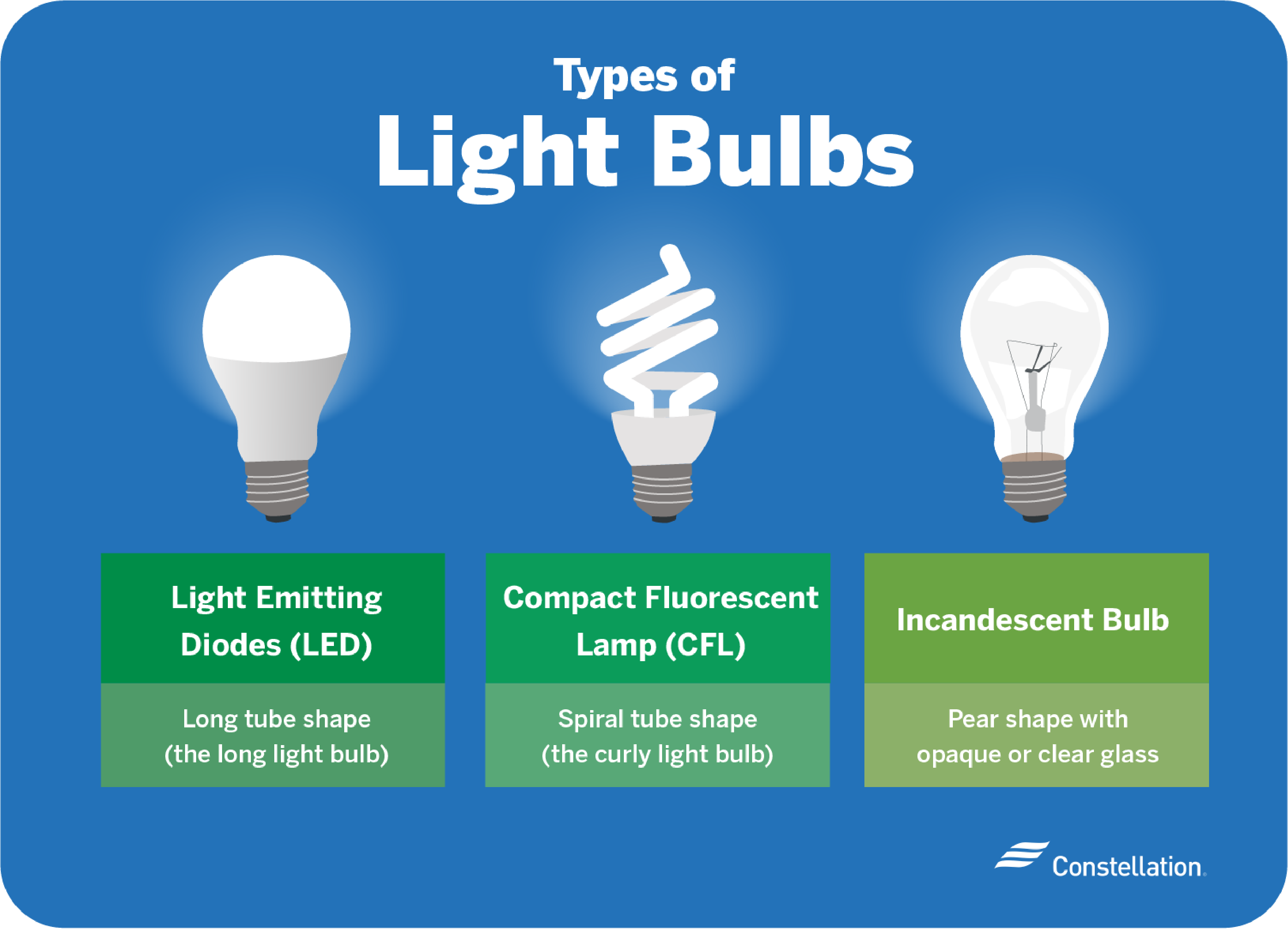
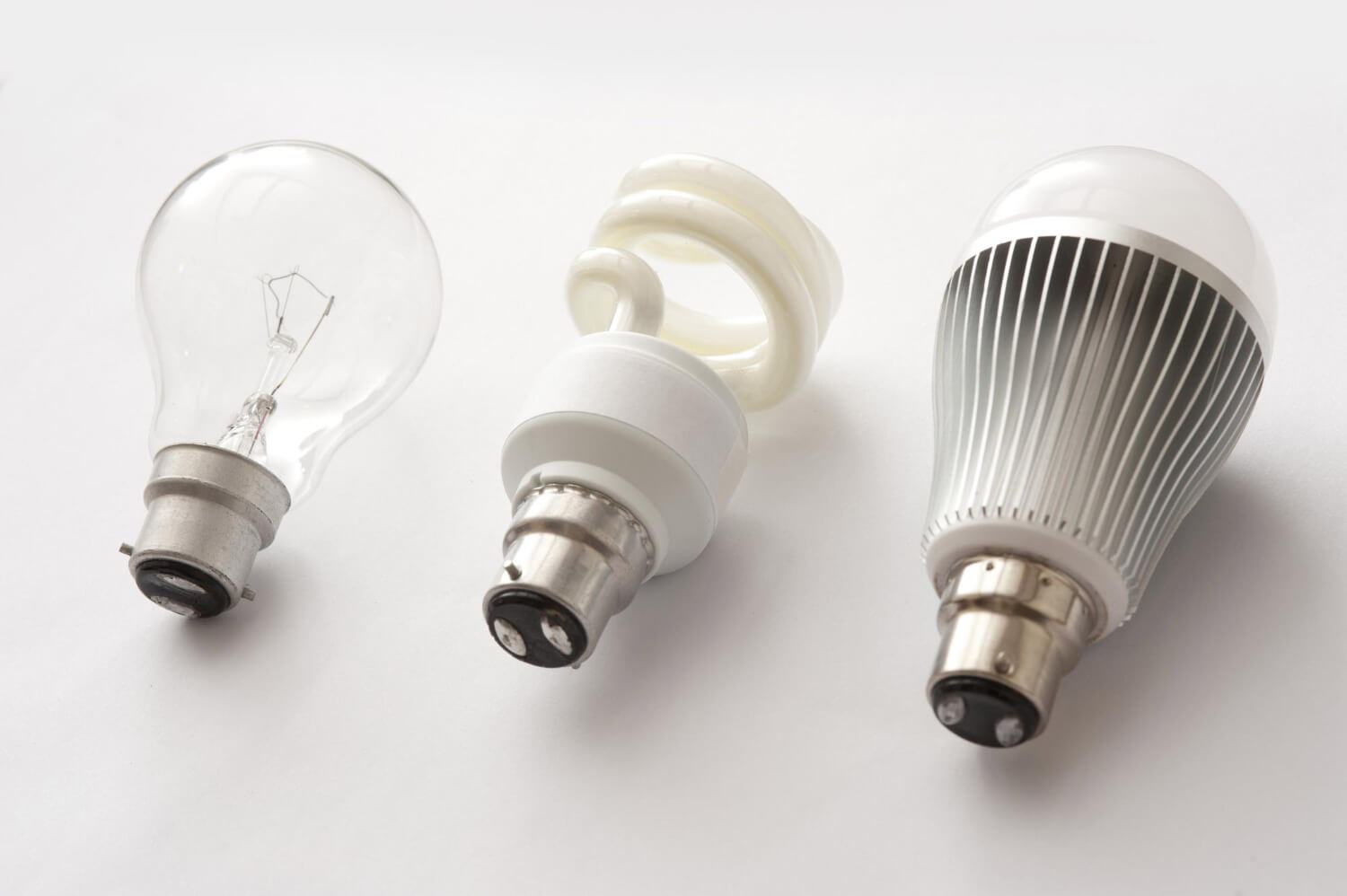
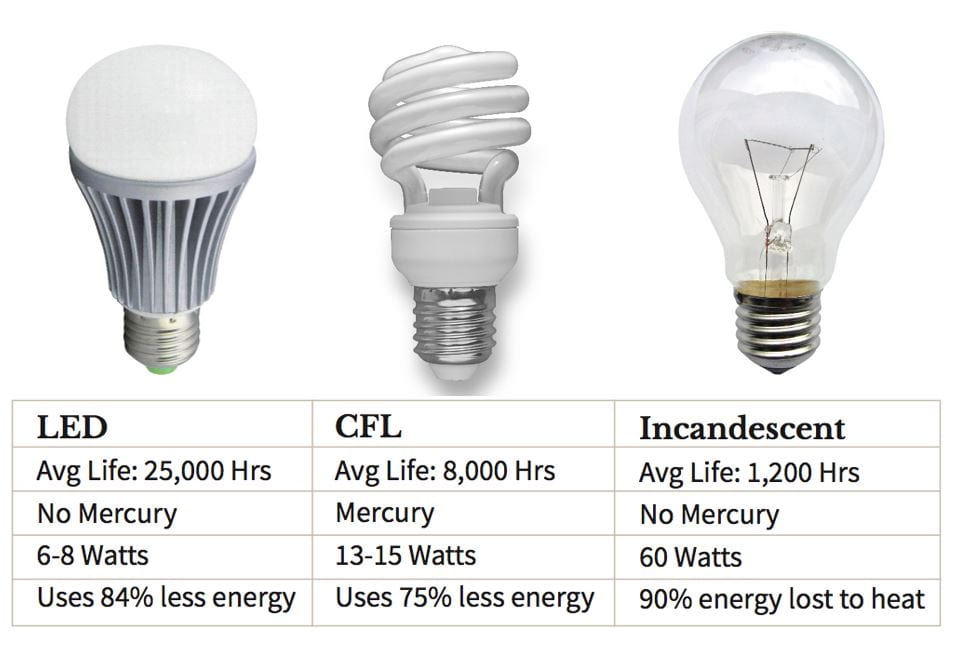
First up, the grand patriarch: Incandescent bulbs. These are the classic, original light bulbs, known for their iconic Edison-style filaments and that unmistakable, golden, inviting glow. While they're not the most energy-efficient, their purpose extends beyond just raw light output. Incandescents excel at producing a beautiful, warm light with a perfect Color Rendering Index (CRI), meaning colors look vibrant and true under their illumination. They also dim flawlessly, without flicker or color shift, making them a favorite for creating cozy atmospheres or intricate decorative fixtures where light quality and dimming control are paramount. Think of them for chandeliers, sconces, or anywhere you want a touch of timeless elegance and unparalleled warmth.
Must Read
Next, we have their slightly more efficient offspring: Halogen bulbs. These are essentially an upgraded version of incandescents, using a halogen gas to achieve a brighter, whiter light while still retaining excellent color rendering and dimmability. Halogens are often found in task lighting, spotlights, and oven lights because they provide a focused, bright beam that's great for detailed work or highlighting specific features. They offer a good balance for those who want a clear, crisp light that's still very much a "traditional" bulb experience.

And let's not forget the Compact Fluorescent Lamps (CFLs). These twisty wonders were the energy-saving champions before LEDs fully arrived. While they might have a slight warm-up time to reach full brightness and aren't always praised for their immediate light quality, CFLs are still incredibly energy-efficient compared to incandescents and halogens, and they come at a very attractive price point. They're excellent for areas where a consistent, long-lasting light is needed and immediate brightness isn't critical, like basements, utility rooms, or enclosed fixtures where the bulb isn't directly visible.
So, why choose a non-LED bulb in today's market? The benefits are clear: for specific aesthetic appeal and ambient warmth (incandescents), for superior color rendering and flawless dimming (incandescents and halogens), for cost-effective energy efficiency (CFLs), and sometimes, simply for a lower upfront cost. While LEDs are undoubtedly brilliant, there's still a place for these illuminating pioneers, each offering a unique light experience that might just be perfect for your next lighting project or simply to add a touch of classic charm to your space.