
Life Expectancy Of An Ac Unit
Oh, the glorious hum of an air conditioner! It's the unsung hero of summer, the silent guardian of our indoor comfort. When that blast of icy-cool air hits you on a sweltering day, doesn't it just feel like pure magic? But like all good things, even our trusty AC units have a lifespan, a journey from fresh-faced youth to wise, whirring elder.
Ever wondered how long your chilling champion is actually supposed to stick around? It’s not quite as simple as a expiration date on a milk carton, but there’s a sweet spot. Let's dive into the fascinating, sometimes dramatic, life expectancy of your home's coolest resident!
The Grand Average: How Long Does an AC Unit Live?
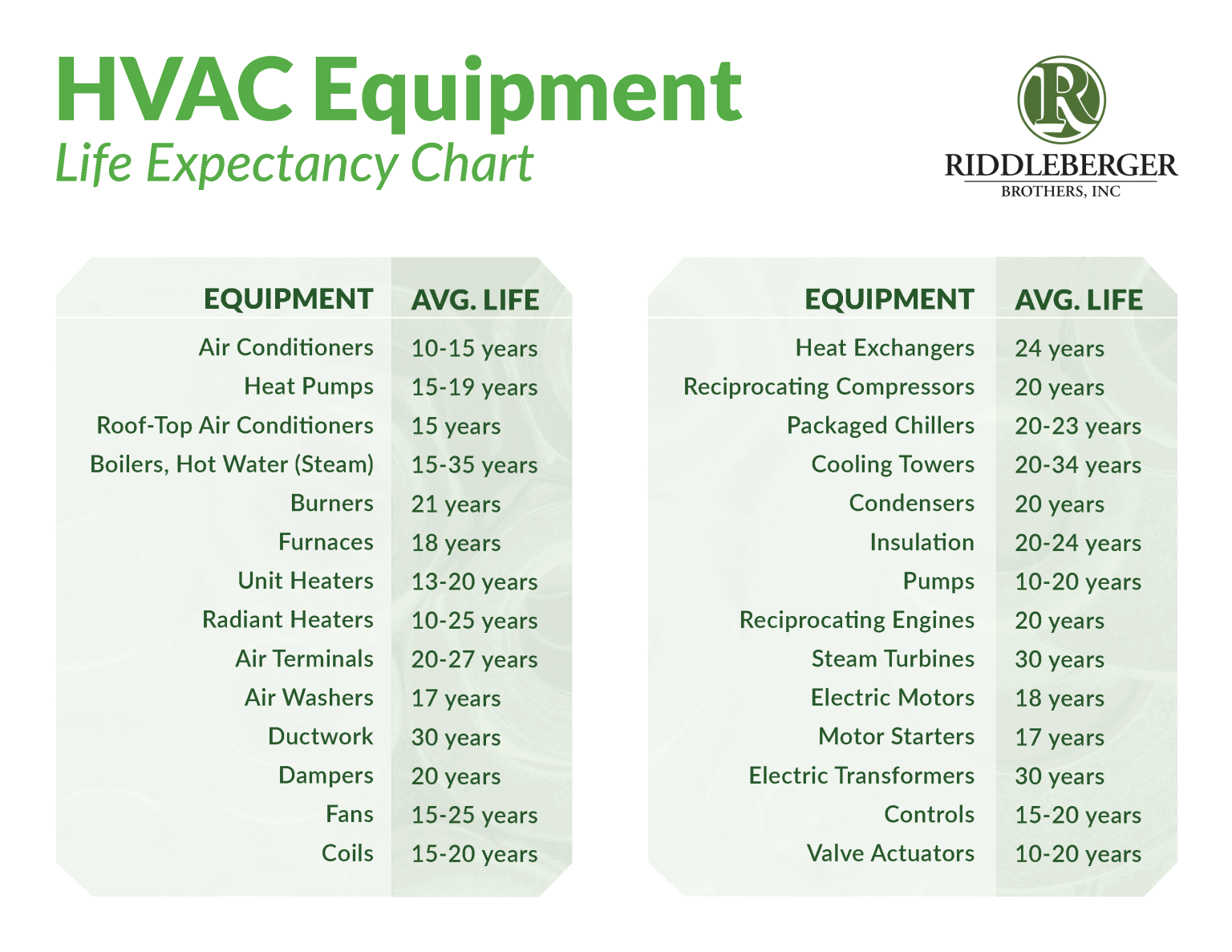
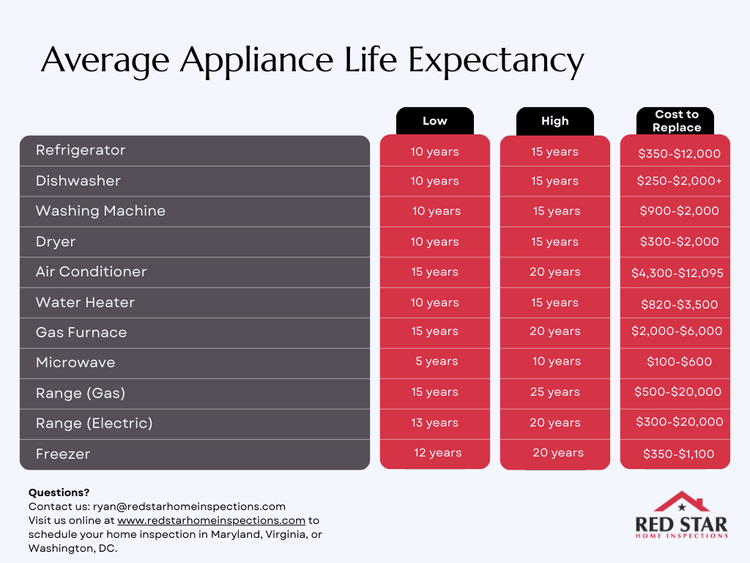
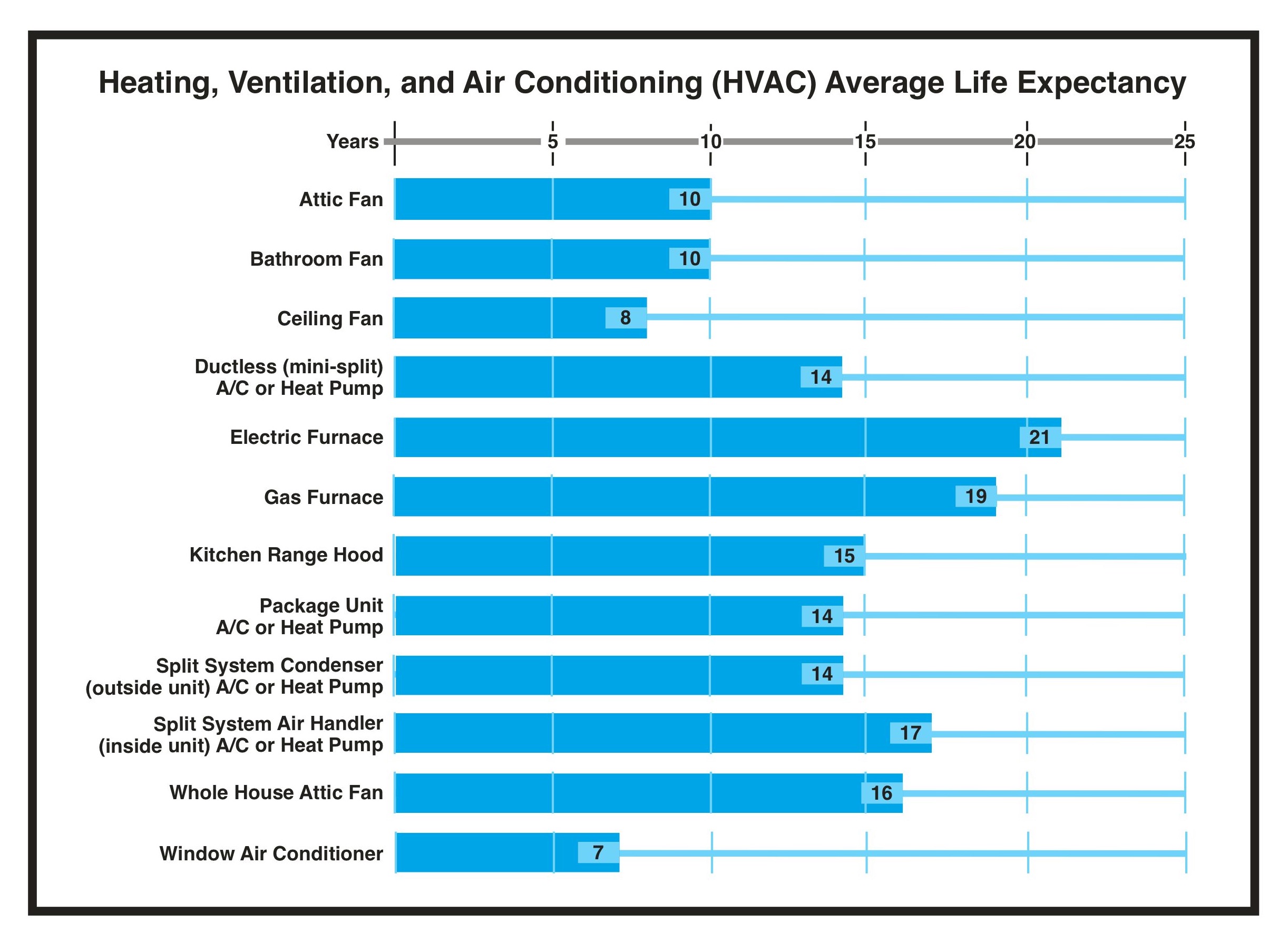
Most experts, with their serious clipboards and knowing nods, will tell you that a well-maintained central air conditioning system typically cruises along for about 10 to 15 years. Think of it like a loyal, if slightly noisy, family pet that matures gracefully. With a bit of luck and a lot of love, some even stretch into their late teens, hitting the grand old age of 20!
Must Read
Window units, bless their compact hearts, usually have a slightly shorter sprint. They generally offer a solid 5 to 10 years of dedicated service. They're more like the energetic but shorter-lived hamster of the AC world, giving it their all in a smaller package.
"Is 15 years the AC unit's version of winning the lottery? Almost! It means you've been a fantastic owner!"
What Makes an AC Unit Kick the Bucket (or Just Need a Very Long Nap)?
It's not just about counting candles on a cake; several factors play a huge role in how long your AC unit will cheerfully pump out cool air. Some ACs are like those sprightly centenarians, while others seem to develop "grumpy old man" syndrome far too early. What gives?
The TLC Factor: Tender Loving Care
This is probably the biggest secret to a long and happy AC life. Imagine never taking your car in for an oil change. Disaster, right? Your AC is the same! Regular maintenance is like giving your unit a spa day, a check-up, and a pep talk all rolled into one.
Changing those filters regularly is the absolute easiest, most impactful thing you can do. A clogged filter is like trying to breathe through a really thick blanket. Your AC has to work extra hard, straining itself and shortening its lifespan. So, please, show your filter some love!

Workload Warriors: How Hard Does It Work?
Think about where you live. Is your AC battling relentless 100-degree summers for months on end? Or does it enjoy more temperate, breezy conditions? An AC unit in, say, Phoenix, Arizona, is going to have a much tougher life than one chilling in Seattle. It’s simply working harder, longer, and under more intense pressure.
Your thermostat habits matter too. Cranking it down to arctic levels when it's scorching outside makes your AC go into overdrive. It's like asking an athlete to run a marathon every single day without a break. It's tough on the system.
Installation Excellence: A Good Start Makes All the Difference
Believe it or not, how your AC unit was initially installed is a massive deal. A poorly installed system might be too big or too small for your space, or have ductwork that's more spaghetti monster than efficient airflow. This can lead to constant strain and an early exit from the cooling game.
A properly sized and professionally installed unit, on the other hand, runs smoothly and efficiently. It’s like having a perfectly fitted suit versus one that’s three sizes too big and constantly falling off. Comfort and longevity are directly impacted.
Brand Power and Quality: Built to Last
Just like cars or appliances, some AC brands are simply built with more robust components and higher quality standards. A premium brand might cost a little more upfront, but it often translates into a longer, more reliable service life. It's the difference between a finely crafted watch and a dollar store timepiece.

Of course, even the best brands need their maintenance. Even a Ferrari won't last without proper care, right? But starting with a strong foundation certainly helps your AC defy the odds.
Signs Your AC Might Be Entering Its "Retirement Phase"
No AC unit just suddenly drops dead without a warning. They usually give you little hints, like an elderly relative muttering about their joints acting up. Keeping an eye out for these signals can help you prepare and decide if it's time for a repair or a full replacement.
Listen closely! Is your AC starting to sound like a haunted house? Rattling, grinding, hissing, or screaming noises are definitely not good signs. These sounds often point to mechanical issues or problems with the fan motor, indicating wear and tear that could soon lead to bigger problems.
Are your energy bills suddenly skyrocketing faster than a rocket to Mars? An aging AC unit often loses its efficiency, meaning it has to work much harder to produce the same amount of cool air. This extra effort translates directly into higher electricity usage, making your wallet weep.
Perhaps the most obvious sign: is your house just not getting as cool as it used to? Are there hot spots, or does the air feel clammy instead of crisp? If your AC is blowing warm air or struggling to maintain the set temperature, it’s a clear cry for help. It's probably losing its cooling power due to old age or a major component failure.
"When your AC starts making noises like a grumpy old wizard casting a spell, it's probably time to call for backup!"
Giving Your AC the Best Chance at a Long Life: The "Fountain of Youth" Tips
Want to squeeze every last drop of cool air out of your unit? Absolutely! Here are some golden rules to help your AC live its best, longest life.
Schedule Annual Professional Tune-Ups: This is non-negotiable! A qualified technician can catch small problems before they become catastrophic failures. They'll clean coils, check refrigerant levels, tighten electrical connections, and basically give your unit a full physical. Think of it as your AC's annual wellness check.
Change Those Filters, Folks! Every 1-3 months, depending on usage and whether you have pets. This simple act drastically improves airflow, maintains efficiency, and reduces strain on the system. It’s truly the easiest DIY maintenance job with the biggest payoff.
Keep the Outdoor Unit Clear: Ensure the outdoor condenser unit is free from leaves, grass clippings, and other debris. Make sure there’s at least two feet of clear space around it. This allows for proper airflow and helps the unit dissipate heat effectively. Trim back any bushes or plants that might be encroaching.
Don't Overwork It: Set your thermostat to a reasonable temperature and try not to constantly adjust it. Using a programmable thermostat can help you maintain comfortable temperatures efficiently without overtaxing the system. Let your AC chill out a bit!
Seal Air Leaks in Your Home: Drafty windows and doors make your AC work harder than it needs to. Sealing these leaks with caulk or weatherstripping helps keep the cool air in and the hot air out, reducing the load on your AC unit. It’s like putting a blanket on your house to keep it cozy.
When to Say Goodbye: The Grand Retirement Party
Eventually, even the most beloved AC unit reaches a point where repairs just aren't worth it. There's a handy rule of thumb: the 50% rule. If the cost of repairing your existing unit is more than 50% of the cost of a brand-new replacement, it's almost always smarter to replace it. Throw that old warrior a retirement party and usher in a sparkling new era of cool.
Modern AC units are also incredibly energy-efficient compared to older models. A new unit could save you a significant amount on your energy bills each month, often enough to offset a good chunk of the replacement cost over its lifespan. Plus, new units often come with fancy features like smart thermostat integration and quieter operation. Ah, bliss!
So, whether your AC is a spry youngster or a wise old sage, remember that a little attention goes a long way. Treat your cooling companion right, and it will reward you with years of blissful, breezy comfort. Stay cool, friends!