
Life Expectancy Of A Carbon Monoxide Detector
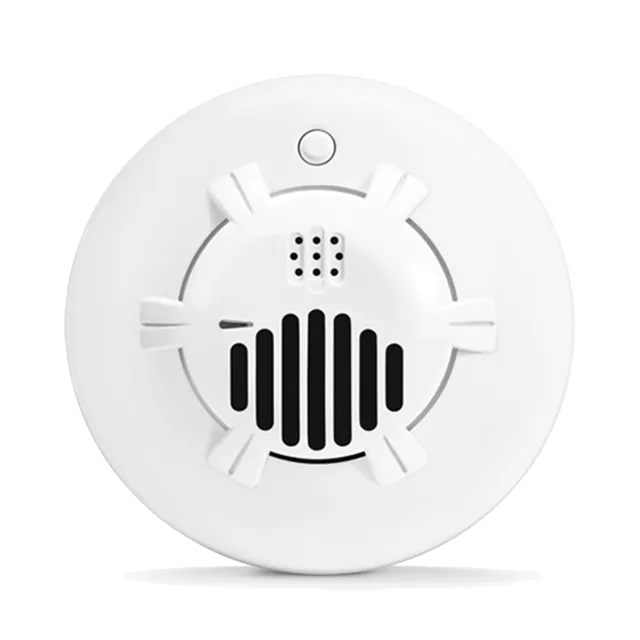
Alright, grab another sip of that coffee, because we're about to chat about something that's, well, not exactly a party topic, but super important. We're talking about those little guardians in our homes: carbon monoxide detectors. You know, the ones that sit there silently, like tiny, vigilant superheroes, keeping an eye on an invisible enemy.
And let's be honest, how often do you actually think about them? Probably only when the battery starts chirping at 3 AM, right? Classic. But here's the kicker, friend: these silent sentinels, bless their little electronic hearts, don't last forever. Nope, not even close. They have a shelf life, a sort of expiration date, just like that yogurt you forgot about in the back of the fridge. Whoops!
So, What's the Deal? How Long Do These Things Actually Stick Around?
This is where it gets a bit eye-opening for most folks. You might think, "Oh, I put that up like, a decade ago, it's fine!" Spoiler alert: it’s probably not. Most carbon monoxide detectors, the standalone kind, are generally good for about five to seven years. Yeah, you heard that right. Not ten, not fifteen. Five to seven. That's it! It's probably shorter than you imagined, isn't it?
Must Read
Think about it like this: your car needs an oil change, your phone battery starts giving up the ghost after a few years, and even your favorite comfy socks eventually get holes. Everything has its limits, and CO detectors are no exception. They’ve got delicate sensors inside them, little chemical brains that are constantly sniffing the air for that dangerous, odorless, colorless gas. And over time, those sensors just... they get tired. They wear out. They lose their zing.
It’s not like they suddenly decide to clock out with a dramatic puff of smoke. Nope. They just slowly, imperceptibly, become less accurate, less sensitive. And when you're dealing with something as sneaky and deadly as carbon monoxide, "less accurate" isn't exactly a comforting thought, is it? We need our protectors to be at peak performance, always. No slacking on this job!

How Do You Even Check This Thing?
Alright, so you're probably thinking, "Okay, wise guy, how do I know if mine is about to stage its tiny electronic retirement?" Good question! This is where we play detective. First, and this is crucial, grab a ladder (safely, please!) and take that detector down. Flip it over. Seriously, do it. What are you looking for?
There should be a little label, usually on the back or side, that tells you the manufacture date and, more importantly, the "replace by" date. It’s often printed right there, in plain English (or whatever language they picked for the sticker). If that "replace by" date has passed, or if it's coming up soon, then bingo! You've got your answer. Time for a new one, my friend.
And hey, don't confuse that "test" button with an "all clear for life" button. That little button is fantastic for checking the battery and making sure the alarm sound works. It's like checking if your car horn honks. Great! But it doesn't tell you if the engine itself is about to fall out. Same deal here. The test button tells you if the alarm can still shriek, but not if the sensor is still actually capable of detecting carbon monoxide effectively. Big difference!

What Happens if It's Too Old?
Well, here's the not-so-fun part: an old, worn-out detector is essentially a really fancy piece of plastic on your wall. It's giving you a false sense of security, which, honestly, is almost worse than not having one at all. You think you're protected, but you might not be. It’s like having a bodyguard who's fallen asleep on the job. Not ideal when danger is lurking, right?
Carbon monoxide, for those who need a gentle reminder, is a real nasty piece of work. It's completely undetectable by human senses. You can't see it, smell it, or taste it. It quietly replaces the oxygen in your blood, leading to all sorts of scary symptoms – headaches, nausea, dizziness, confusion – and eventually, tragically, unconsciousness and death. So, having a detector that's truly on the ball is not just a good idea, it's a life-saver. No exaggeration here, folks.

Quick Tips and a Friendly Nudge
So, now that we've had our little coffee chat about CO detector longevity, here's your homework, if you choose to accept it:
- Check the date! Seriously, go do it. Right after this.
- If you can't find a date, or if it's a super old model, just assume it's past its prime and replace it. Better safe than sorry, always.
- Aim for at least one CO detector on each level of your home, and definitely one near sleeping areas. More is better!
- Consider the combo units (smoke and CO). They're super convenient, but remember they still have a lifespan, often tied to the CO sensor's shorter life.
- Battery-powered ones are great for flexibility, but those plug-in ones with battery backup are pretty sweet too. Choose what works for your space!
Look, replacing these things every five to seven years might feel like another chore, another expense. But when you weigh it against the peace of mind, the actual safety of your family and yourself, it's probably one of the cheapest insurances you'll ever buy. Think of it as a tiny investment in huge protection. A real no-brainer, if you ask me!
So, go on. Finish that coffee, then go give your little CO detector a good, hard look. You might just be giving it an honorable retirement and bringing in a fresh, keen-eyed recruit. And honestly? That's a pretty good feeling. Stay safe out there, my friend!
