
Life Cycle Curve Of A Product
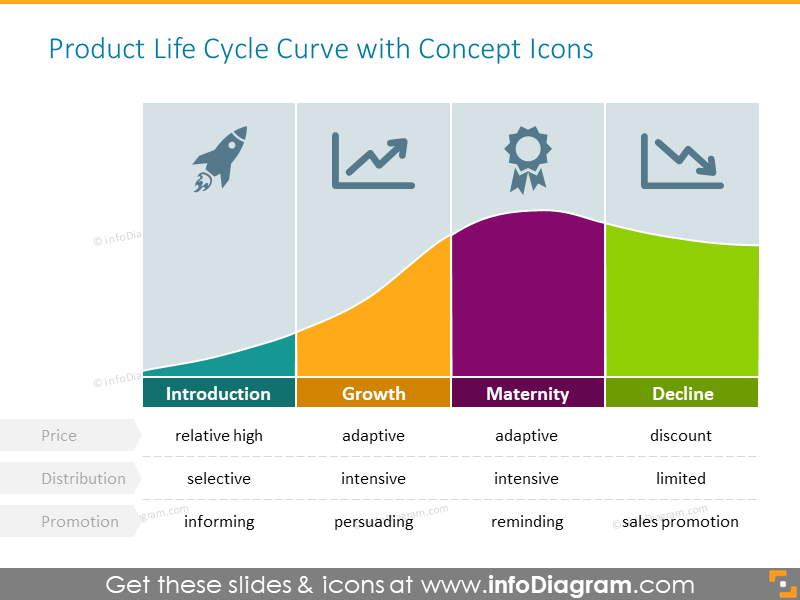
Have you ever thought about the incredible journey a product takes from just an idea to something we all know and maybe even love? It's not just born, lives, and vanishes; there's a whole dramatic arc involved! Imagine it like a captivating story, with different chapters unfolding over time.
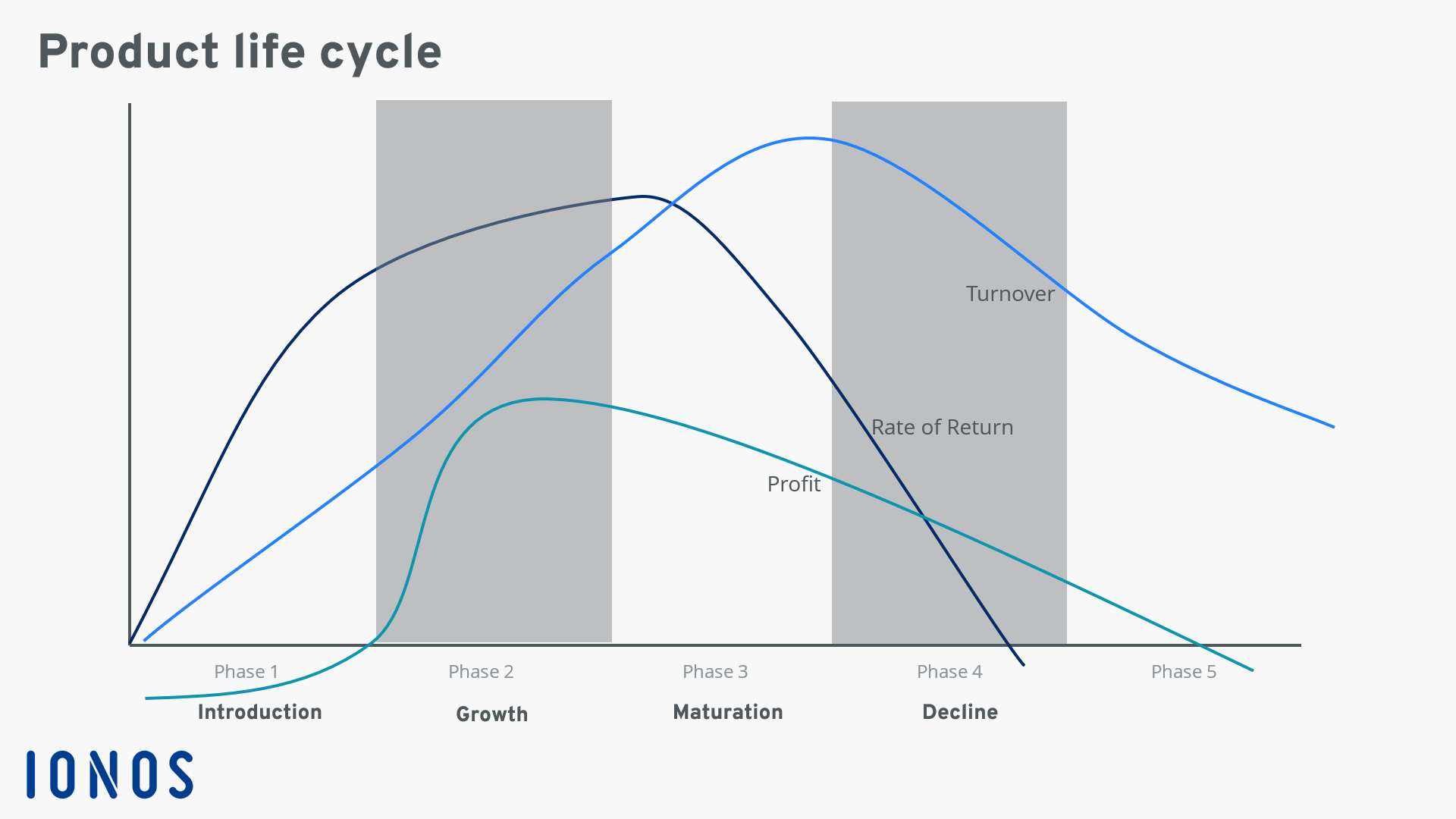
This fascinating saga is often called the Life Cycle Curve of a product. It's an invisible roadmap that many items around us follow, and once you start seeing it, it's absolutely brilliant fun! You'll begin spotting the signs everywhere, turning everyday shopping into a detective game.
Why is it so entertaining, you ask? Because it mirrors life itself! Products have their moments of glory, their struggles, and sometimes, a quiet exit. It's a tiny, commercial opera playing out all around us.
Must Read
The Grand Debut: Introduction Stage
Every product starts somewhere, right? This is the Introduction Stage, the thrilling moment a new item steps onto the world stage. It's fresh, it's new, and nobody really knows if it's going to be a hit or miss.
Think of it as a shy but hopeful newcomer. The creators are often a mix of anxious and excited, pouring their hearts into making it noticed. They are trying to convince us that their invention is truly special.
What makes this stage special? It's the sheer novelty! Remember when smartphones first appeared? Or streaming services? There was a buzz, a sense of wonder, and a little bit of doubt.
It’s like rooting for the underdog in a competition. You watch closely, wondering if this new gadget or service will catch on. There's an exciting sense of discovery involved.
"Will it fly? Will people get it? Will they love it?" These are the questions hanging in the air during introduction.
This chapter is all about daring attempts and brave first steps. Observing products in this early phase feels like being present at a birth. There's potential, hope, and the thrill of the unknown, showcasing human ingenuity at its rawest.
It's fun to look back and see how something revolutionary started as a mere whisper. Sometimes, a product explodes right out of the gate, while others take a slow, steady climb.
The first users are pioneers, often enthusiasts eager to embrace the next big thing, and their reactions can make or break a product's future. They are the trendsetters, the brave souls trying something completely unproven.
So next time you see a quirky new item on the shelves, take a moment. You might be witnessing the very first breath of a future legend, or perhaps a charming, fleeting novelty. Either way, it's a front-row seat to innovation.
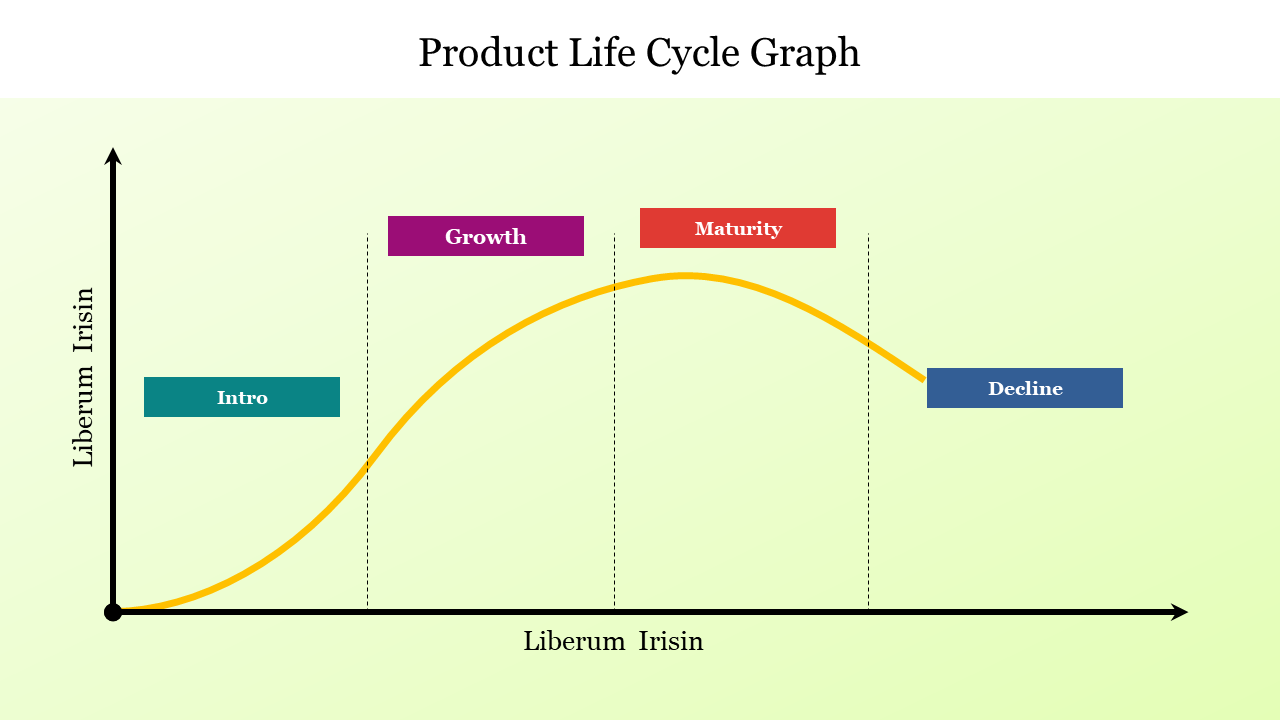
The Soaring Success: Growth Stage
If a product survives its introduction, it often enters the Growth Stage. This is where things get really exciting and often very fast-paced! Suddenly, everyone wants a piece of the action.
Imagine a band that played in small clubs, suddenly selling out stadiums. That's the vibe here. Sales shoot up, and the product becomes a household name, or at least a highly talked-about one.
Why is this stage so entertaining? It’s exhilarating to watch something take off! You might have been an early adopter, feeling smug that you knew it first. Or you might be joining the wave, excited to be part of something popular.
New competitors often pop up, trying to mimic the success. This creates a lively, bustling marketplace. Everyone wants a slice of the pie, leading to more choices and often better features for us.
It’s the "I must have that!" moment for many consumers.
Products in this stage are often refined and improved. Feedback from those early users helps shape them into something even better. It’s a period of rapid evolution and expansion.
Think about popular video games, social media platforms, or trendy fashion items that suddenly became ubiquitous. They were once new, then they exploded. Observing this boom is captivating.
The energy is infectious, with marketers busy and production lines humming. It’s a dynamic period filled with positive momentum. Everyone is chasing the success story, and it’s a thrilling race.
You get to see products go from niche to necessary, or at least widely desired. It's proof that a good idea, executed well, can really capture the public's imagination. This stage feels like a party everyone wants an invitation to.
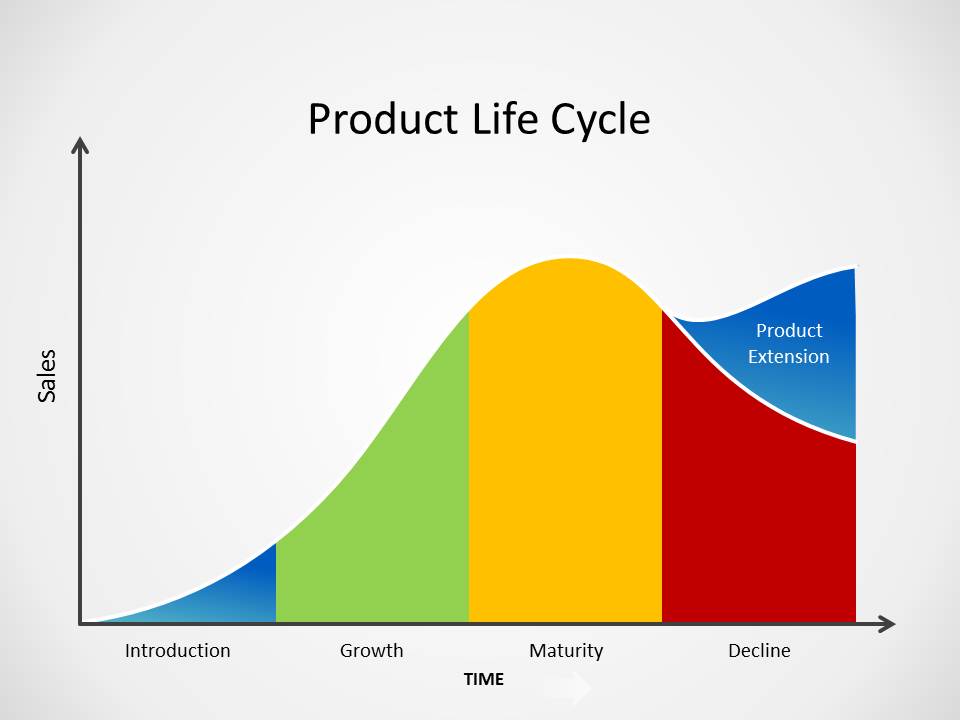
The Steady Reign: Maturity Stage
After the rocket-like ascent, most products settle into the Maturity Stage. This is the product's prime time, its steady reign. It's widely known, widely used, and often a very familiar sight.
Think of your favorite soft drink, a classic car model, or a well-established app. They are everywhere, and they've been around for a while. They've found their groove, becoming reliable staples.
What makes maturity interesting? It's the battle for loyalty. Companies aren't just attracting new users; they're working hard to keep their existing ones. This often means small, clever innovations or smart marketing.
Competition is fierce here. Everyone knows the market, so companies try to stand out with unique features, better prices, or fantastic customer service. It's a strategic chess match, full of subtle moves.
This is where products become household staples.
We often take these products for granted because they are so ingrained in our lives. But behind the scenes, there's constant work to maintain their relevance and appeal. It's a marathon, not a sprint.
Look for the subtle tweaks: a new flavor, a slightly redesigned package, a software update with a handy new tool. These are efforts to keep the product fresh without reinventing the wheel entirely.
This stage offers a comfort in familiarity. We know what to expect, and that reliability is comforting. It’s like an old friend who is always there for you, dependable and predictable.
Observing maturity helps you appreciate the staying power of some ideas. It shows how strong branding and consistent quality can cement a product's place in the market for years. It's the era of refinement and stable dominance.
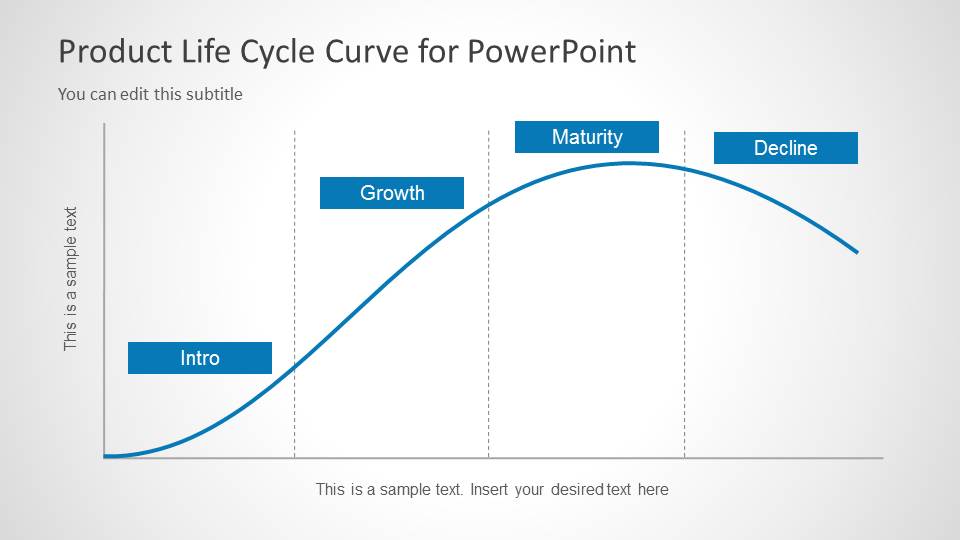
The Gentle Fade: Decline Stage
Sadly, even the best stories have an ending, and products eventually reach the Decline Stage. This is when sales start to drop, and the product becomes less popular. It's a natural part of the cycle.
It’s not always a sudden crash. Sometimes, it’s a slow, graceful exit as newer, better alternatives come along. Think of DVD players giving way to streaming, or flip phones to smartphones.
Why is decline interesting, even entertaining? It's often filled with nostalgia! We remember the good old days when that product was cutting-edge. It's a bittersweet farewell to a beloved item.
Sometimes, products in decline make a comeback as "retro" items, finding a new niche with collectors or enthusiasts. This adds a fun plot twist to their journey, a chance for a second act.
This stage often sparks a feeling of "Oh, I remember that!"
Observing decline reminds us that innovation never stops. There's always something new waiting in the wings to take over. It's a testament to progress and change, a continuous evolution.
Companies might try to revive a product with a major overhaul, or they might simply let it fade gracefully. Each approach tells its own story about the market and consumer tastes. It reveals strategic decisions.
It’s a chance to reflect on how technology and trends evolve. What was once essential becomes obsolete, paving the way for the next big thing. It’s the circle of life, product style, playing out before our eyes.
So when you see a product slowly disappearing from shelves, don't just see an ending. See the transition, the legacy, and the space it's making for what comes next. It’s a thoughtful conclusion to a product's exciting adventure.
The Whole Picture: Why It's So Special
Seeing a product go through all these stages, from birth to prime to gentle fade, is truly special. It's like watching a full theatrical production with acts, drama, and a conclusion.
You can track your own relationship with products over time. Remember when you first got excited about a new gadget? Or when an old favorite just seemed to disappear from stores?
It makes you look at every item around you with a new sense of curiosity. Is that new coffee maker in its introduction? Has that classic car brand been in maturity forever, constantly reinventing itself?
It's like having a secret superpower to understand the commercial world's heartbeat.
The product life cycle isn't just for business gurus; it's a fun lens through which to view our consumer landscape. It highlights human ingenuity, adaptation, and our ever-changing desires.
It teaches us that nothing lasts forever, but also that new ideas are always bubbling up. It’s a dynamic, ongoing story with endless characters and plot twists. Each product has its own unique tale.
So next time you're browsing online or walking through a store, take a moment. Observe the products around you. Try to guess where they are on their life cycle curve and why.
You'll find yourself seeing the world in a more engaging, insightful way. It’s a simple concept that opens up a whole new level of appreciation for the journey of everyday things.
Get ready to become a product life cycle detective; it's a surprisingly entertaining role to play! Happy observing!