Led Conversion Led Wattage Comparison Chart
Ever peeked at a light bulb box and felt a tiny bit confused? You’re not alone! For decades, we all knew that a 60-watt bulb meant a certain level of brightness, and a 100-watt bulb was brighter still. It was simple, right? But then LEDs swooped in, changing the game entirely, and suddenly those familiar wattage numbers didn't quite tell the whole story anymore. It's like switching from a trusty old flip phone to a sleek smartphone – same basic function, but a whole new language to learn!
So, what’s the big deal with LED conversion and wattage comparison charts? Well, it’s actually pretty fascinating, and understanding them is your secret superpower for brighter, more efficient living.
Goodbye Old Watts, Hello New Efficiency!
Think about it: traditional incandescent bulbs created light by heating a filament until it glowed. Most of the energy they consumed actually turned into heat, not light. It was kind of like trying to make toast with a hairdryer – it might work, but it’s super inefficient!
Must Read
LEDs, on the other hand, are champions of efficiency. They produce light through a semiconductor process, making very little heat. This means they use way less energy to produce the same amount of light. So, when you see an LED bulb box, its wattage isn't a direct measure of brightness anymore; it's more about how much energy it consumes to perform its magic. A modern LED might only need 9 or 10 watts to give you the same amount of light as that old 60-watt incandescent!
Pretty cool, right? But this also creates a little puzzle for folks trying to replace their old bulbs. How do you know which LED to pick to get the brightness you’re used to?
Enter the LED Wattage Comparison Chart!
This is where our trusty comparison chart comes in. Imagine it as a translator, helping you bridge the gap between the old world of incandescents and the bright new world of LEDs. These charts are designed to take the guesswork out of your lighting choices.
Instead of focusing on watts, which, for LEDs, mainly tell you about energy consumption, these charts encourage you to look at something called lumens. Lumens are the true heroes here!
What's a lumen? In simple terms, a lumen is the scientific way to measure the total amount of visible light produced by a source. Think of it like this: if watts tell you how much fuel your car uses, lumens tell you how fast it actually goes. For a long time, we just assumed more fuel (watts) meant more speed (light), but now with super-efficient engines (LEDs), you can go just as fast, or even faster, on a lot less fuel!

Decoding the Chart: Your Brightness Map
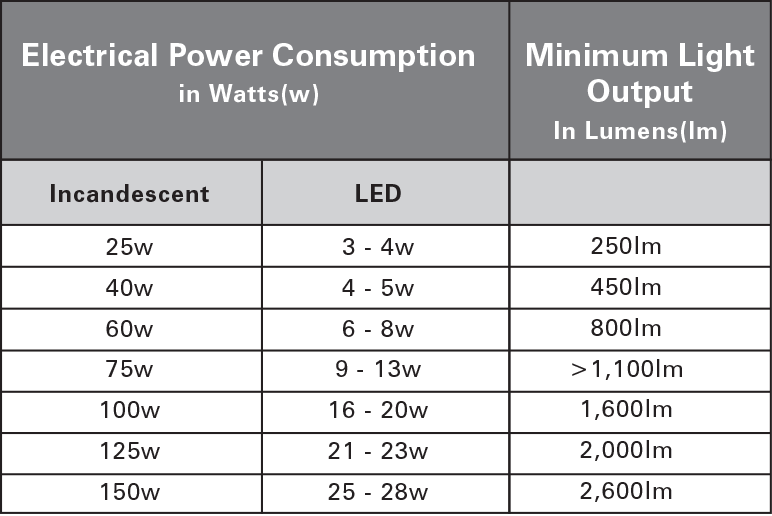
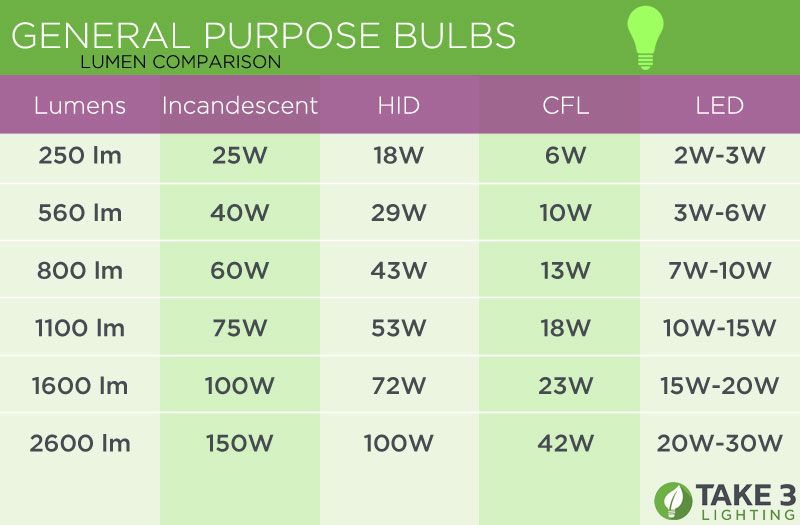
A typical LED conversion chart will have two main columns:
- Traditional Incandescent Wattage: This column lists the old familiar wattages, like 40W, 60W, 75W, 100W.
- Equivalent LED Wattage / Lumens: This column will show you two key pieces of information. First, the much lower wattage an LED needs to produce a similar amount of light. Second, and most importantly, the lumens output.
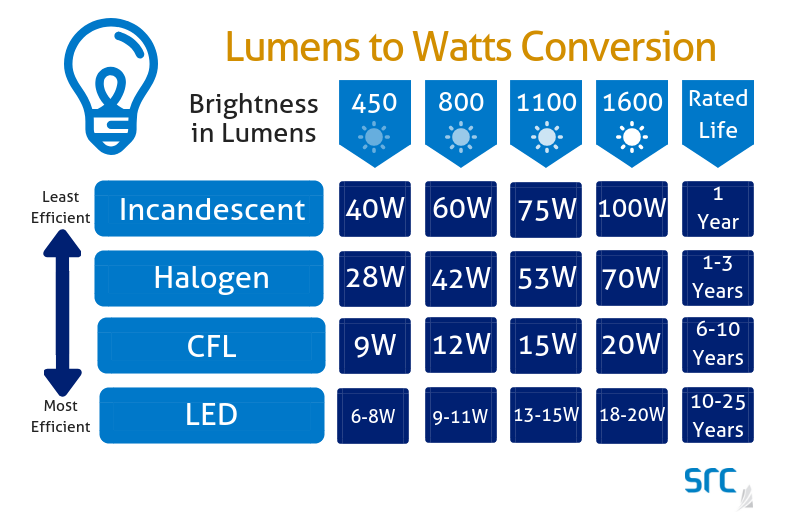
So, if you’re looking to replace a traditional 60-watt bulb, you’d find that on the chart. Then, you'd slide over to see that you actually need an LED bulb that's probably around 8-12 watts, and most importantly, produces about 800 lumens. See? Lumens are your new best friend for brightness!
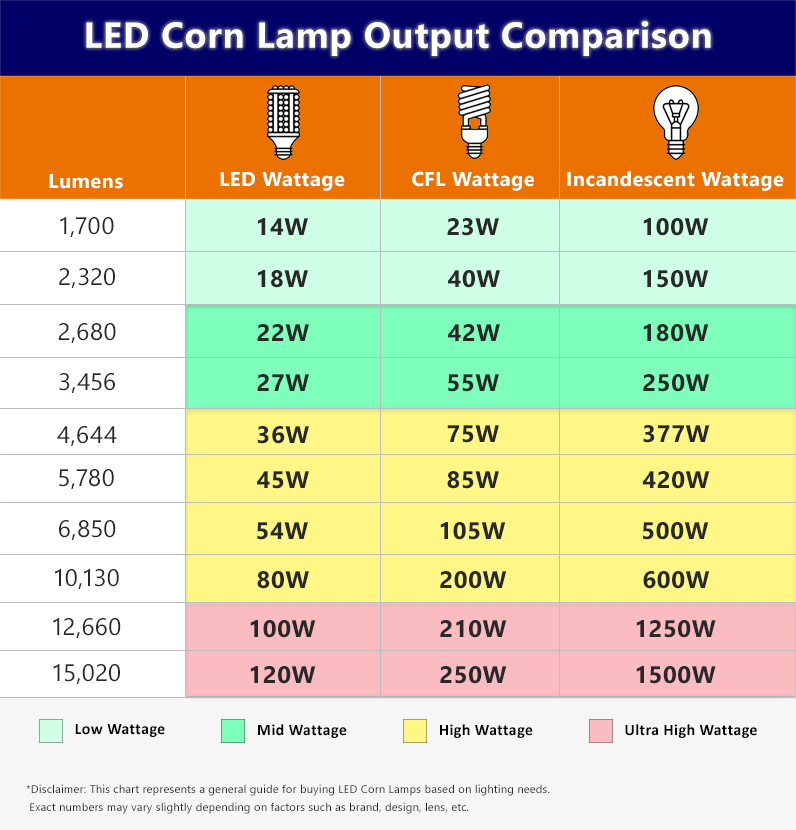
It’s really that straightforward. You find your old bulb's wattage, then look across to see the lumen number you should be aiming for in your new LED. Forget the new, lower LED wattage for a moment; just focus on hitting that lumen sweet spot!
Why Is This So Cool and Interesting?
Beyond just helping you pick the right bulb, understanding these charts is a gateway to some truly awesome benefits:
- Money in Your Pocket: Switching to LEDs and using these charts to make smart choices means significantly lower electricity bills. It's like finding a perpetual discount code for your lighting!
- Eco-Warrior Status: Less energy consumption means a smaller carbon footprint. You’re doing your part for the planet, one brightly lit room at a time. High five!
- Long-Lasting Love: LEDs last ages – often 15-25 times longer than incandescents. That means fewer trips to the store and less time fussing with ladders. More time for fun stuff!
- Customized Comfort: Once you're comfortable with lumens, you can start experimenting with other LED features like color temperature (do you like warm, cozy light or bright, energizing light?) or even smart features.
- Empowerment! No more guessing games. You're no longer at the mercy of confusing numbers; you’re an informed consumer, confidently choosing the perfect light for every space.
So, the next time you’re in the light bulb aisle, don’t let those changing numbers intimidate you. Embrace the LED conversion wattage comparison chart. It’s not just a technical guide; it’s your roadmap to a brighter, more efficient, and undeniably cooler home. Happy lighting!