
Las Unidades Decibelios Se Utilizan Para Medir

Ever wonder how we measure the loudness of things? From the gentle hum of your fridge to the roar of a rock concert, there's a hidden hero at play: the decibel. It's the unit we use for sound, and it's surprisingly quirky.
Think of it like this: decibels are like the secret language of noise! Without them, we'd be stuck saying things like, "That vacuum cleaner is…loud. Very loud." Not exactly scientific, is it?
Decibels: Not Your Average Unit
The thing about decibels is, they're not linear. They're on a logarithmic scale. This means a small change in decibels represents a big change in the actual sound intensity.
Must Read
Imagine a dial that controls the volume. Turning it up a little might not seem like much, but the jump in loudness is actually huge! That's the decibel scale in action, magnifying the impact of each increase.
The Whispering Library (and Other Quiet Places)
Let's start at the quiet end of the spectrum. A library usually registers around 40 decibels. That's about the same as a quiet conversation.
Imagine tiptoeing through a library, shushing anyone who dares to breathe too loudly. You're protecting the sanctity of those precious 40 decibels!
A whisper itself is even lower, clocking in at around 30 decibels. It's the sound of secrets, of clandestine plots whispered in darkened corners. Or maybe just someone asking for a pencil.
Everyday Sounds, Decibel by Decibel
Now let's venture into the world of everyday sounds. A normal conversation is around 60 decibels. That's the sweet spot for chatting with friends or arguing about the merits of pineapple on pizza.
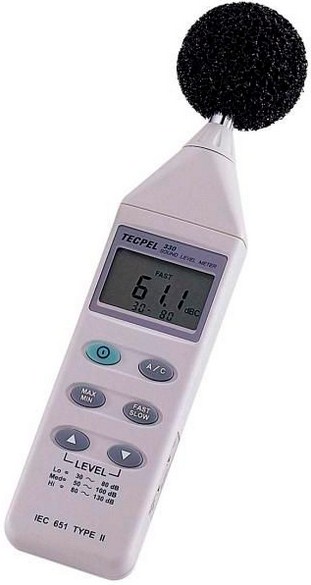
Traffic noise usually hovers around 85 decibels. It's the soundtrack to city life, the constant hum of cars, buses, and the occasional disgruntled taxi driver laying on the horn.
A lawnmower cranks things up to about 90 decibels. It's the sound of suburban warfare, as neighbors battle for the title of "Greenest Lawn." Safety first though, protect your ears!
The Danger Zone: Loud Noises and Your Ears
This is where things get serious. Sounds above 85 decibels can cause hearing damage over time. So, listen up! (Pun intended).
A motorcycle revving its engine can reach 95 decibels. That's like having a tiny rock concert happening right next to your ear. Cool maybe, but dangerous!
A rock concert? Forget about it. Those can easily hit 110 decibels, and sometimes even higher! It's an auditory assault, a thrilling (but potentially damaging) experience.
Prolonged exposure to sounds at or above 100 decibels can lead to permanent hearing loss. That's why musicians and concert-goers often wear earplugs. It's not about being uncool; it's about protecting your precious hearing!
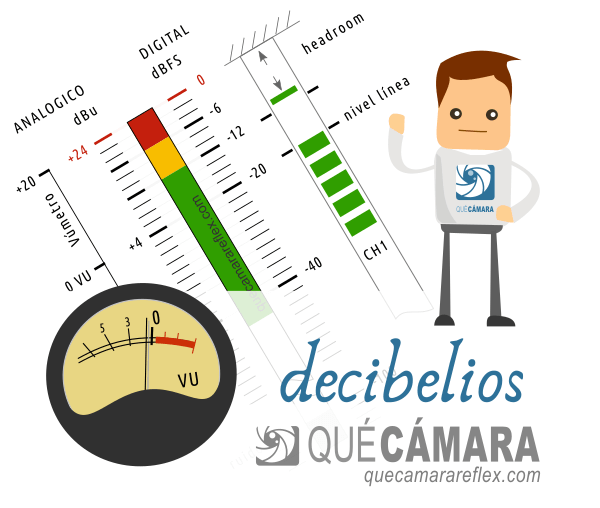
Decibels: More Than Just Loudness
Decibels aren't just about loudness; they also measure other things. They can measure the power of a signal in electronics or even the strength of an earthquake (though that's usually measured on the Richter scale, but similar principles apply!).
Think of a tiny antenna picking up a faint radio signal. The strength of that signal is also measured in decibels, even though you can't "hear" it.
It's all about comparing a measured quantity to a reference level. The decibel scale helps us manage those comparisons with precision.
The Curious Case of Negative Decibels
Believe it or not, you can even have negative decibels! This means the sound is quieter than the reference level. It's like entering a zone of absolute silence, a place where even whispers fear to tread.
Imagine a soundproof room, so quiet you can hear your own heartbeat. The sound level in there might dip below zero decibels.
It's a reminder that silence, true silence, is a rare and precious thing.

Decibels in Our Daily Lives
We encounter decibels every day, even if we don't realize it. They're in our homes, our workplaces, and our entertainment venues.
Think about adjusting the volume on your TV. You're essentially controlling the decibel level. Turning it up too high can annoy your neighbors, turning it down too low can make it hard to hear the dialogue.
Even the hum of your refrigerator is measured in decibels. Manufacturers strive to make appliances as quiet as possible, minimizing the noise pollution in our homes.
Protecting Your Ears: A Decibel-Conscious Approach
The most important thing to remember about decibels is their impact on our hearing. Protecting your ears is crucial, especially in a noisy world.
Wear earplugs at concerts or when using power tools. Give your ears a break from loud noises whenever possible. Listen to your body (and your ears!).
Regular hearing check-ups are also a good idea, especially if you work in a noisy environment or frequently attend loud events. Prevention is key to maintaining healthy hearing.

The Future of Decibels: Quieter and Smarter
As technology advances, we're becoming more aware of the impact of noise on our health and well-being. Engineers are constantly working on ways to reduce noise pollution in our lives.
From quieter cars to more soundproof buildings, the future promises a world with less noise. We might even see the rise of "decibel-free zones," areas specifically designed for peace and quiet.
So, the next time you hear a loud noise, remember the humble decibel. It's the unit that helps us understand and manage the sounds around us, protecting our ears and making the world a slightly quieter, more pleasant place. Embrace the decibel, but respect its power!
"The decibel is a friend, not a foe...unless it's above 85dB for extended periods." - Someone Wise (Probably an Audiologist)
From the gentle rustling of leaves (very low decibels) to the earth-shattering roar of a rocket launch (extremely high decibels), the decibel scale encompasses a vast range of sounds. It's a reminder of the incredible diversity of our auditory world.
And who knows, maybe one day you'll be the one inventing a new device that uses decibels to measure something completely unexpected! The possibilities are endless.
So, go forth and listen...responsibly, of course! And remember the quirky, logarithmic little unit that helps us make sense of it all: the decibel.