Label The Structures Of The Bones.
Hey there, bone buddy! Ever looked at a skeleton and thought, "Wow, that's...a lot of bones"? Don't worry, you're not alone! It can seem a bit daunting, but learning to label the structures of bones is actually pretty cool – and way easier than you think. Think of it like learning the names of all the members of your favorite band. Okay, maybe not quite as cool as rocking out, but still!
Why Bother?
Good question! Why should you care about the nitty-gritty details of bone anatomy? Well, for starters, it's super helpful if you're interested in medicine, physical therapy, or even just impressing your friends at trivia night. (Seriously, bone trivia? I’d watch that!)
Plus, understanding bone structure helps you understand how your body works. You'll start to see how muscles attach, how joints move, and why that weird clicking noise your knee makes after a long run is probably nothing to worry about... or maybe it is. Consult a professional, folks!
Must Read
Let's Get Skeletal (Get it?)
Alright, let's dive in! We're not going to cover every single bump and groove (because honestly, who has time for that?), but we'll hit the highlights.
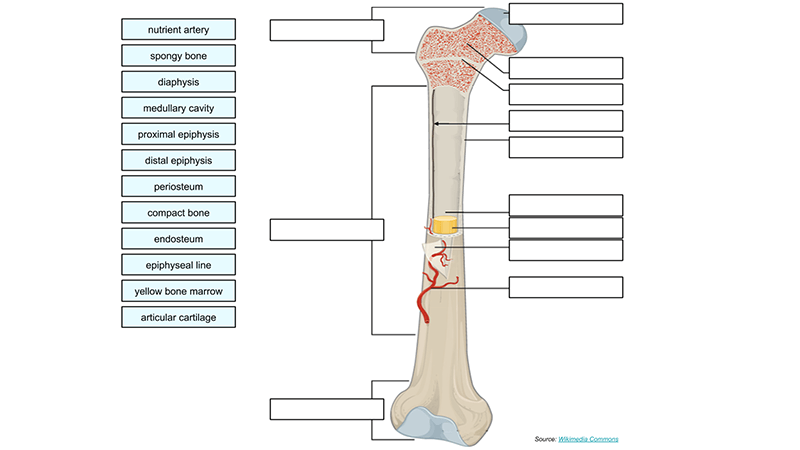
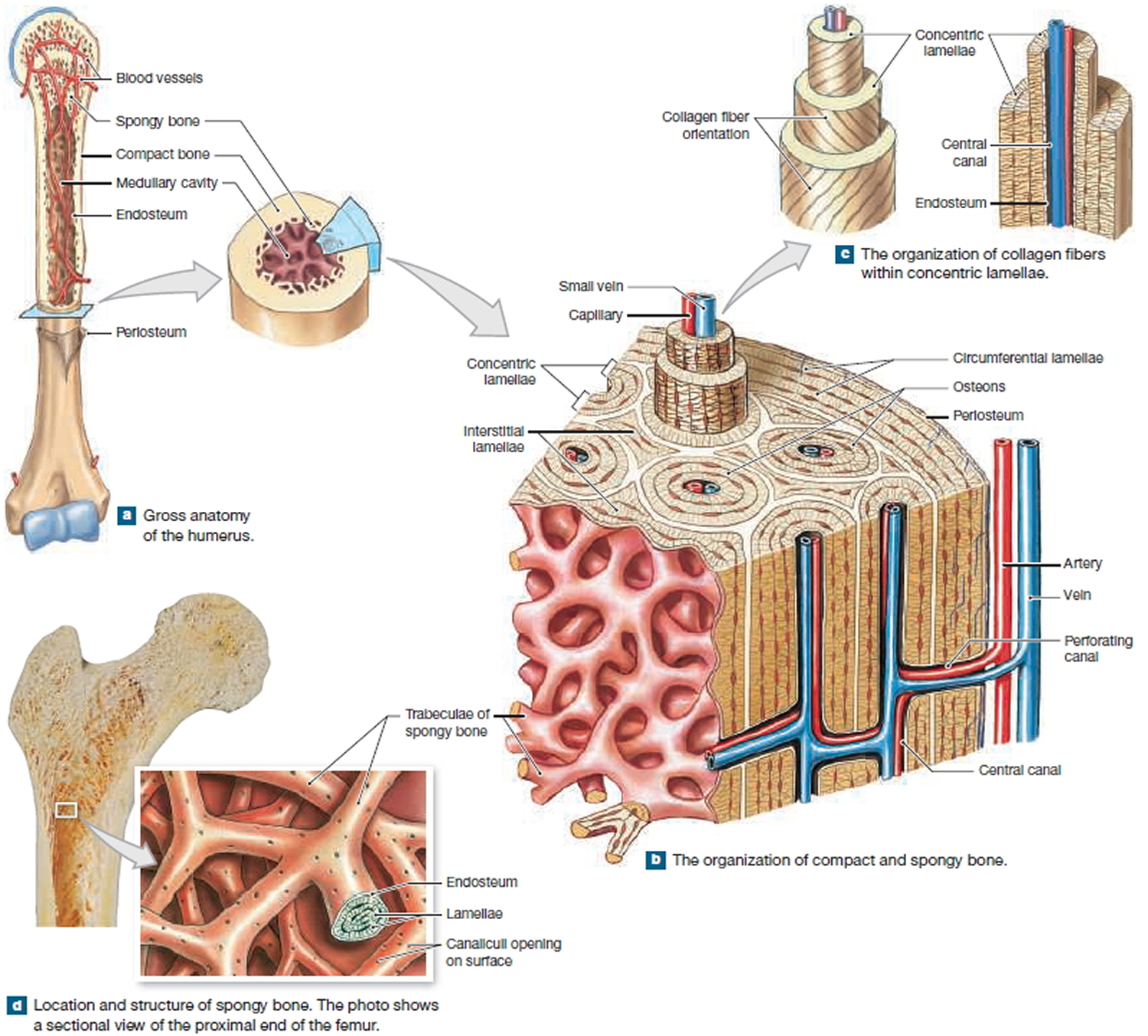
First up, the long bones! Think of your femur (thigh bone) or humerus (upper arm bone). These guys have a few key features:

- Diaphysis: This is the long, cylindrical shaft of the bone. Think of it as the main body of the bone. It’s the long part, you know, the… long part.
- Epiphysis: These are the ends of the long bone. They're usually wider than the diaphysis and are involved in forming joints. Picture the "knobby" bits at the top and bottom.
- Metaphysis: This is the region where the diaphysis and epiphysis meet. It contains the epiphyseal plate (growth plate) in growing bones. This is where all the magic happens when you’re shooting up like a weed! (Or, you know, if you're not growing anymore, where the memory of growth happens. Sniff.)
- Articular Cartilage: This smooth, slippery cartilage covers the epiphysis where it forms a joint. It helps bones glide smoothly against each other. Think of it like the Teflon coating on a frying pan... except for your bones. Don't cook on your bones, please.
Next, let's talk about surfaces and projections. Bones aren't just smooth cylinders; they have all sorts of bumps, ridges, and holes. These are important for muscle attachments, ligament attachments, and blood vessel passage.
- Processes: These are projections or outgrowths on the bone surface. They can be large and prominent (like the spinous process of a vertebra) or small and subtle. Basically, anything that sticks out!
- Fossae: These are shallow depressions or hollows in the bone. They often receive another bone or serve as a site for muscle attachment. Think of them as little bone "caves."
- Foramina: These are holes or openings in the bone that allow blood vessels and nerves to pass through. Tiny bone tunnels! You wouldn't want your nerves getting squished, would you?
- Condyles: Rounded articular projections usually covered in cartilage. These are great for smooth articulation within the joints.
Alright, you're doing great! Now, let's look at some common bone markings, just to spice things up:

- Tuberosity: A large, rounded projection. Think of it as a "bump" for muscle or ligament attachment.
- Crest: A prominent ridge. Feel your hip bone? You're feeling a crest!
- Spine: A sharp, slender, often pointed projection. Like the spine of your scapula (shoulder blade).
- Head: A bony expansion carried on a narrow neck. Like the head of your femur (thigh bone).
And remember, these features can combine and overlap! So, you might have a "tubercle" (small tuberosity) or a "fossa" near a "process." It's all interconnected!
Practice Makes Perfect (And Less Scary!)
The best way to learn all these bone structures is to practice. Grab a skeleton model (or, you know, a really good anatomy textbook), point to different parts, and try to name them. Quiz yourself! Draw diagrams! Make flashcards! (Okay, maybe not flashcards. That sounds a bit tedious.)

And don't get discouraged if you don't remember everything right away. It takes time and repetition. Just keep at it, and you'll be labeling bone structures like a pro in no time!
Important Note: This is a simplified overview. Bone anatomy is complex and detailed. If you're serious about learning bone structures, consult a proper anatomy textbook or take an anatomy course. You'll thank yourself later!
You've Got This!
So, there you have it! A whirlwind tour of bone structure labeling. It might seem overwhelming at first, but with a little effort and a lot of practice, you can become a bone-labeling superstar. Go forth and conquer the skeletal system! And remember, learning is a journey, not a race. Enjoy the ride, embrace the challenge, and maybe even throw in a few bone-related puns along the way. Because why not?