Joining And Assembling Materials Tools And Equipment
Ever felt that satisfying click when two LEGO bricks perfectly connect? Or the pride in hanging a picture frame dead straight? That feeling comes from mastering the art of joining and assembling materials! It might sound technical, but it's a surprisingly fun and empowering skill to develop. From simple DIY projects around the house to crafting unique gifts, understanding how to properly join things opens up a world of creative possibilities.
The purpose of joining and assembling is simple: to create something new, stronger, or more functional by connecting different components. Think of it like building with digital blocks, but with real-world materials like wood, metal, plastic, or even fabric! The benefits are immense. Not only can you save money by repairing things yourself instead of replacing them, but you also gain the satisfaction of crafting something with your own two hands. Plus, you'll develop problem-solving skills as you figure out the best way to join different materials and overcome challenges.
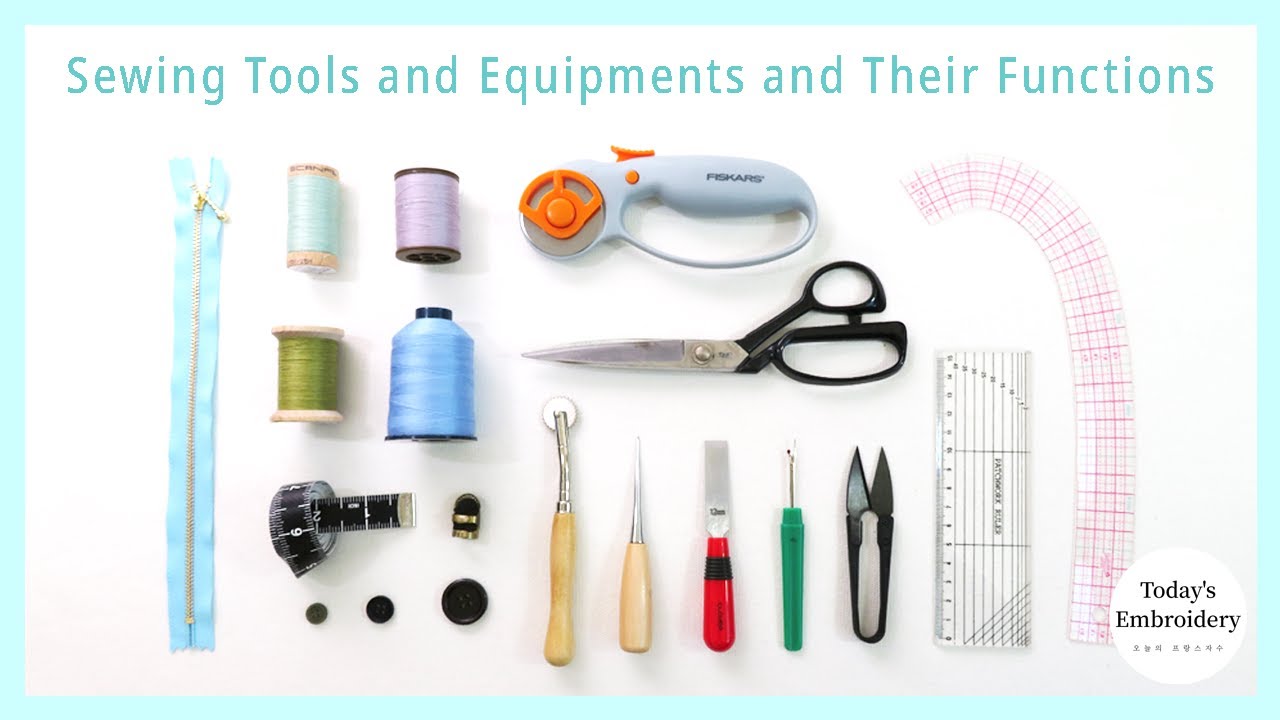
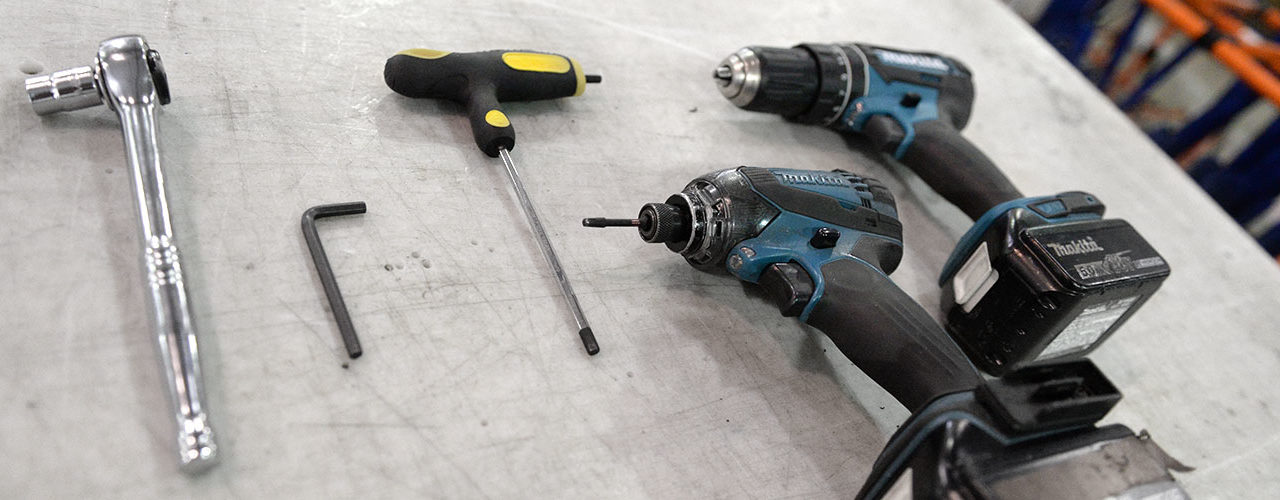
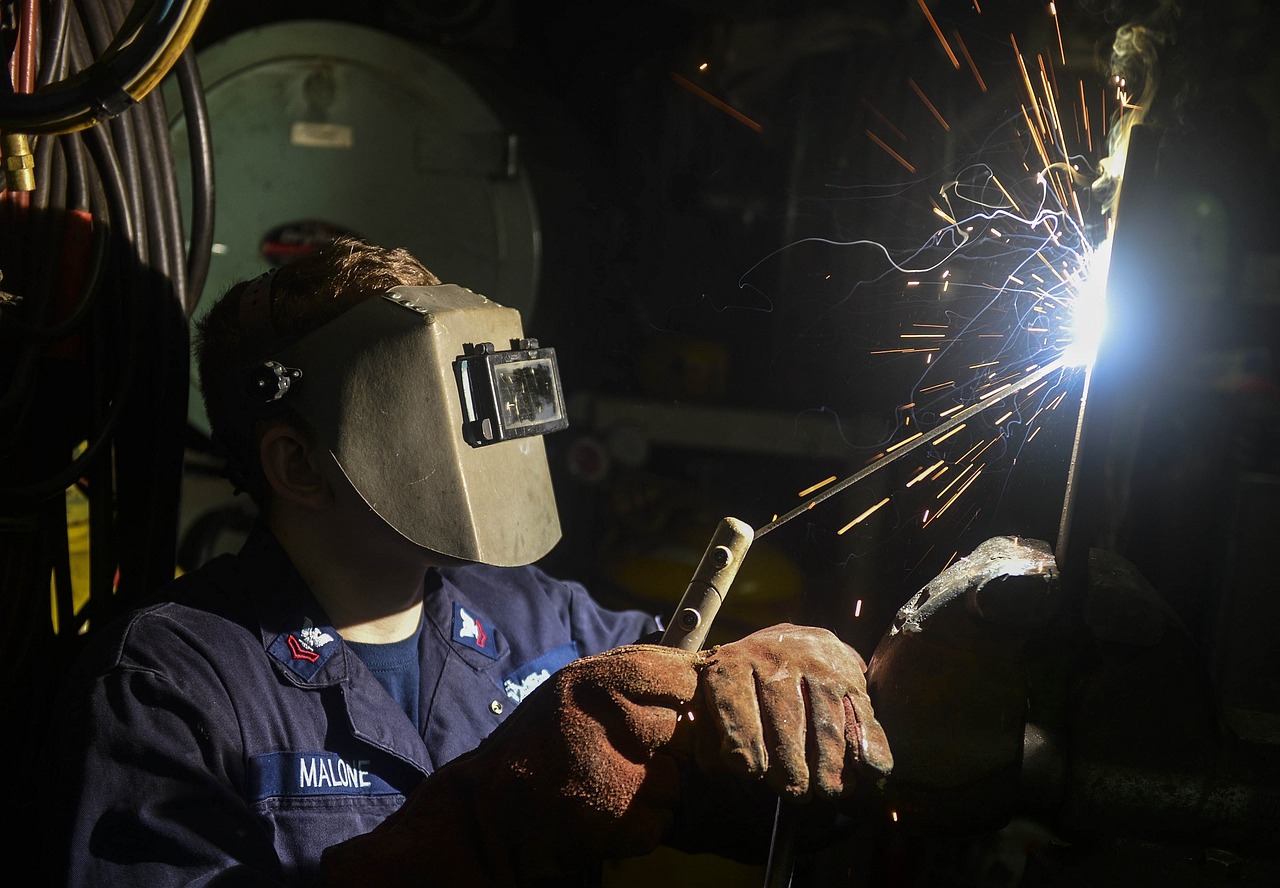
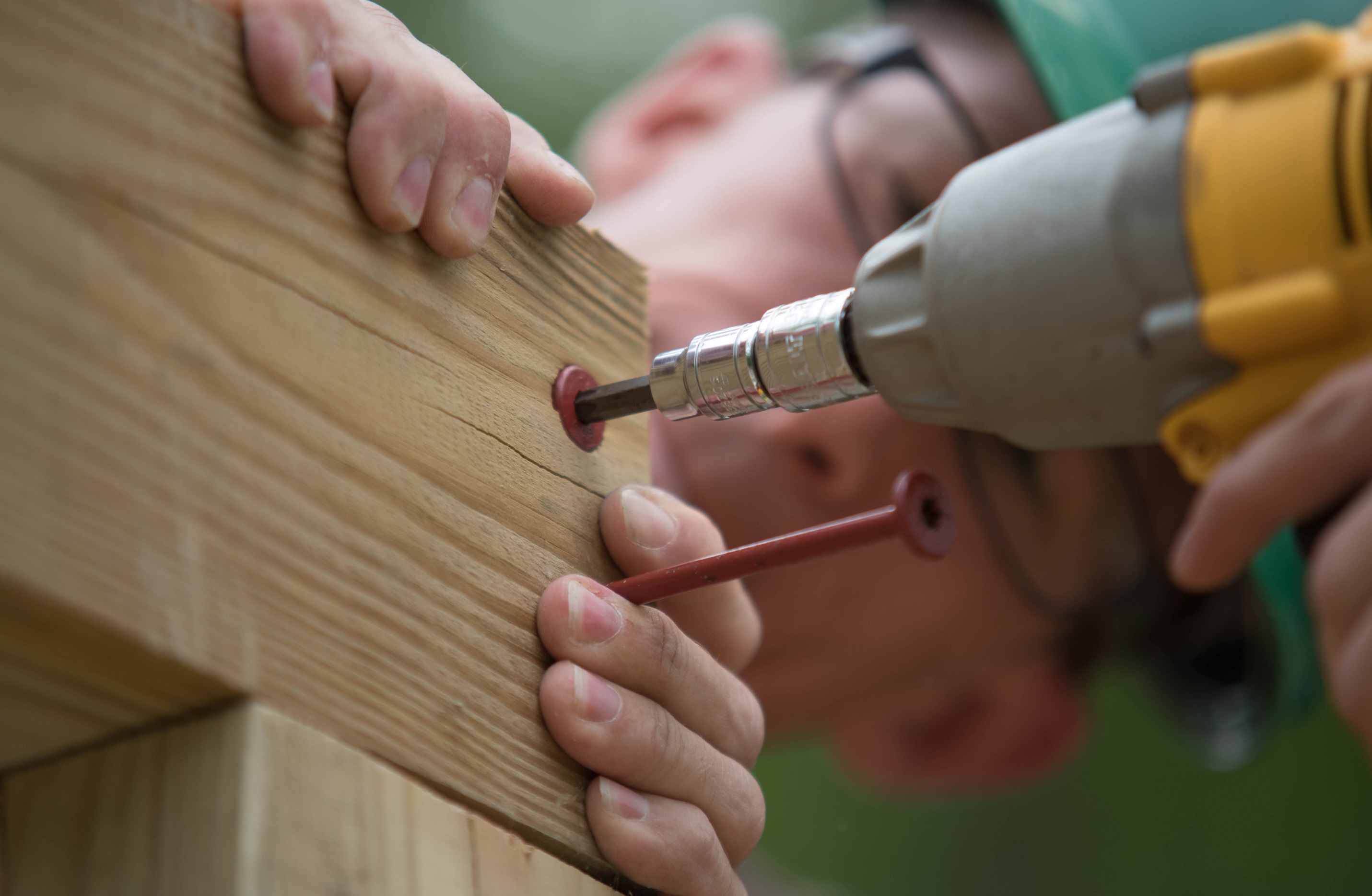
Let's talk about the tools and equipment you might encounter. For basic woodworking, you'll want a saw (hand saw or power saw), a hammer, a screwdriver (Phillips and flathead), and some measuring tools like a ruler and a square. Clamps are your best friend for holding things in place while glue dries or you're driving in screws. For metalworking, you might need a welder (for more advanced projects), a metal file, and pliers. Of course, safety is paramount, so always wear safety glasses and gloves when working with tools.
Must Read
Different materials require different joining techniques. Wood is often joined with nails, screws, glue, or even more intricate techniques like dovetail joints. Metal can be welded, soldered, bolted, or riveted. Plastics often require specialized adhesives. And don't forget about fabric! Sewing, gluing, and even using specialized fasteners like snaps are all ways to join fabric pieces together.
Choosing the right technique depends on several factors: the type of materials you're working with, the strength required for the finished product, and your skill level. Start with simple projects to build your confidence. Try gluing together pieces of wood or assembling a pre-fabricated kit. As you gain experience, you can tackle more challenging projects and explore different joining methods.
The key is to experiment and learn from your mistakes. Don't be afraid to try new things and see what works best for you. There are countless online resources, books, and workshops available to help you improve your skills. Embrace the challenge, enjoy the process, and revel in the satisfaction of creating something with your own hands. Who knows, you might just discover a hidden talent!
So, grab your tools, gather your materials, and get ready to unleash your inner maker. The world of joining and assembling awaits! And remember, even the most complex projects start with a single, perfectly placed join.