Italian Swear Words Vafanapoli

Let's be honest, there's a certain mischievous thrill in learning swear words in another language. It's not about being vulgar, but about understanding a culture's raw, unfiltered expression. We're diving into the vibrant, and sometimes volatile, world of Italian swear words, with a particular (and fictional!) focus on "Vafanapoli." While "Vafanapoli" isn't a real Italian swear word, we'll use it as a stand-in to explore the purpose, benefits, and practicalities of understanding strong language in Italy.
Why bother learning these expressions? Well, for one, it enhances your understanding of the Italian character. Language is a window into the soul of a culture. You can grasp nuances and subtleties that would otherwise be lost. Imagine watching an Italian film where a character shouts "Vafanapoli!" (or a real equivalent). Without understanding the weight of that expression, you'd miss a crucial piece of the emotional landscape. Furthermore, knowing what not to say is just as important as knowing what to say. Avoiding accidental offense is a mark of cultural sensitivity.
The "purpose" of swear words, even our imagined "Vafanapoli," is multifaceted. They can express intense anger, frustration, surprise, or even joy (though that's less common). They can be used to emphasize a point, add humor, or simply vent emotions. Think of it as the verbal equivalent of punctuation, but with a lot more punch. The perceived "benefits" lie in improved comprehension and a deeper connection to the language and culture. It allows you to react appropriately in different situations and to better appreciate the emotional depth of Italian speakers.
Must Read
Now, let's imagine how we might encounter "Vafanapoli" in a learning context. Perhaps it features (lightly!) in a scene from an Italian comedy, used in a context where its meaning is easily inferred. A clever language teacher might use it as an example to illustrate the intensity of Italian emotional expression, emphasizing the importance of understanding the context and avoiding its use in polite company. It could also be part of a discussion about regional variations in language, even if our fictional word is not tied to a specific region.
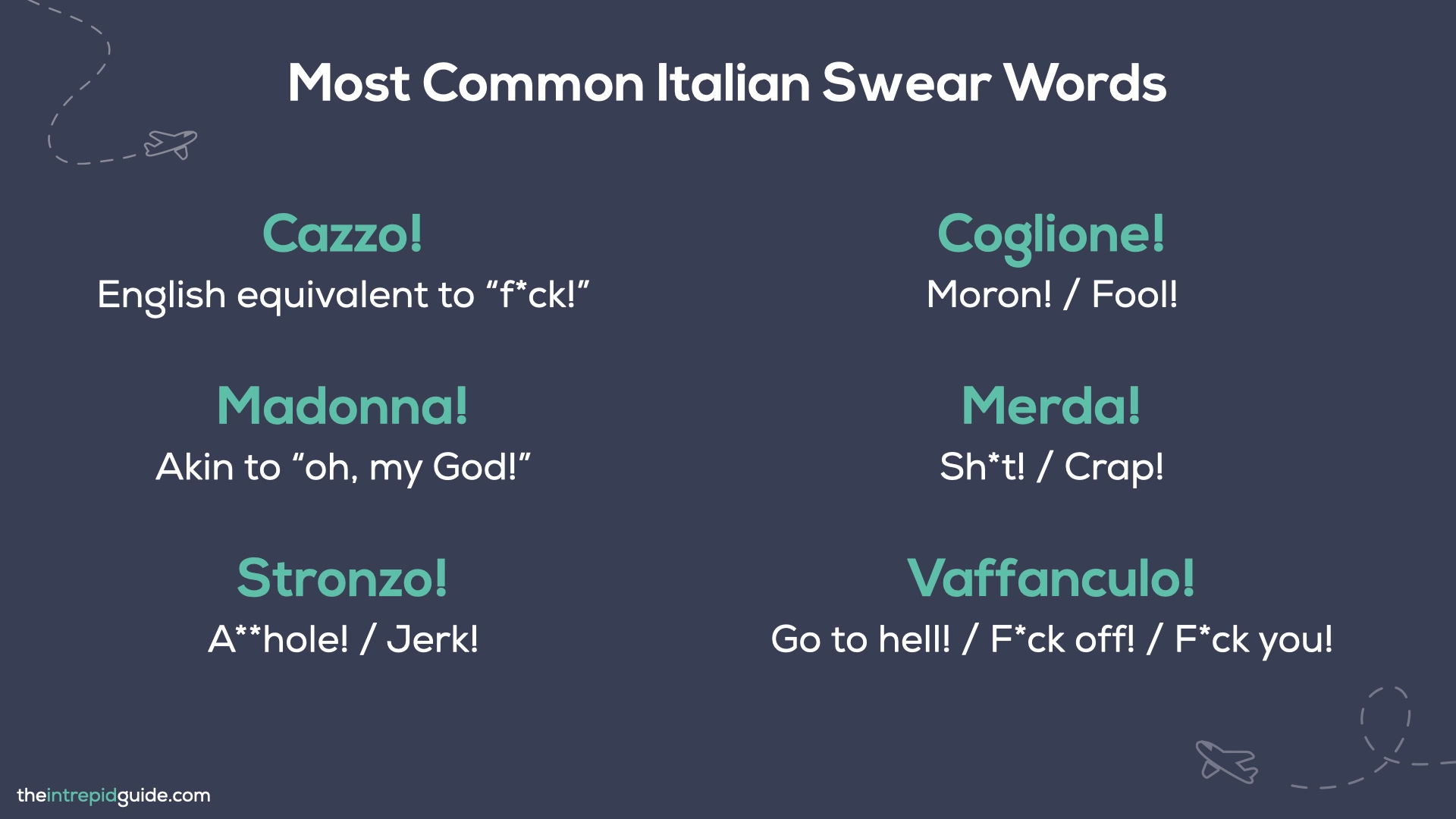
In daily life, understanding, but not necessarily using, even a word like "Vafanapoli" can be incredibly valuable. Imagine overhearing an argument in the street. Knowing the meaning of the strong language allows you to understand the severity of the situation and react accordingly, perhaps by offering help or simply removing yourself from the situation. It provides context and allows you to navigate social interactions with greater awareness.
So, how can you explore this aspect of Italian? First, be cautious and respectful. Don't start throwing around swear words without understanding their implications. A good starting point is watching Italian films and TV shows with subtitles. Pay attention to the situations in which strong language is used and how people react. Online resources and language forums can also provide information, but be sure to vet your sources carefully. A dictionary dedicated to slang and colloquialisms can be useful. Most importantly, ask a native Italian speaker to explain the nuances and appropriate contexts for using such words. Remember, understanding is key, and responsible use is paramount. Don't be afraid to laugh, learn, and explore, but always prioritize respect and cultural sensitivity.