Is Zinc A Metal Or Nonmetal
Have you ever looked at everyday objects and wondered about the very stuff they’re made of? It’s a fun game for the curious mind! Let’s play detective with an element that’s surprisingly central to our lives: Zinc. We use it, we consume it, and it protects things we rely on daily. But here’s a question that often pops up in chemistry class or even during a casual Google search: is Zinc a metal or a nonmetal? Let’s unravel this elemental mystery with a relaxed and curious mindset, discovering why it matters and how it benefits us in fascinating ways.
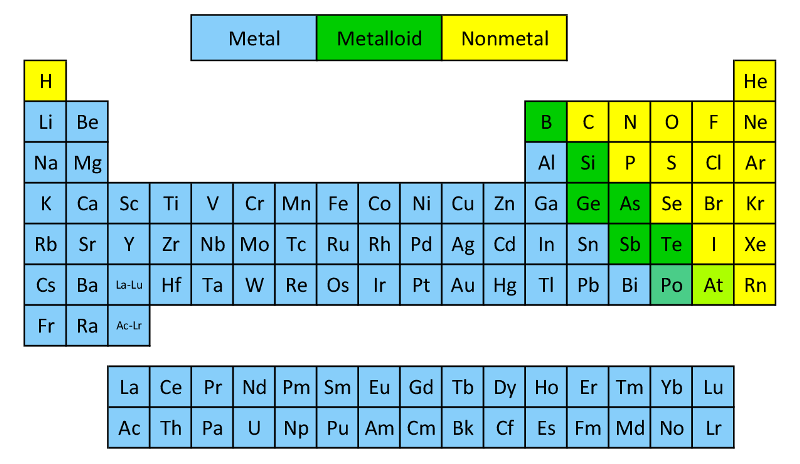
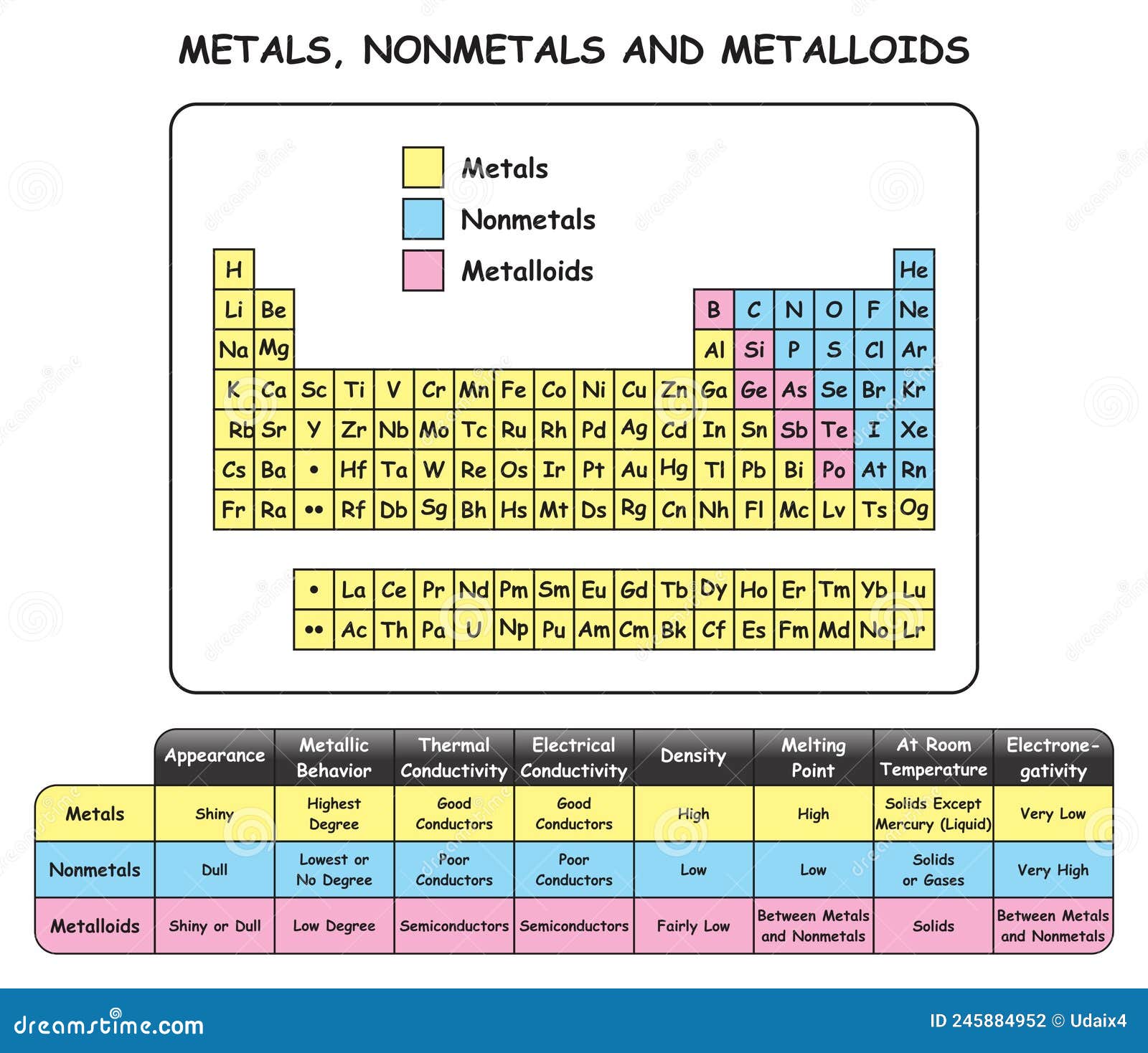
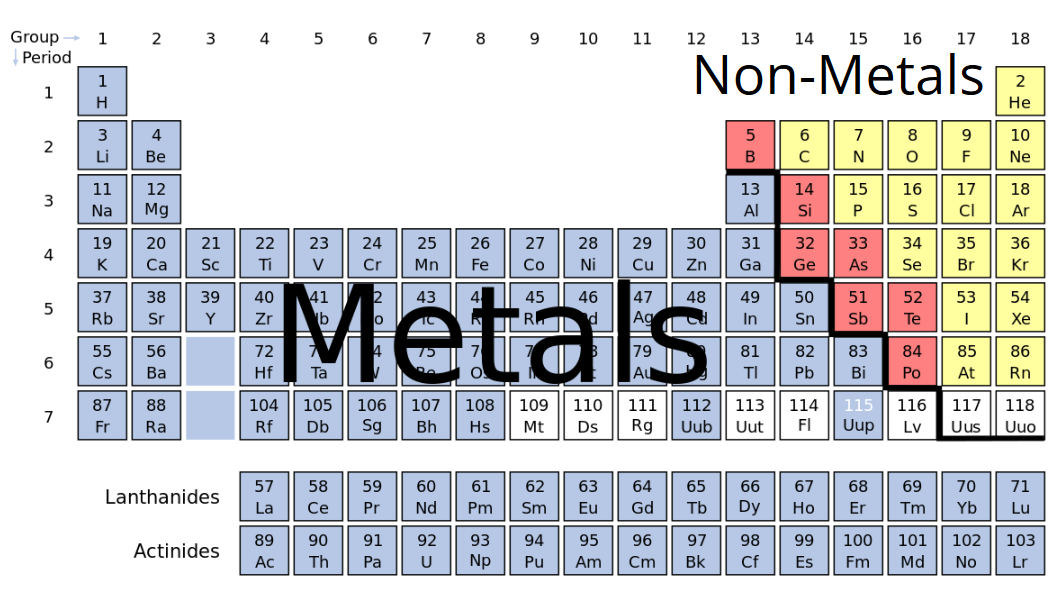
So, let's cut straight to the chase: Zinc is, without a doubt, a metal. If you imagine what a typical metal looks like – shiny, strong, and able to conduct electricity – Zinc fits the bill perfectly. On the periodic table, you’ll find it nestled comfortably among its metallic brethren in the D-block. Unlike nonmetals, which are often brittle and poor conductors, Zinc is known for its malleability (you can hammer it into sheets) and ductility (you can draw it into wires) when heated. It also has that distinct metallic luster, though it can tarnish over time when exposed to air. Understanding these basic properties helps us classify elements.
But Zinc isn't just a fascinating element on a chart; it’s incredibly purposeful. One of its most well-known benefits is its role in corrosion protection. Think about it: steel is strong, but it rusts easily. Coating steel with a thin layer of zinc, a process called galvanizing, creates a powerful shield against rust, significantly extending the life of countless structures and products. Beyond this industrial superpower, Zinc is also an essential trace element for human health. It plays a vital part in our immune system, helps with wound healing, and is crucial for proper growth and development. From protecting bridges to boosting your defenses, Zinc truly delivers.
Must Read
You’d be surprised how often Zinc shows up in your daily life. Head to the medicine cabinet, and you might find zinc lozenges for warding off a cold or sunscreen containing zinc oxide to protect your skin from UV rays. Look around your home: those seemingly ordinary galvanized trash cans, fences, or even some screws contain zinc to keep them from rusting. If you play a brass instrument, you're interacting with an alloy of copper and zinc! In an educational setting, chemistry students might explore zinc's reactivity in experiments, perhaps by observing how it reacts with acids or how it’s used in simple batteries to generate electricity. It’s foundational for understanding electrochemistry and material science.
Want to explore Zinc’s world yourself? It’s wonderfully easy! Next time you’re checking a multivitamin label, see if Zinc is listed as an ingredient – a great reminder of its biological importance. When you’re out and about, keep an eye out for objects that look like they might be galvanized steel, perhaps a light pole or a corrugated roof. You could even do a quick online search for "the periodic table" and locate Zinc (Zn) to see its neighborhood of other fascinating elements. Just being aware of the materials around you and asking "What’s that made of?" is a fantastic first step into the curious world of chemistry. Zinc might seem unassuming, but it’s a brilliant example of how elements shape our lives in countless ways.