Is Young's Modulus The Modulus Of Elasticity

Alright, let's talk about something that sounds super intimidating: Young's Modulus. But trust me, it's not as scary as it sounds. Think of it like this: it’s basically how much your grumpy old couch sags when you sit on it. Yeah, that's right, we're bringing physics to the living room!
So, What IS This "Modulus" Thing?
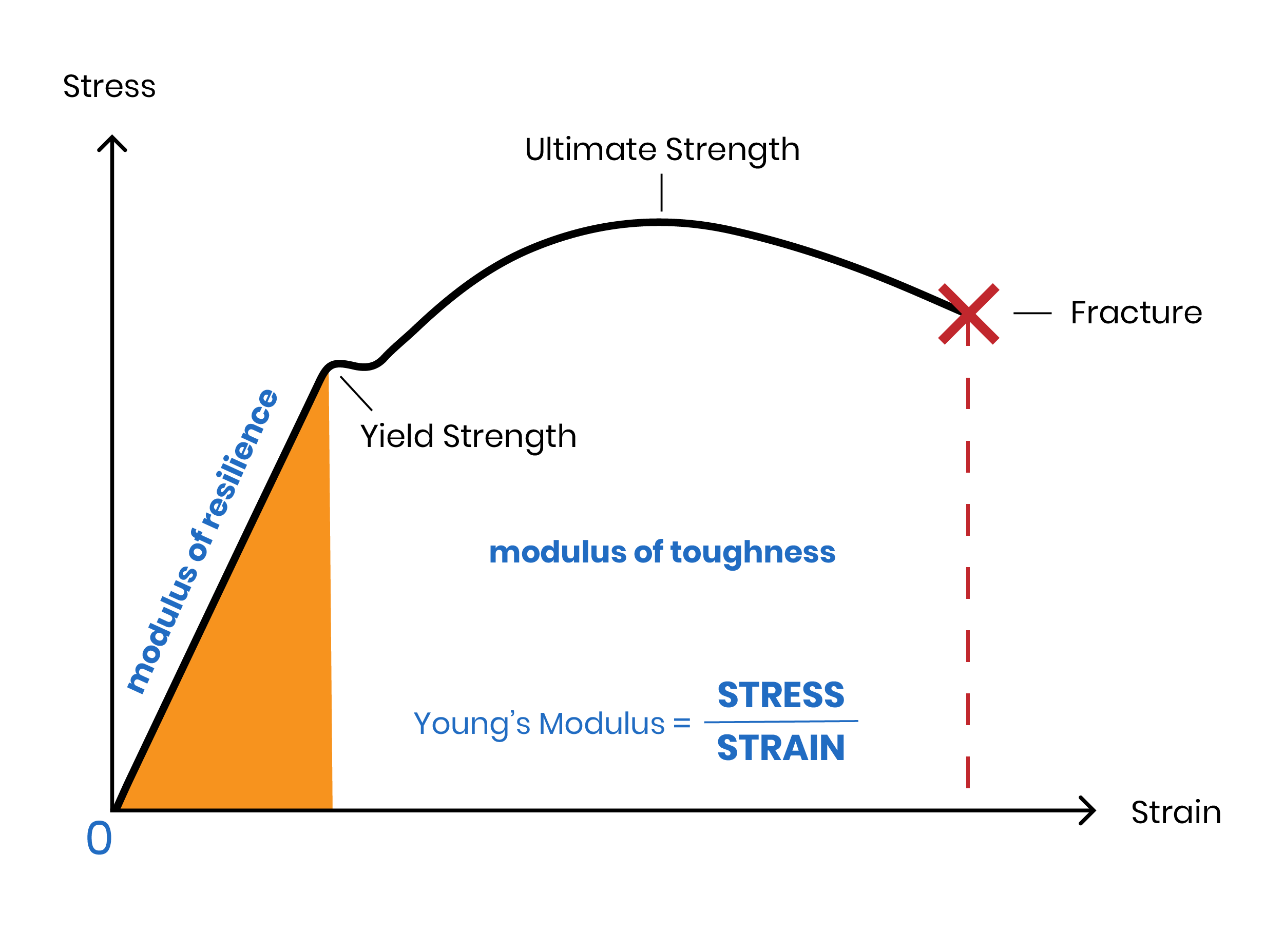
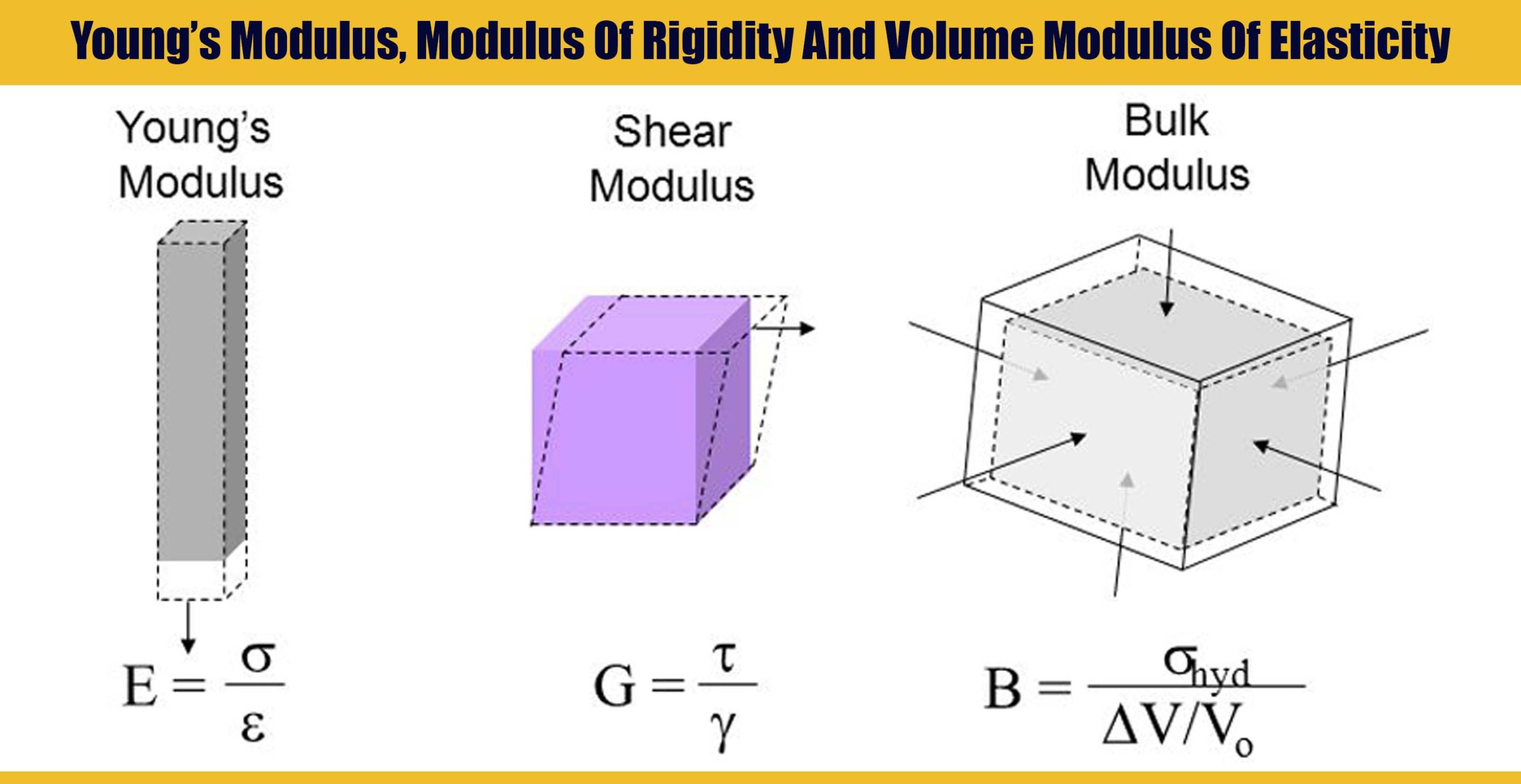
Okay, officially, Young's Modulus is a type of modulus of elasticity. Think of “modulus of elasticity” as the umbrella term for how stiff or bendy a material is. Young's Modulus, the shear modulus, and the bulk modulus are all different flavors of that umbrella. Each describes how a material responds to a specific type of stress.
Imagine you have a stress ball. Squeezing it is applying stress. The ball deforming is the strain. The modulus of elasticity is the ratio of stress to strain – how much stress does it take to get a certain amount of squish?
Must Read
Think of it like this: your tolerance for bad puns. The “stress” is the bad pun being told. Your “strain” is your eye-rolling response. Your “modulus of elasticity” is basically how many terrible jokes it takes before you snap! If you're super chill, you have a low "pun modulus." If you groan after the first one, your pun modulus is high.
Young's Modulus: The Stretching Superstar
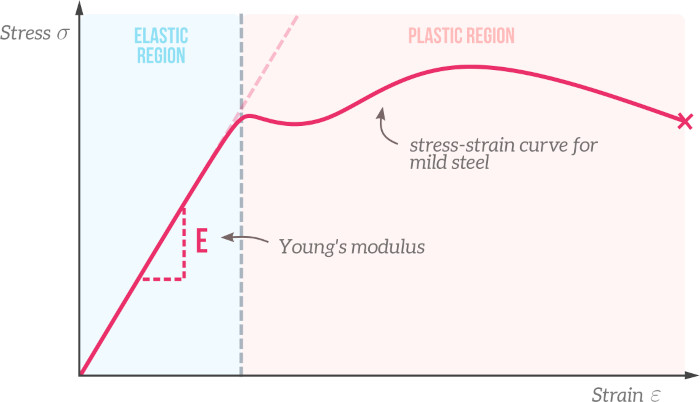
Young's Modulus, specifically, is all about stretching or compressing something. It measures a material's resistance to being deformed along one axis. Think of pulling on a rubber band. How much force does it take to stretch it a certain amount? That’s Young's Modulus at work!
Let's say you have two rubber bands. One is brand new, the other's been lying around for ages, stretched out and sad. The new one takes more effort to stretch – it has a higher Young's Modulus. The old one... well, it's pretty much given up on life and stretches with minimal effort. Lower Young's Modulus for the win... or maybe the loss, depending on what you want to do with it!
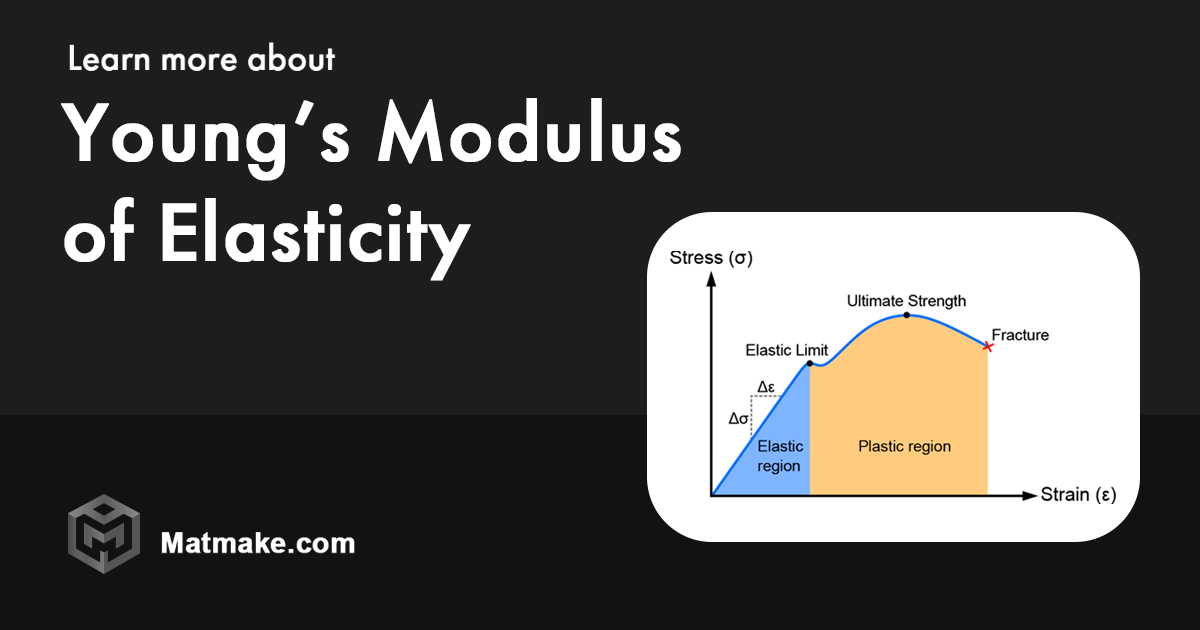
Important Note: Young’s modulus only applies to materials that behave elastically. That means they return to their original shape after the stress is removed. Play-Doh, for example, has a very low Young's Modulus (and questionable elasticity, let’s be honest). You squish it, and it stays squished. No springiness there!
Shear Modulus and Bulk Modulus: The Other Players
So, where do shear and bulk modulus fit in? Shear modulus deals with twisting or shearing forces. Imagine trying to push a book sideways – it deforms at an angle. Bulk modulus deals with pressure from all directions, like squeezing something underwater. It tells you how resistant a material is to compression.
They're all part of the "modulus of elasticity" family, just dealing with different types of squishing and bending.
Why Should I Care About Any Of This?
Good question! Well, understanding Young's Modulus (and its modulus-of-elasticity brethren) is crucial in engineering and construction. It helps engineers choose the right materials for bridges, buildings, airplane wings, and even your phone case! You wouldn't want a bridge made of Play-Doh, would you? (Okay, maybe for a really weird art project, but definitely not for transportation.)
It's also important in material science, allowing scientists to understand the properties of different materials and develop new ones. Maybe one day, they'll invent a material with a super-high Young's Modulus, meaning we can build even stronger, more durable structures. Or maybe they'll just make a better stress ball. Who knows!
In conclusion: Young's Modulus is a modulus of elasticity, but it’s just one piece of the puzzle. It specifically tells us how much a material stretches or compresses under tension. It's like the stretching expert in the world of material stiffness. Next time you see a skyscraper, remember that Young's Modulus played a role in making sure it doesn't sag like your grumpy old couch. And maybe, just maybe, that grumpy couch is due for an upgrade!