
Is Tungsten A Metal Or Nonmetal
Alright, let's talk about Tungsten. You know, that element you probably only think about when a light bulb goes out. But what if I told you we've all been wrong about it? What if Tungsten is secretly having an identity crisis?
Everyone calls it a
Doesn't Tungsten just feel like a nonmetal? Like it's trying really, really hard to pretend it belongs, but its heart just isn't in it? Let's explore this outlandish idea together.
Must Read
The Case for Tungsten Being a 'Meh-tal'
When you think of a metal, what comes to mind? Probably something shiny, right? Something you can bend a little, or maybe something that clangs when you drop it. Like a knight's armor or a sleek car.
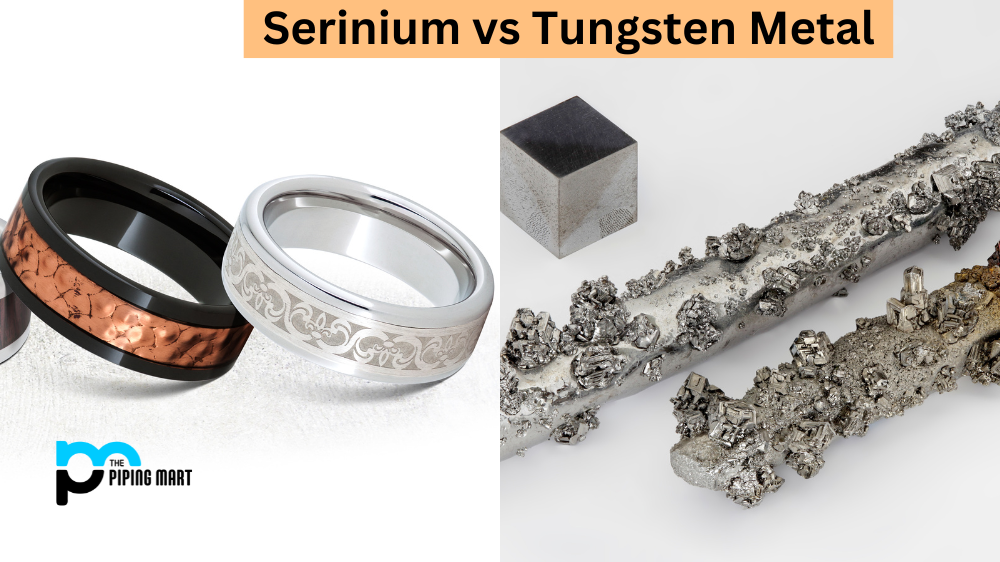
Then there's Tungsten. It's often gray. It's dense. It's incredibly, unbelievably hard. It doesn't exactly scream "party animal" of the element world, does it?
It’s like that one friend who shows up to the dance party in sensible shoes. They’re technically there, but they’re definitely not busting out any moves.
It Doesn't Want to Melt. Ever.
Consider Tungsten's melting point. It’s absolutely bonkers high. We're talking thousands of degrees Celsius. It practically laughs in the face of heat.
Most metals, like iron or gold, they get gooey and melt down if you get them hot enough. They’re cooperative. They’re willing to transform.
But Tungsten? It just sits there, stubbornly refusing to join the molten fun.
"It's the element that just says 'no' to liquefying. Such an introvert!"
Doesn't that sound less like a versatile, shapeshifting metal and more like a stoic, unyielding rock? A very fancy rock, sure, but a rock nonetheless.
Hardness: The Unfriendly Giant
Then there's the hardness factor. Tungsten is incredibly, notoriously hard. It’s tough. You can't just dent it with your thumbnail.
Other metals can be malleable, ductile – fancy words meaning you can hammer them into sheets or pull them into wires. They're flexible and adaptable.
But Tungsten? It's stiff. It's unyielding. It's like that one friend who always insists on going to their favorite restaurant, no matter what.
It doesn't play well with others in the flexibility department. This rigidity feels more like the characteristic of something that would rather stand alone than bend to conformity.
The Light Bulb Filament Vibe
Where do we mostly see Tungsten? In old-school incandescent light bulbs, as a tiny, coiled filament. It glows bright, but it's incredibly thin.
Does that fragile-looking, almost hair-like strand remind you of a robust, heavy metal beam? Or does it look more like a delicate, precision-engineered nonmetal component?
It’s not shining in grand metallic sheets. It's a tiny, glowing thread. It almost feels like it’s impersonating light itself, rather than acting like a sturdy building block.
This delicate, almost ephemeral image in our minds just doesn't quite gel with the typical muscular image of a metal. It’s more ethereal, isn’t it?
Why It Doesn't 'Feel' Like a Metal
Let's be honest, when you hear "metal," you think of things you can touch every day. Cars, coins, jewelry, maybe even your cutlery.
You don't often encounter a big chunk of Tungsten just lying around. It feels elusive, almost mythical. Like a secret agent of the elements.
It lacks that everyday familiarity that most metals possess. It’s not quite as down-to-earth as aluminum or as glamorous as gold.

It's more like a specialist, a niche material used for extreme conditions. This exclusivity makes it feel less like a common metal and more like a rare, precious nonmetal.
The 'Dense' Personality
And it's super dense. Pick up a piece of Tungsten and you'd be surprised by its weight. It's heavy for its size.
This density, combined with its hardness and high melting point, makes it feel... ponderous. Like a deep thinker who takes a long time to make a decision.
It doesn't have the light, energetic bounce of a hydrogen atom, nor the zippy conductivity of copper. It’s grounded, almost literally.
"Tungsten is the wise, old soul of the periodic table, probably too busy pondering the universe to bother with typical metal antics."
Doesn’t that sound a bit less like a bustling, energetic metal and more like a composed, heavy nonmetal? One that values stability over flashiness.
Embracing the Nonmetal Vibe
So, while the scientists and their periodic tables might label Tungsten as a metal, I invite you to consider its true spirit.
It's hard. It's stubborn about melting. It's often found in delicate, glowing threads. It feels rare and a little bit aloof.
Doesn't that paint a picture of something that, in its heart of hearts, might just prefer to be known as an honorary nonmetal? Or at least a metal with some serious nonmetal tendencies?
It’s like that one person who loves quiet nights in with a book, but always gets dragged to loud parties by their metal friends. They’re there, but they’d rather be elsewhere.
Next time you see a Tungsten filament glow, give it a little nod. Acknowledge its quiet strength, its unique character.
Perhaps it’s not about rigid classifications. Perhaps it’s about how an element truly feels to us. And to me, Tungsten has always had a wonderfully nonmetal soul, cleverly disguised in metallic clothing.
It’s a thought, isn’t it? Maybe science needs a "vibe check" for elements. And Tungsten, my friends, is definitely giving off strong nonmetal vibes.