
Is Titanium A Non Ferrous Metal

Hey there, metal mystery solver! Grab a comfy seat and maybe a nice, refreshing (non-metallic?) beverage, because we're about to dive into a question that's probably been keeping you up at night... or, you know, just popped into your head while scrolling. Is titanium a non-ferrous metal? Let's unravel this shiny riddle together!
You might be picturing fancy rockets, high-tech golf clubs, or even snazzy jewelry when you think of titanium. And you'd be right! But before we get to the star of our show, let's do a quick, super-speedy crash course on what "ferrous" even means. Don't worry, there won't be a pop quiz!
Cracking the Case: Ferrous vs. Non-Ferrous
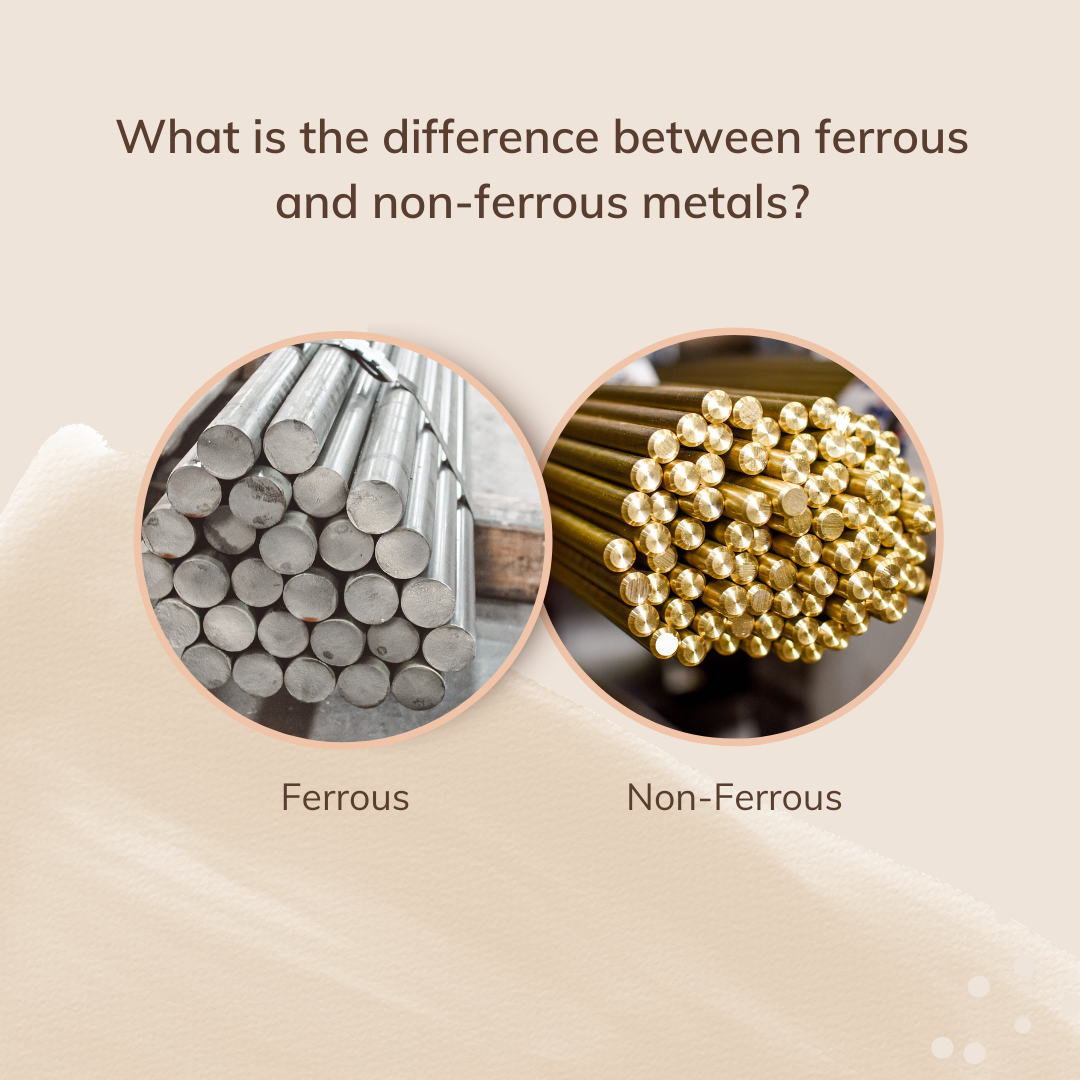
Alright, so imagine metals as a big, happy family. Some members of this family are super into iron. Like, really into iron. If a metal has a significant amount of iron in it, we call it ferrous. Think steel, cast iron, wrought iron – these guys are the iron enthusiasts.
Must Read
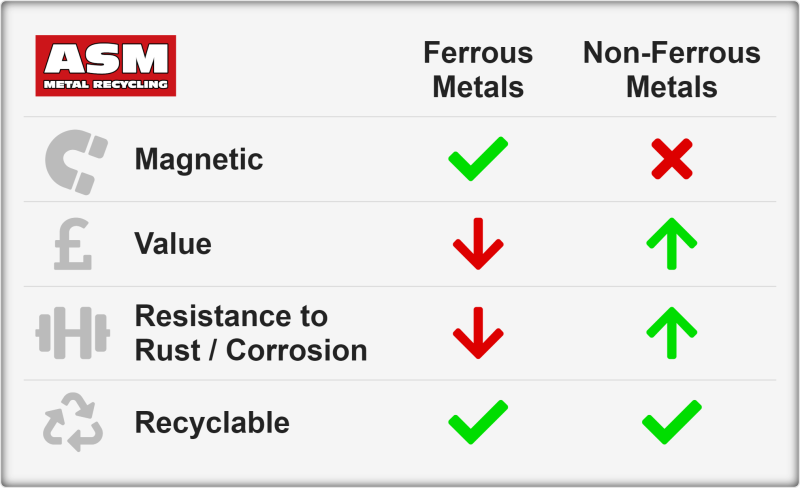
What's the big deal about iron? Well, ferrous metals typically have a few tell-tale signs: they're usually magnetic (hello, fridge magnets!), they're often quite strong, and they're notoriously prone to rust. You know, that reddish-brown flaky stuff that appears after your bike gets rained on? That's iron doing its thing.
Now, on the other side of the family are the cool, laid-back members who are like, "Iron? Nah, we're good." These are the non-ferrous metals. They either contain no iron at all, or only trace amounts that aren't enough to define their primary characteristics. We're talking copper, aluminum, brass, bronze, lead, zinc, and silver, to name a few. They often have different superpowers – some are super lightweight, others conduct electricity like a boss, and many resist corrosion like a champ. They're often not magnetic and generally don't rust in the same way iron does.

The Titanium Truth Revealed!
Alright, drumroll please! You've been patient. You've learned the lingo. Now for the big reveal about our favorite futuristic metal:
And the answer is a resounding YES!
Titanium is absolutely a non-ferrous metal. Phew, mystery solved! You can now impress all your friends at your next trivia night (or just feel generally smug with your newfound knowledge, which is equally valid).
Why is titanium in the non-ferrous club, you ask? Simple! It's because titanium is an element all on its own. It's a pure metal (though often used in alloys with other elements like aluminum and vanadium, but still without iron being its primary component). It doesn't rely on iron for its strength or structure. It's got its own thing going on!

This is actually a huge part of why titanium is so incredibly special and sought after. Remember those characteristics of ferrous metals? Magnetic and rusty? Well, titanium typically isn't magnetic (though some titanium alloys can show very slight paramagnetic properties, it's not truly ferromagnetic like iron). And crucially, it's famous for its incredible corrosion resistance. It basically laughs in the face of rust, which is pretty awesome.
Titanium's Superpowers in Action
So, because titanium is non-ferrous, combined with its other amazing properties (like being super strong yet incredibly light – it's often called the "space age metal" for a reason!), it gets invited to all the best parties.
- Aerospace: Think jet engines and spacecraft. You need something light, strong, and rust-proof when you're soaring through the skies or outer space.
- Medical Implants: Because it's biocompatible (meaning your body plays nice with it) and doesn't corrode, it's perfect for things like joint replacements and dental implants. Pretty cool, huh?
- Sports Equipment: Golf clubs, bike frames, tennis rackets – all get a boost from titanium's strength-to-weight ratio.
- Jewelry & Watches: Its natural resistance to tarnish and its cool, sleek look make it a favorite for stylish accessories. Plus, it's often hypoallergenic!
- Marine Applications: Saltwater is the ultimate rust-monster, but titanium shrugs it off, making it ideal for submarines and ship components.
See? Being non-ferrous isn't just a technical classification; it's a ticket to some truly incredible applications that make our lives better, faster, and sometimes, just plain cooler.
Mission Accomplished!
So, the next time someone asks about titanium, you can confidently declare that it's a proud member of the non-ferrous metal club. It's a truly remarkable element, standing tall (and light!) on its own, without needing iron to define its worth.
Thanks for joining me on this little metallic adventure! Keep being curious, keep asking questions, and remember that even the smallest details about the world around us can be surprisingly fascinating. Go forth and share your titanium wisdom!