
Is The Customer Always Right Interview Question

Ah, the age-old question. The one that makes retail workers shudder. The one that separates reasonable humans from… well, you know. Is the customer always right?
During job interviews, they love to ask this. Interviewers, bless their hearts, want to see how you handle conflict. They want to know if you'll bend over backward for demanding people. But let's be honest, sometimes the customer is just plain… wrong.
I know, I know. Blasphemy! But hear me out. We've all been there. We've all witnessed the meltdown over the slightly-too-warm latte. Or the unreasonable demand for a refund on something they clearly broke themselves.
Must Read
The "Customer is King" Myth
This phrase, "The customer is always right," it's practically ingrained in our brains. We've heard it our whole lives. Businesses use it. Employees are trained to live by it. But where did it even come from? Apparently, some retail pioneers cooked it up long ago. Trying to boost business, maybe? Or just trying to avoid arguments with the perpetually unhappy?
But let's think about it. If the customer is always right, does that mean they can be rude? Entitled? Downright nasty? I'm pretty sure basic human decency trumps "customer service" any day.

My Unpopular Opinion (Brace Yourselves)
Okay, deep breath. Here it comes. I don't think the customer is always right. There. I said it. Feel free to throw tomatoes. But I stand by it. The customer is important. Their satisfaction matters. But they are not always right.
Sometimes, the customer needs a gentle nudge back to reality. Sometimes, they need to be told "no." (Politely, of course! We're not animals!) And sometimes, they need to realize that screaming at a teenager making minimum wage isn't going to solve their problem.

“The customer is not always right… but they are always the customer.” - Someone wise, probably.
The Interview Answer That Might Actually Work
So, how do you navigate this minefield in an interview? You can't just say, "Nah, they're usually wrong." That won't go down well. You need to be diplomatic. You need to show empathy. You need to demonstrate conflict resolution skills.
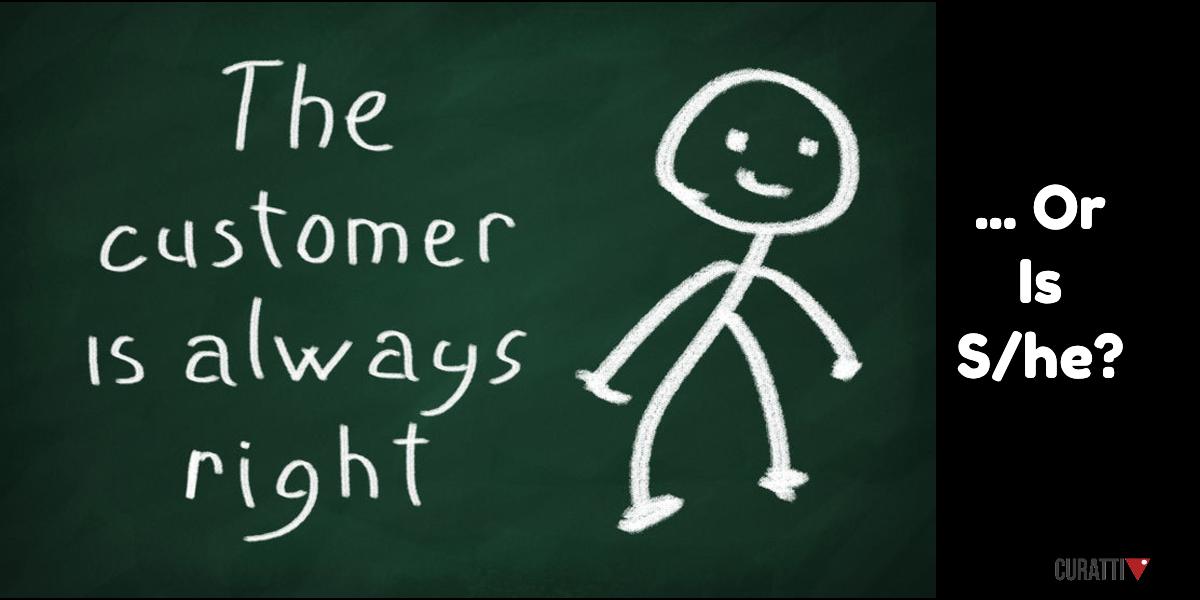
Try something like this: "I believe in striving to provide excellent customer service and meeting their needs whenever possible. However, I also believe in upholding company policies and treating everyone with respect. If a situation arose where a customer was being unreasonable or behaving inappropriately, I would try to understand their perspective, calmly explain the situation, and offer a reasonable solution within the boundaries of what I'm allowed to do. If I couldn't resolve it myself, I would escalate it to a manager."
See? Diplomatic! You're not agreeing that they're always right, but you're showing that you value their experience and are willing to help.
Finding the Balance

Ultimately, it's about balance. It's about finding that sweet spot between customer satisfaction and employee well-being. Because guess what? Happy employees provide better customer service. And constantly bending over backward for unreasonable demands leads to burnt-out, resentful employees. No one wins in that situation.
So, next time you're asked that dreaded interview question, remember: The customer is important. But they're not always right. And that's okay. Just don't tell your boss I said that.
Maybe a better motto would be "The Customer Should Be Respected." That sounds fairer, doesn't it?