Is Silicone A Type Of Plastic
From the silky-smooth feel of your favourite baking spatulas to the intricate molds used to craft stunning resin art, silicone has seamlessly woven itself into the fabric of our daily lives and creative pursuits. It’s everywhere, doing everything from sealing our windows to protecting our phones, and often, we just accept its wonderful properties without a second thought. But have you ever paused to wonder about this incredibly versatile material? Specifically, is silicone a type of plastic? Let’s unwrap this intriguing question!
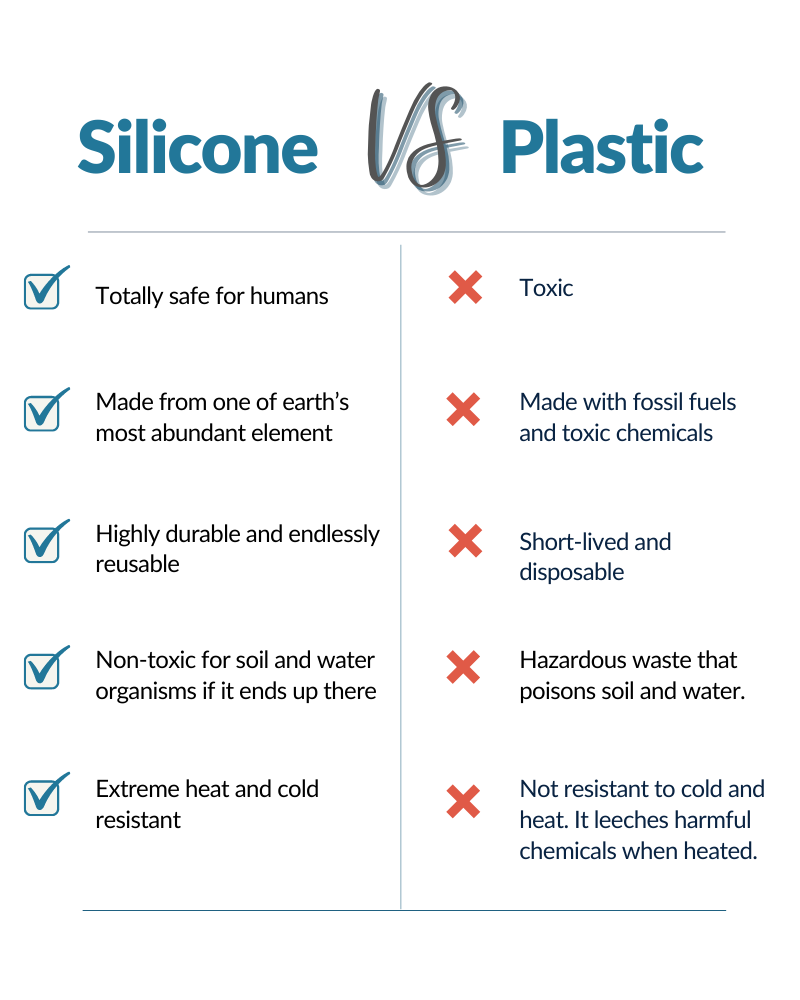
The short answer is: not exactly. While both silicone and plastic are polymers – meaning they're made of long, repeating chains of molecules – they come from fundamentally different chemical families. Plastics are typically organic polymers, built around a carbon-based backbone. Think of polyethylene, polypropylene, or PET bottles. Silicone, on the other hand, is an inorganic polymer. Its unique backbone is made of alternating silicon and oxygen atoms, often combined with organic groups like methyl or phenyl. This gives silicone a suite of properties that plastics just can't match, making it a true star in the creative world.
For artists, hobbyists, and casual learners alike, silicone's distinct advantages open up a universe of possibilities. Its incredible flexibility means you can unmold delicate creations with ease, without damaging them. It's also remarkably heat-resistant, making it perfect for high-temperature applications like baking or even casting materials that generate heat during curing, like some resins. Perhaps its most beloved quality is its natural non-stick surface, which practically guarantees effortless release every time. Plus, silicone is durable, reusable countless times, and can capture the most minute details from an original object, leading to breathtakingly accurate reproductions.
Must Read
Consider the dazzling array of projects silicone makes possible! In the world of resin art, silicone molds are indispensable for creating everything from shimmering coasters and keychains to intricate jewelry and decorative trays. Concrete crafters use them for unique planters and home decor items. Soap makers and candle makers adore silicone for its ability to produce beautifully detailed products with crisp edges. Even in the culinary arts, food-grade silicone molds are revolutionizing home baking, allowing for elaborate cake decorations, chocolates, and ice cubes in fun, intricate shapes. The possibilities are truly as boundless as your imagination.
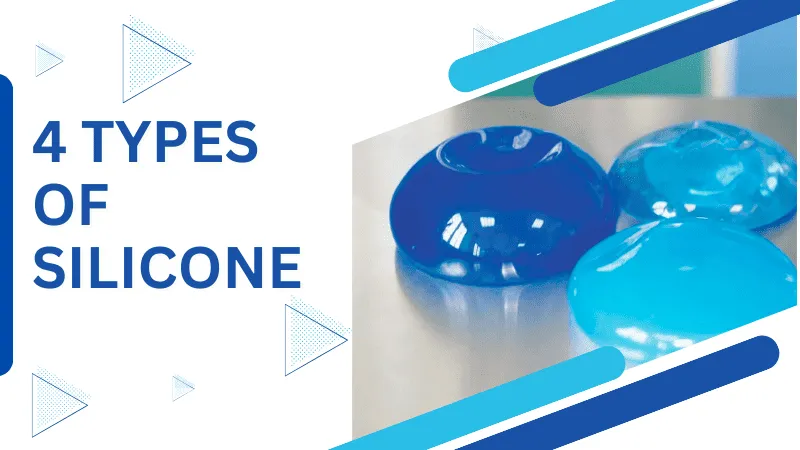
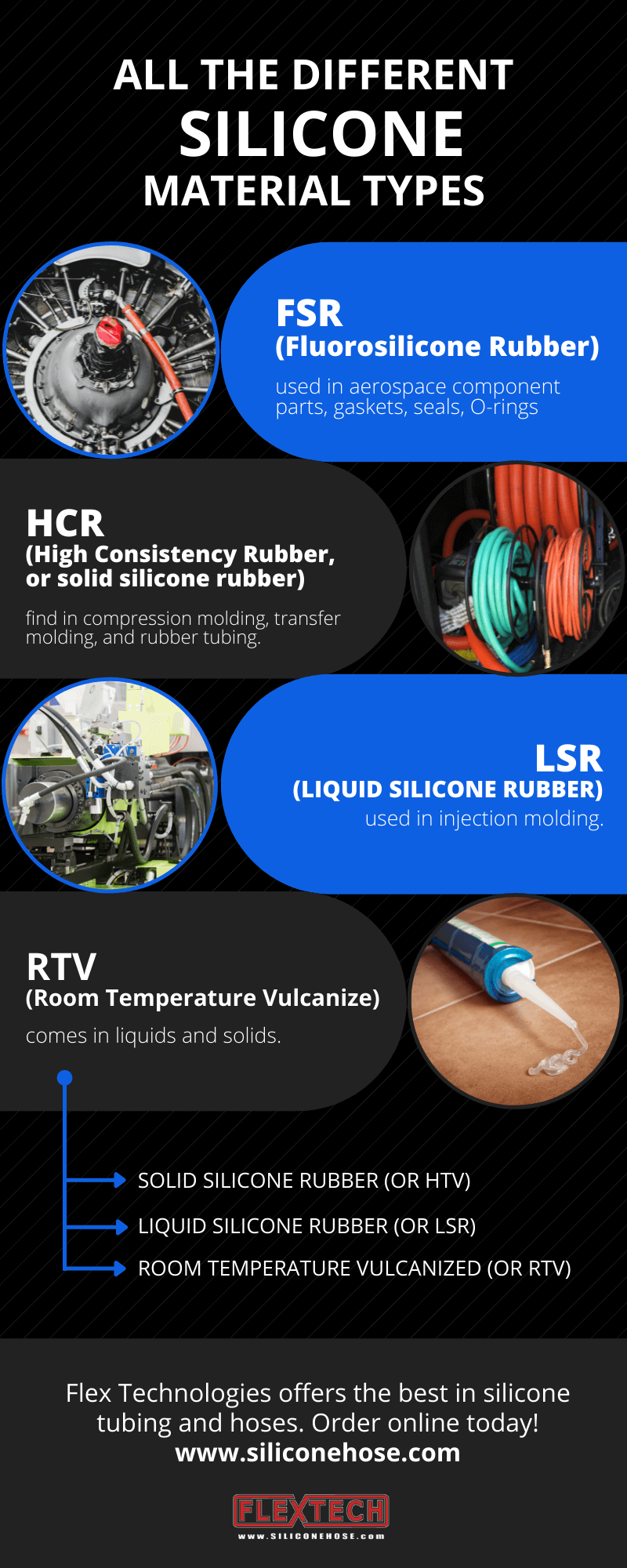
Ready to try it at home? Getting started with silicone is surprisingly easy. You can begin by purchasing ready-made silicone molds for your chosen craft, whether it's resin, soap, or even making fun ice cubes. If you're feeling more adventurous, explore two-part liquid silicone rubber kits. These allow you to create your own custom molds from any object you wish to replicate. Simply mix the two components, pour it over your master object, let it cure, and voilà – you have a perfect, reusable mold! Remember to read the instructions carefully for cure times and safety precautions, though silicone is generally very safe and user-friendly.
Ultimately, whether you're appreciating its practical applications or harnessing its unique properties for artistic expression, working with silicone is genuinely enjoyable. There's immense satisfaction in seeing a perfectly cast item emerge from a mold, knowing that this amazing material, with its fascinating silicon-oxygen backbone, has faithfully replicated every detail. It's a reminder that sometimes, the most innovative tools are those that challenge our assumptions about what's "plastic" and what's possible!